An Instant-Settlement Rail Connects Algeria to the Continent
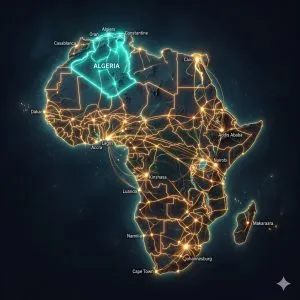
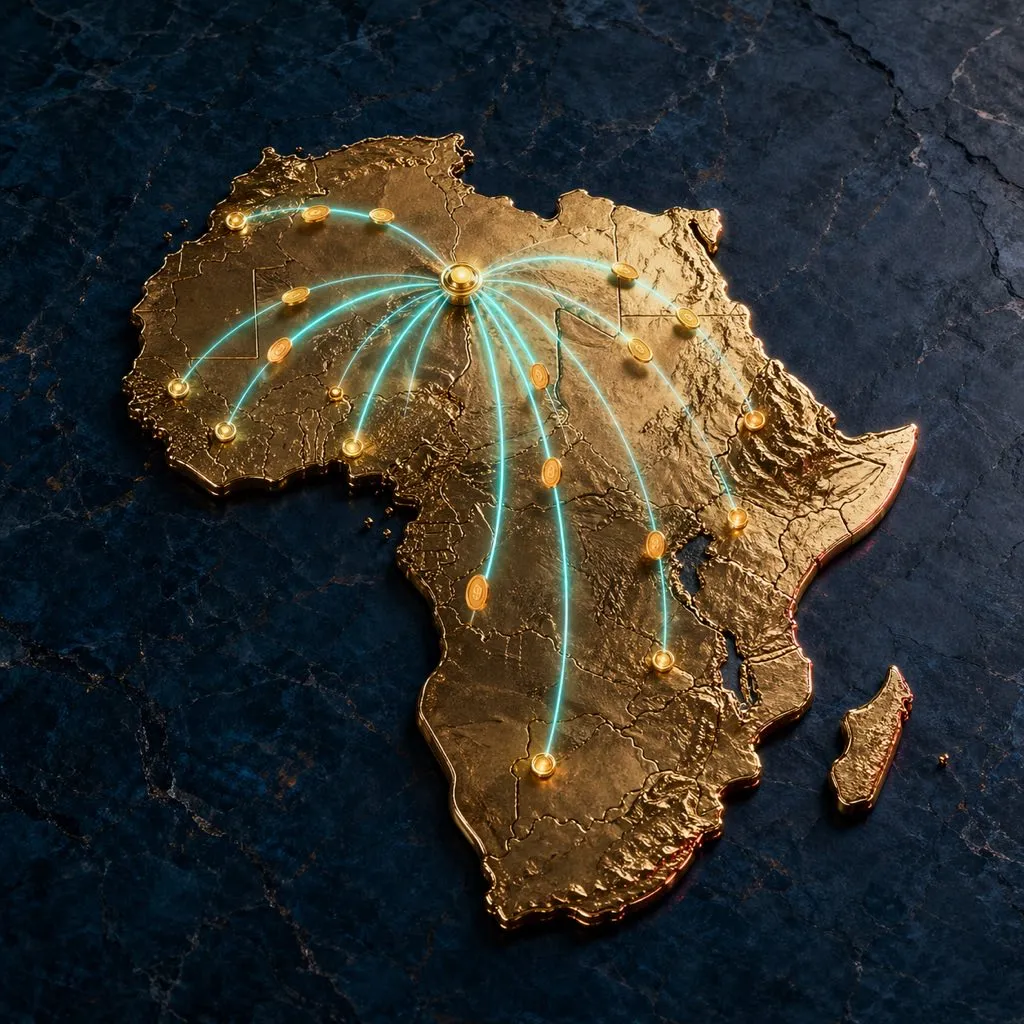
The Bank of Algeria’s accession to PAPSS — confirmed by Afreximbank in the run-up to the Intra-African Trade Fair 2025 (IATF 2025) in Algiers — attaches Algeria to an instant-settlement network that was launched by Afreximbank in partnership with the African Union Commission and the AfCFTA Secretariat. Before PAPSS, an Algerian exporter selling to a buyer in Ghana or Senegal typically routed payments through correspondent banks in Europe or the United States, converting dinar to euro or USD and then to the counterpart’s currency. The process was slow, expensive, and exposed to exchange fluctuations at every hop.
PAPSS replaces that chain with a single intra-African settlement layer. Afreximbank reports that cross-border transaction costs through PAPSS have fallen by up to 27% for end users, while participating banks have seen transaction volumes surge by more than 1000% when they integrate digital channels. Algeria becomes the 18th country of presence on the network — a figure that frames the scale and the remaining room to run.
Three Payment Products Sit Under the PAPSS Umbrella
The network is not a single product. According to Afreximbank, PAPSS has developed and launched three payment solutions:
- PAPSS Instant Payment System (IPS) — the real-time cross-border transfer rail, settling payments in local currency on both ends.
- PAPSS African Currency Marketplace (PACM) — a currency-conversion layer designed to replace the hard-currency pivot (USD/EUR) with direct African currency pairs.
- PAPSSCARD — a scheme card product intended to support retail and commercial card use across participating countries.
For Algerian users, the most visible near-term impact will come from IPS for B2B flows and — over a longer horizon — PAPSSCARD for retail use by Algerian card holders travelling or buying across the continent.
Why Algerian Exporters Are the First Winners
The composition of Algerian exports outside hydrocarbons is tilted toward agri-products, building materials, and light manufacturing — sectors that have natural African demand corridors. The historical obstacle has never been product-market fit. It has been payment friction: an SME in Tlemcen or Sétif selling to a buyer in Lagos had to absorb 3–5 intermediary fees, days of float, and an FX exposure they could not hedge.
PAPSS compresses all of that into a single leg. The exporter invoices the buyer; the Nigerian bank sends naira into PAPSS; PACM converts to dinar; the Bank of Algeria settles it into the exporter’s DZD account. The per-transaction savings that Afreximbank describes as up to 27% for end users — combined with settlement in hours rather than days — are meaningful for working-capital cycles in sectors where 90-day terms are the norm.
Advertisement
The Diaspora Remittance Question
Algerian personal remittances received are reported by the World Bank at approximately USD 1.83 billion (1.0% of GDP) in recent years. The overwhelming majority flow from Europe — France, Spain, Italy, Germany — where PAPSS has no direct footprint. This is the honest limit of the PAPSS conversation for the diaspora in the short term: PAPSS is pan-African, not pan-Mediterranean.
Where PAPSS does matter for remittances is in the growing share of Algerian diaspora working and earning in West Africa, Canada (which intersects with Africa via several corridors), and Gulf partners with African correspondent relationships. Over a 24-month horizon, Afreximbank’s roadmap for PAPSS interoperability with non-African networks will determine how far the rail extends beyond intra-African flows. Algerian readers should track announcements rather than assume a European corridor exists today.
What Participating Banks Need to Do
Algerian commercial banks joining through the Bank of Algeria’s national onboarding need to treat PAPSS as an operational program, not a press-release line. The work has three clear components:
- Connectivity — integrating with PAPSS messaging standards and setting up the Bank of Algeria’s settlement account.
- Product design — deciding which corporate clients get priced access first (exporters with sub-Saharan buyers are the obvious shortlist).
- Customer education — the biggest practical barrier to PAPSS uptake across the continent has been that SMEs do not know it exists. Banks that brief their commercial-banking relationship managers and publish clear PAPSS transfer instructions in their online banking portals will capture disproportionate share.
For the Bank of Algeria, PAPSS is also a useful lever for the broader Fintech Strategy 2024–2030: it is a visible, externally validated piece of infrastructure that signals Algeria’s active participation in continental financial integration ahead of AfCFTA commitments coming due.
Monitoring the Next Milestones
Two things to watch over the next 12 months: first, how many Algerian commercial banks publish PAPSS as a live product (not just an announcement); second, whether PAPSSCARD rolls into Algerian issuance in partnership with SATIM or Algérie Poste. Either move would materially change the retail experience of Algerian travellers and online buyers operating across African borders.
Algeria’s payments story in 2026 has two rails. Domestically, Chargily Pay, SATIM, and EDAHABIA carry the weight. Cross-border, PAPSS is the rail. The operators who learn to use both will move faster than those who treat international payments as a back-office problem.
Frequently Asked Questions
What is PAPSS and when did Algeria join?
PAPSS is the Pan-African Payment and Settlement System launched by Afreximbank with the African Union Commission and the AfCFTA Secretariat. It enables instant cross-border payments within Africa. The Bank of Algeria joined PAPSS in 2025, making Algeria the 18th country of presence on the network.
How much can Algerian users save via PAPSS?
Afreximbank reports that PAPSS has reduced intra-Africa cross-border transaction costs by up to 27% for end users and driven transaction volume surges of over 1000% through digital channels at integrated banks. Exact savings depend on the corridor and the counterpart bank’s pricing.
Does PAPSS help Algerian diaspora remittances from Europe?
Not directly — PAPSS is a pan-African network, and most Algerian remittances flow from European countries (France, Spain, Italy, Germany). PAPSS becomes relevant for diaspora members earning in African countries or in jurisdictions that interconnect with the network; broader interoperability with non-African rails will depend on future Afreximbank partnerships.
Sources & Further Reading
- Bank of Algeria Joins PAPSS Network, Accelerating Financial Integration in Africa — African Export-Import Bank
- Bank of Algeria Joins PAPSS — Financial IT
- Algeria’s Fintech Ecosystem in 2026 by Building Momentum — The Fintech Times
- Algeria’s Payment Rails: How They Work — SATIM, E-Payments, the Path to Digital Banking — Transfi
- Personal Remittances, Received (current US$) — Algeria — World Bank Data