The Two Acquisitions That Change Everything
In the space of a few weeks in early 2026, Yassir executed two deals that individually looked like adjacent bets. Together, they reveal an architectural pivot that no other platform in North Africa has attempted.
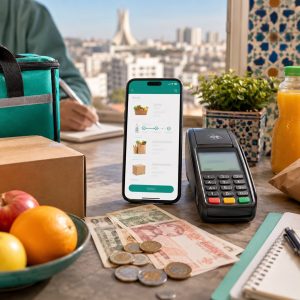
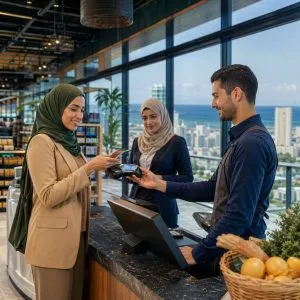
First, Yassir acquired Uno Hypermarkets from Cevital, Algeria’s largest industrial conglomerate, at an undisclosed price. Uno was founded in 2007 with directly owned stores in Bouira and Aïn Defla and leased locations in commercial centers across Algiers and Sétif. The first rebranded “Yassir Market” flagship opened in Bab Ezzouar during Ramadan 2026, featuring Click & Collect infrastructure, interactive kiosks, and integrated Yassir Cash wallet points-of-sale.
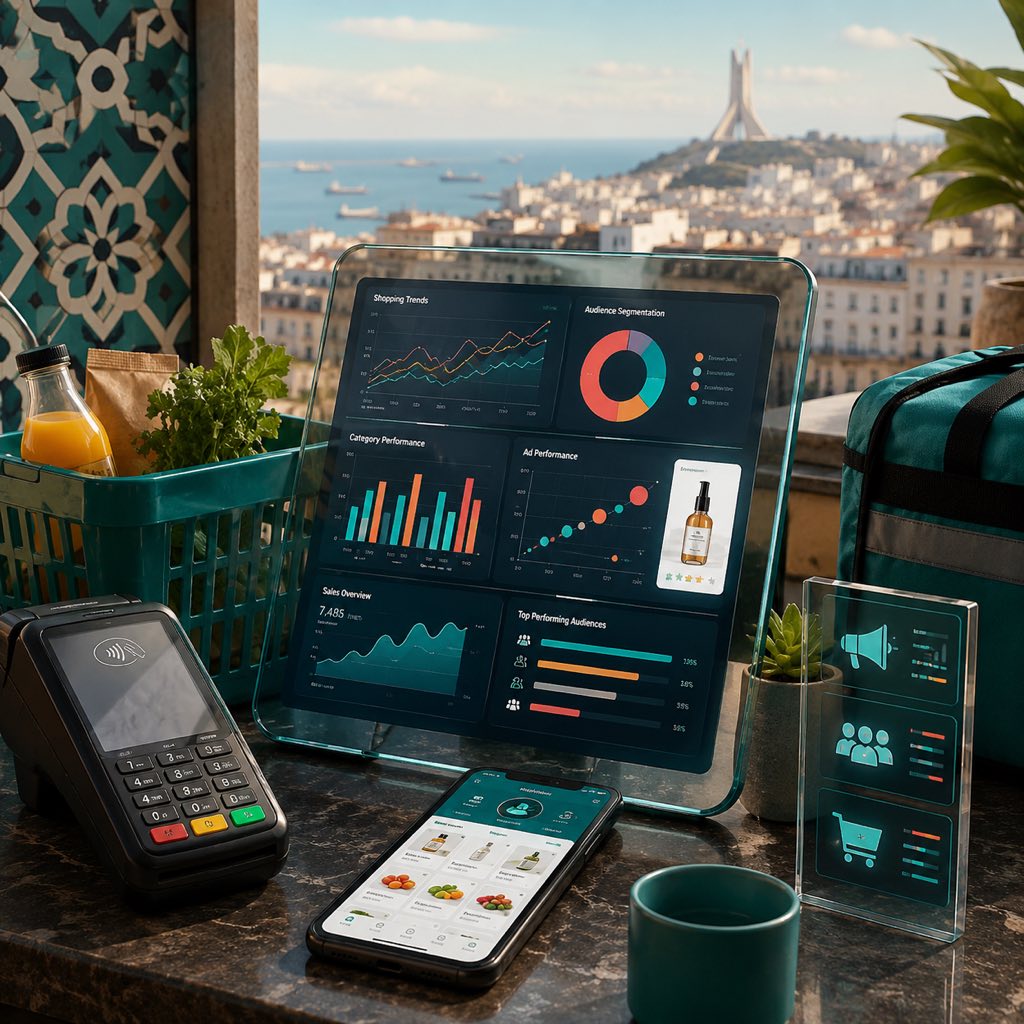
Then, Yassir acquired Kawarizmi, a Paris-based adtech company specialising in data-driven programmatic media buying across Europe, Africa, and the Middle East. No financial terms were disclosed, but the strategic logic is immediately legible: Kawarizmi brings the pipes to turn Yassir’s first-party transaction data into targetable ad inventory at scale.
The move fills the commercial vacuum Jumia left when it exited Algeria — but Yassir’s ambition goes further than e-commerce. It is building a closed-loop retail media ecosystem where ride-hailing rides, grocery purchases, food deliveries, and digital wallet payments all feed a single advertising intelligence layer.
Why Retail Media Is the Revenue Model That Scales
Retail media — advertising sold by retailers using their own purchase data to target buyers — is the fastest-growing segment of digital advertising globally. It commands higher CPMs than social or display advertising because the targeting signal (someone who just bought baby formula or upgraded a phone) is deterministic, not probabilistic.
Amazon’s retail media business generates tens of billions of dollars annually. Carrefour, Walmart, and Tesco all run retail media networks. In Algeria, no equivalent has existed — until now. FMCG brands selling through informal wholesale networks have had no way to measure whether their spend reached the right buyer. Yassir’s network changes that calculus entirely.
According to Weetracker’s coverage of the Kawarizmi deal, Yassir’s plan is to enable brands to target consumers across its ecosystem and across external digital channels using first-party data. That “and external” clause matters: it means Kawarizmi’s programmatic connections in Europe, Africa, and the Middle East will extend Yassir’s ad reach well beyond Algeria’s borders, opening a cross-market monetisation channel for regional advertisers.
Advertisement
What Algerian Brands and Media Buyers Should Do Now
The emergence of a structured, data-driven advertising channel in Algeria marks a generational shift for local marketing. Most Algerian advertisers have operated with limited measurement tools and unreliable attribution. Yassir’s retail media layer introduces a new set of decisions — and a new playbook.
1. Audit Your First-Party Data Strategy Before You Need Yassir’s
The most durable position in retail media is not as an advertiser on Yassir’s network — it is as a merchant or partner whose own transaction data integrates with the platform. FMCG brands that distribute through Yassir Market will have a structural advantage: their product-level sales data feeds back into targeting models, improving campaign performance over time. Brands still operating entirely through informal wholesale channels will lack the data handshake needed to participate at this level. Prioritise SKU-level tracking and digital POS integration before the network launches its formal ad product suite.
2. Negotiate Inventory Access Before Rate Cards Harden
Early-stage retail media networks always offer their most advantageous pricing before the platform formally packages and prices its inventory. This window — typically 6 to 18 months after a network launches — is when advertisers who commit early lock in CPM floors and preferred-partner status. Algerian brands in FMCG, consumer electronics, and telecom accessories should engage Yassir’s commercial team now, not after the platform announces its ad product publicly. The parallel from the Amazon Ads playbook: sellers who invested in Sponsored Products in 2016–2017 saw 3–5× better returns than those who joined after the auction became competitive.
3. Build Category-Specific Creative for the Transaction Context
Retail media advertising converts because the creative appears at or near the moment of purchase intent. Generic brand-awareness creatives do not perform well in this context. Algerian advertisers will need to develop a new creative discipline: SKU-level promoted listings, contextual banners triggered by cart content, and post-purchase follow-up units. This is a fundamentally different briefing process than what agencies currently optimise for. Start building capability internally or identifying agency partners who have retail media creative experience in Morocco, Egypt, or the Gulf — the closest comparable markets with mature digital retail advertising ecosystems.
4. Watch the Cross-Border Inventory Play
Kawarizmi’s programmatic connections across Europe, Africa, and the Middle East mean Yassir is not just building an Algerian ad network — it is building a North African retail data corridor. Algerian diaspora audiences in France and Belgium are commercially underserved and represent high-purchasing-power segments for local brands. The Kawarizmi acquisition gives Yassir the infrastructure to target these audiences with Algerian merchant inventory. Advertisers with cross-market ambitions — particularly in food, fashion, and consumer electronics — should model this use case into their 2027 media plans.
The Bigger Picture: Super App Economics in a Data-Scarce Market
Algeria’s advertising market has historically operated with minimal measurement infrastructure. Without reliable first-party data, most advertiser spending has been allocated to television, outdoor, and untargeted digital placements. The broader Algerian digital economy is undergoing a structural maturation — from 30–35 fintech startups building payment infrastructure to super apps layering monetisation models on top of those rails.
Yassir’s retail media move positions it at the intersection of three converging forces: rising smartphone penetration (mobile connections at 95% of Algeria’s 46 million population, according to trade.gov’s Algeria digital economy analysis), increasing digital wallet adoption through the Yassir Cash product, and growing demand from multinational FMCG brands for measurable digital channels in frontier markets.
The Uno acquisition solved a physical-world logistics problem — supply chain control, consumer trust, and Cash wallet adoption at point of sale. The Kawarizmi acquisition solved the monetisation problem: how do you turn operational scale into advertising revenue? Together, they form a model that looks less like a ride-hailing company and more like a vertically integrated commerce-and-media platform — a template that could travel to the other North African markets where Yassir already operates.
For Algerian brands, this is not a development to monitor from the sideline. The first movers into Yassir’s retail media ecosystem will define category leadership in digital advertising for the next decade.
Frequently Asked Questions
What is a retail media network and how does Yassir’s differ from traditional digital advertising?
A retail media network allows a retailer to sell advertising using its own customer purchase data — so ads are targeted based on actual buying behaviour, not modelled demographics. Yassir’s network differs because it combines ride-hailing, grocery, food delivery, and digital wallet data into a single targeting layer, giving advertisers insight into a consumer’s full lifestyle spending — not just what they buy in one category.
When will Yassir’s retail media network formally launch its ad product for brands?
No formal launch date has been announced publicly as of May 2026. The Kawarizmi acquisition was confirmed in March 2026, and the first Yassir Market flagship opened in Bab Ezzouar during Ramadan 2026. Given typical platform buildout timelines, a formal ad product suite is most likely to emerge in late 2026 or Q1 2027 — making the current period the optimal window for early brand negotiations.
Can small Algerian brands participate in Yassir’s retail media network, or is it only for large FMCG players?
Retail media networks typically serve all seller sizes, with larger advertisers accessing premium formats and smaller ones using self-serve promoted listings. Yassir has not disclosed its tier structure, but the Kawarizmi programmatic platform is architected for multi-size campaigns — the same infrastructure that powers large brand buys can be configured for SME-scale budgets. Small brands distributing through Yassir Market will have a structural advantage regardless of spend level.
Sources & Further Reading
- Yassir Acquires Kawarizmi: Adtech and Retail Media — Weetracker
- Algerian Super App Yassir Buys Uno Hypermarkets — Launch Base Africa
- Algeria’s Fintech Ecosystem in 2026: Building Momentum — The Fintech Times
- Algeria Digital Economy Country Guide — US Trade.gov
- Yassir Retail Network Expansion — WorldEF
🔗 Related Intelligence

Yassir Acquires Kawarizmi: Algeria’s First Retail Media Play

Ouedkniss at 800,000 Daily Users: Algeria’s Marketplace Anchors a Digital Shift

Yassir Builds North Africa’s First Retail Media Network: Monetizing 10M Users Across Rides, Delivery and Stores
Yassir Market at Bab Ezzouar: Inside the Ramadan 2026 Reopening of Algeria’s First Super-App-Owned Hypermarket