Algeria’s First PSP Licensing Framework: What Changed in 2025-2026
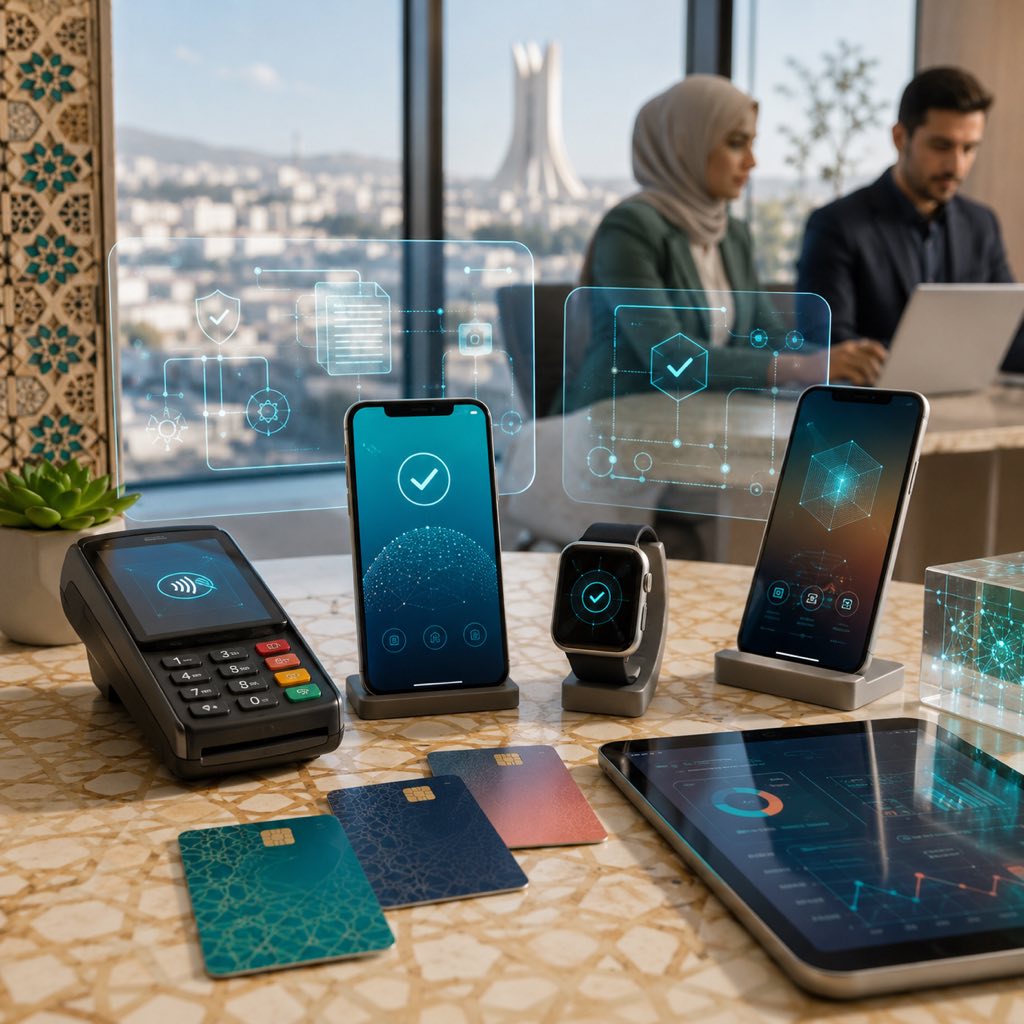
For years, Algerian fintech startups operated in regulatory ambiguity — digital payment services existed, but the legal framework to license, test, and scale them did not. That changed when the Bank of Algeria issued Instruction No. 06-2025, the country’s first comprehensive regulatory framework specifically governing Payment Service Providers and digital wallet operators.
The instruction arrived within Algeria’s broader Fintech Strategy 2024-2030, a roadmap that targets a significant increase in electronic transaction adoption. It does two things simultaneously: it formalizes the compliance baseline that all PSPs must meet, and it creates an experimental track — the regulatory sandbox — where startups can test innovative payment models under Bank of Algeria supervision before full licensing is required.
This matters because the informal economy around digital payments had been growing faster than any legal framework could accommodate. According to The Fintech Times’ 2026 Algeria ecosystem review, approximately 30 to 35 fintech startups now operate in Algeria across digital payments, mobile banking, and financial infrastructure — a segment that previously had no formal licensing pathway. The instruction gives these companies a route to legitimacy and, critically, investor confidence.
The Sandbox Architecture: Tiers, Limits, and Who Qualifies
Instruction 06-2025 structures PSP regulation around tiered digital wallets. Understanding the tier architecture is the first practical step for any startup considering an application.
Tier 1 — Basic wallet: Designed for low-volume consumer transactions. The upper limit is approximately 100,000 DZD (roughly $740 USD at current exchange rates). Suitable for peer-to-peer transfers, small merchant collections, and bill payments. This tier has the lowest compliance threshold and is the entry point most consumer-facing fintech startups will target.
Tier 2 — Standard wallet: Operates at approximately five times the basic wallet limit — around 500,000 DZD (~$3,700). This tier targets business-to-consumer use cases, subscription models, and mid-market merchant acceptance.
Tier 3 — Business wallet: The highest tier, with transaction capacity reaching approximately 1,000,000 DZD (~$7,400). Designed for B2B payments, supply chain settlement, and enterprise-grade digital payment infrastructure.
The sandbox itself accepts a minimum of 20 innovators per annual cohort. Applicants must demonstrate a clear use case, outline the consumer protection model built into their product, and show technical readiness to operate within the Bank of Algeria’s reporting framework. Importantly, sandbox participation provides a supervised environment: the startup can onboard real users and process real transactions, but under closer regulatory monitoring and with interim reporting obligations rather than full annual compliance filings.
For reference, Algeria Post’s existing payment network — 29 million CCP accounts and 18 million Edahabia cards — represents the baseline infrastructure that PSP innovators are expected to complement or extend, not replace.
Advertisement
What Algerian Fintech Founders Should Do Now
The sandbox pathway is real and open — but it requires deliberate preparation. The following four steps represent the minimum viable compliance posture for a fintech startup considering an Instruction 06-2025 sandbox application.
1. Map Your Use Case to the Correct Wallet Tier Before Applying
The most common early mistake is applying for a higher tier than the product actually requires. Over-licensing inflates your compliance burden, delays approval, and signals to reviewers that the product scope is unclear. Walk through your transaction flows, identify the maximum single transaction value and the expected daily aggregate, then select the tier whose limits cover your realistic use case — not your five-year ambition. The Bank of Algeria evaluates fit between the proposed product and the requested tier as part of initial screening.
2. Build a Consumer Protection Stack Into Your MVP
Instruction 06-2025 is explicit: consumer protection is not optional documentation to attach at the end. It is part of the product architecture. Before submitting a sandbox application, your product must demonstrate dispute resolution mechanisms (how a consumer escalates a failed transaction), transaction limits enforcement (technical, not just policy), and data protection alignment with Law 18-07 on personal data protection (August 2018). Reviewers will ask for technical evidence of these features — not just terms and conditions documents. Startups that treat compliance as a checkbox will fail at this stage.
3. Integrate with SATIM’s Certified Gateway for Payment Processing
E-commerce law 18-05 (May 2018) and the subsequent digital payment requirements converge on one technical requirement: payment processing for legitimate Algerian transactions must route through SATIM, the national interbank settlement network. This is non-negotiable for any PSP operating in Algeria’s formal financial system. If your fintech architecture does not already include a SATIM integration layer, it needs to before you go to market — and demonstrating this readiness in your sandbox application significantly strengthens your case.
4. Prepare Quarterly Reporting Infrastructure from Day One
Sandbox participants are not exempt from reporting — they operate under a streamlined interim framework rather than the full annual audit cycle. The Bank of Algeria requires transaction volume reports, error and dispute rates, and system availability metrics. Startups that build these reporting pipelines early (ideally alongside their core product, not after launch) avoid the operational scramble that typically hits at the first quarterly deadline. A well-functioning reporting system also signals operational maturity to the regulator, which matters when you exit the sandbox and apply for a full PSP licence.
The Broader Compliance Landscape: What Else to Watch
Instruction 06-2025 does not operate in isolation. Fintech founders navigating the sandbox need to understand at least three parallel regulatory tracks:
Algeria’s national digital payment strategy targets 70% electronic transaction adoption by 2027. This political commitment means the Bank of Algeria has institutional incentive to see sandbox participants succeed — the regulator wants functioning licensed PSPs, not just a compliance framework on paper. This creates room for constructive engagement if a startup encounters technical ambiguities during sandbox participation.
Law 18-05 on e-commerce (May 2018) governs the merchant side of the equation. If your PSP serves merchants who sell online, those merchants must hold a CNRC commercial register (Activity Code 607.074 for e-commerce retail) and invoice electronically. A PSP that onboards unregistered merchants exposes itself to joint liability. Build merchant onboarding KYC that checks registration status.
The digital ID trust services law approved by the Council of Ministers in November 2025 updates Algeria’s 2015 electronic signature framework, giving full legal value to digital documents and linking the digital signature system to Algeria’s biometric national ID card. Once enacted, this will materially improve PSP identity verification capabilities — particularly for the Tier 3 wallet where higher transaction limits demand stronger KYC.
Where This Fits in Algeria’s 2026 Fintech Ecosystem
The sandbox is not an end destination — it is the first stage of a two-step market entry process. The second stage is a full PSP licence, which enables commercial operations at scale, interoperability with the banking system, and eligibility for integration with Algerie Post’s Barid Pay and the Bank of Algeria’s evolving real-time payment infrastructure.
The 30 to 35 fintech startups currently operating in Algeria represent a small base compared to comparable markets — Morocco has over 120 licensed fintechs, and South Africa has over 200. The sandbox mechanism is designed to accelerate this gap-closing by reducing the regulatory uncertainty that has historically deterred both founders and investors.
For founders already building: the sandbox window is open now. Algeria’s Fintech Strategy 2024-2030 is a genuine policy commitment, not a signaling document. The institutions needed to support licensed payment innovation — the Bank of Algeria’s oversight framework, SATIM’s settlement infrastructure, Algeria Post’s payment network — are all operational. What the market needs is a cohort of sandbox-tested startups that can carry Instruction 06-2025 from regulatory text to running product.
Frequently Asked Questions
What is Bank of Algeria Instruction 06-2025 and why does it matter for startups?
Instruction 06-2025 is Algeria’s first formal regulatory framework for Payment Service Providers, introduced under the Fintech Strategy 2024-2030. It defines three tiers of digital wallet licences (with transaction limits from ~$740 to ~$7,400), creates a supervised sandbox for testing payment innovations, and gives fintech startups a clear legal pathway to operate in Algeria’s formal financial system for the first time. Before this instruction, there was no structured licensing process for payment startups.
How many startups can join the fintech sandbox each year?
The Bank of Algeria’s regulatory sandbox accepts a minimum of 20 innovators per annual cohort. Participants test live products under Bank of Algeria supervision with lighter interim reporting obligations rather than full annual audit requirements. Sandbox participation is time-limited and serves as a precursor to applying for a full PSP licence enabling unrestricted commercial operations.
Does my fintech startup need to integrate with SATIM to participate in the sandbox?
Yes. Any PSP operating within Algeria’s formal payment system must route transactions through SATIM, the national interbank settlement network. This requirement flows from e-commerce law 18-05 (2018) and applies to sandbox participants as well as fully licensed PSPs. Demonstrating a working SATIM integration architecture in the sandbox application significantly strengthens the approval case and is a prerequisite for progressing to a full licence.
Sources & Further Reading
- Algeria’s Fintech Ecosystem in 2026: Building Momentum — The Fintech Times
- Algeria’s E-Commerce Law and Regulations 2026 — EcommMaps
- Digital Policy Alert: Algeria Digital Digest — Digital Policy Alert
- Algeria Approves Draft Legislation on Digital ID and Trust Services — Biometric Update
- Algeria Digital Banking Conditions and Prospects — Algeria Invest
🔗 Related Intelligence

Bank of Algeria’s Fintech Sandbox: One Rulebook, 20 Startups, a New Era for Payments

Algeria’s First Fintech Sandbox Cohort: 20 Payment Startups Get a 2026 Test Lane

Algeria’s Fintech Sandbox 2026: How Startups Can Test Payment Products Under Supervision

Algeria Fintech Sandbox: What Founders Must Prepare Before Applying in 2026