

fintech regulation

Policy & Regulation
Russia’s Digital Ruble Becomes Legal Tender Alongside Cash as Nationwide Rollout Begins
Russia's digital ruble entered its first nationwide rollout stage on September 1, 2026, becoming a third official form of currency alongside cash and bank money, with major banks and retailers required to support it.

Policy & Regulation
Bank of Algeria’s Fintech Sandbox: One Rulebook, 20 Startups, a New Era for Payments
⚡ Key Takeaways Instruction No. 06-2025, issued by the Bank of Algeria on August 17, 2025, created Algeria’s first dedicated...

Digital Economy
Africa Fintech Passporting: How Ghana–Rwanda Could Reshape Cross-Border Finance
⚡ Key Takeaways A fintech passporting pilot between the Central Bank of Ghana and the National Bank of Rwanda is...
Policy & Regulation
Algeria’s Fintech Sandbox: What Instruction 06-2025 Means for Payment Startups in 2026
⚡ Key Takeaways Bank of Algeria Instruction 06-2025 established Algeria’s first formal Payment Service Provider licensing framework with tiered digital...

Digital Economy
Nubank’s US Bank Charter: When Neobanks Stop Being Apps and Become Infrastructure
⚡ Key Takeaways Nubank received conditional OCC approval for a US national bank charter (expected launch 2027), marking the transition...

Digital Economy
Stablecoins and Payments: The Competition Shock Is Here
⚡ Key Takeaways The IMF Working Paper 2026/052, published March 20, 2026, estimates that pro-stablecoin U.S. legislation reduced the market...

Digital Economy
Open Banking Goes Live — and Then Doesn’t: The CFPB’s 1033 April 2026 Deadline and the New Rules of Consumer Financial Data
⚡ Key Takeaways April 1, 2026, was the planned compliance deadline for the largest US banks under the CFPB’s Section...
Digital Economy
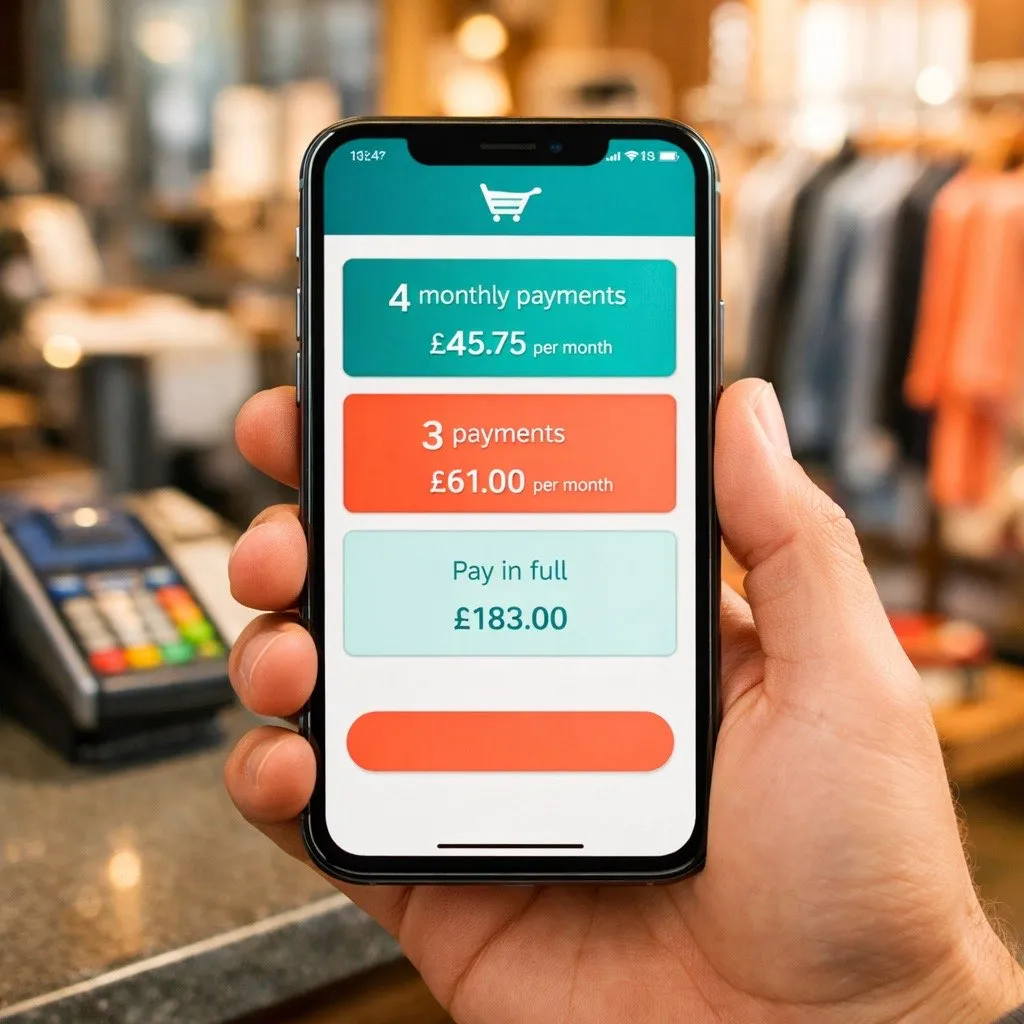
UK BNPL Regulation: FCA Brings £13B Market Under Full Oversight from July 2026
⚡ Key Takeaways The UK’s £13 billion BNPL market comes under full FCA regulation on July 15, 2026, requiring providers...
Policy & Regulation
Algeria’s Digital Payment Services Law: New Consumer Protections for the Cashless Economy
Algeria's PSP regulation and e-commerce laws build new consumer protections for digital wallets, cross-border payments, and the cashless economy transition.

Digital Economy
BNPL Regulation: Buy Now Pay Later Faces Its Global Reckoning
From UK FCA protections to EU PSD3 integration, buy now pay later faces formal credit regulation worldwide. What changes for consumers and providers.

Digital Economy
Algeria’s First Fintech Law: Who Got a PSP License and What Actually Changed
When the Bank of Algeria published Instruction No. 06–2025 on August 17, 2025, it formally ended a decade of regulatory ambiguity.




