The 50in5 Membership: What Algeria Just Committed To
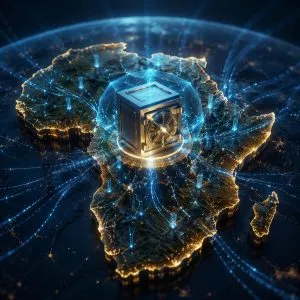
On April 2, 2026, the Ministry of Post and Telecommunications announced that Algeria has formally joined the 50-in-5 campaign, a UNDP-backed global initiative aiming to help 50 countries design, launch, and scale core digital public infrastructure by 2028. Algeria joins approximately 30 nations — from Estonia to Singapore to Brazil — committed to building interoperable digital identity, payment, and data exchange systems.
This is not symbolic. Algeria already has foundational pieces: E-Tawki3 digital identity, over 29 million Algeria Post CCP accounts, 18 million Edahabia cards, and the BaridiMob mobile app. The membership signals intent to unify these fragmented components into a coherent national platform under international interoperability standards.
What Is 50-in-5 and Why Does It Matter?
Launched in November 2023, 50-in-5 is a country-led campaign supported by the UNDP, the Bill & Melinda Gates Foundation, and the Digital Public Goods Alliance. Its premise: DPI built on three pillars — digital identity, digital payments, and data exchange — can transform how governments deliver services and how citizens interact with institutions.
The model has proven results. India’s UPI has become the world’s fifth-largest payment network by volume. Estonia’s X-Road delivers over 99% of government services digitally. Brazil’s Pix onboarded over 150 million users in under three years. For Algeria, membership means access to shared blueprints, technical assistance, and peer learning from countries that have deployed DPI at scale.
Advertisement
Algeria’s Existing DPI Building Blocks
Algeria is not starting from zero. The country has been assembling the components that 50in5 asks members to scale:
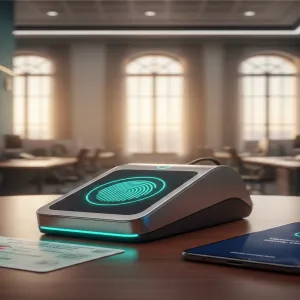
Digital Identity. The E-Tawki3 framework provides the legal foundation for digital identity and electronic signatures. In November 2025, the government approved a new draft law on trust services, modernizing the 2015 framework. It gives full legal value to digital documents and strengthens ties with Algeria’s biometric national ID card system.
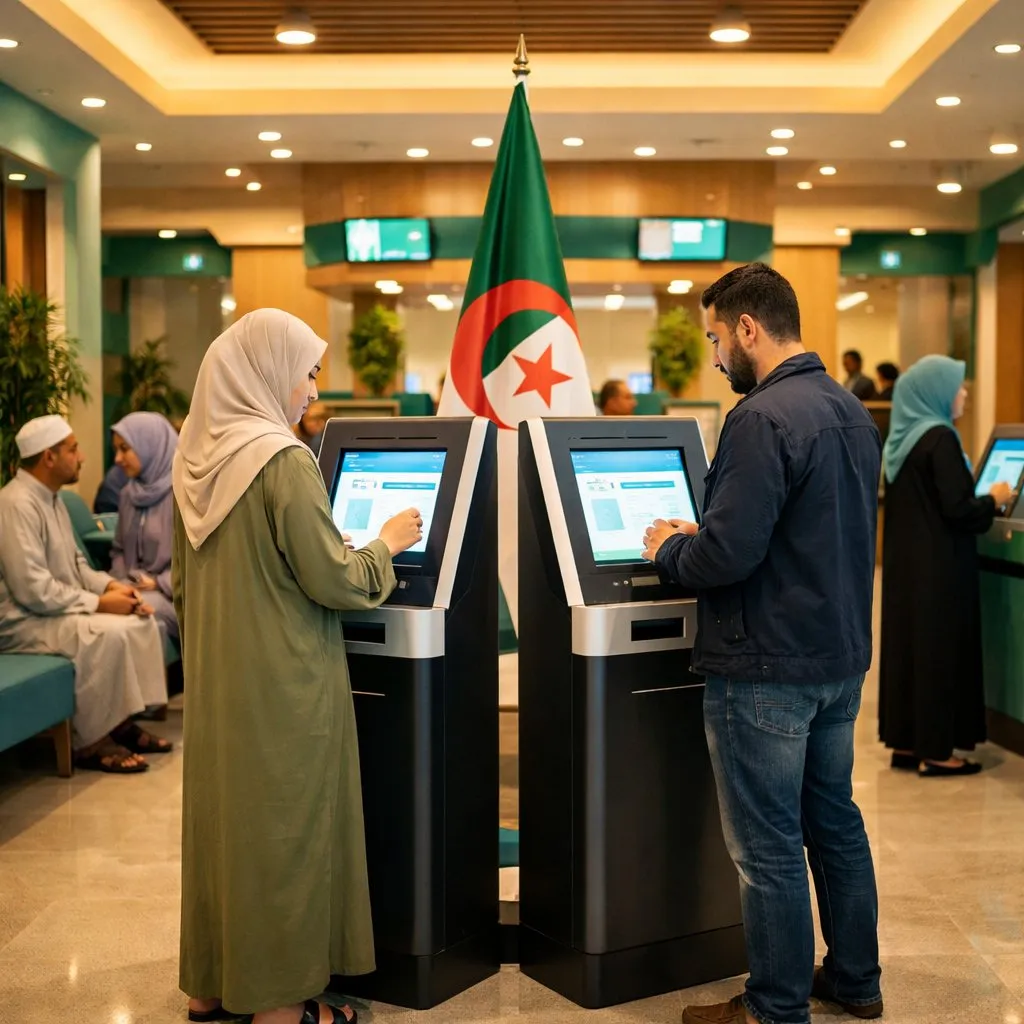
Digital Payments. Algeria Post operates the largest payment network in the country: over 29 million CCP accounts and 18 million Edahabia cards across more than 4,000 post offices. The BaridiMob mobile app and Barid Pay QR system enable digital transactions. In early 2026, Algeria Post launched CCP Business Cashless for merchants, targeting one billion digital transactions by 2028. The Bank of Algeria also issued Instruction No. 06-2025, the first formal regulatory framework for Payment Service Providers, introducing tiered digital wallets with limits ranging from approximately $740 to $7,400. The national digital payment strategy targets 70% electronic transaction adoption by 2027.
Data Exchange. This is Algeria’s weakest pillar and where 50in5 support will have the greatest impact. While individual agencies have digitized their own services, interoperability remains limited. The planned Interactive National Portal and interoperability platform — both part of the 500-project digitization strategy — are meant to address this gap.
The 500-Project Strategy and UNDP Partnership
The 50in5 membership fits within a broader push. High Commissioner for Digitization Meriem Benmouloud has outlined over 500 digital transformation projects for 2025-2026 under the “Digital Algeria 2030” initiative, with 75% focused on transparency and administrative simplification.
Algeria and the UNDP also signed a two-year cooperation declaration for 2025-2026, covering training programs, capacity building, and integration of international digital standards. The plan’s five pillars — infrastructure, training, digital governance, digital economy, and digital society — align with the DPI model that 50in5 promotes.
What Comes Next: From Components to Platform
The core challenge is interoperability. A citizen should be able to authenticate with E-Tawki3, pay via BaridiMob, and complete a government procedure in one session — no physical office needed. Three priorities stand out:
- Unified authentication layer. Linking the biometric national ID and E-Tawki3 to all government digital services, creating a single sign-on for citizens.
- Open API standards for payments. The PSP regulation is a start, but Algeria needs standardized APIs letting Algeria Post, banks, and fintechs interoperate seamlessly — similar to India’s UPI model.
- Government data exchange backbone. A national platform — inspired by Estonia’s X-Road — allowing ministries to share verified data securely, eliminating redundant document submissions.
Algeria’s August 2025 membership in the Pan-African Payment and Settlement System (PAPSS) — joining as the 18th member country — adds a continental dimension, positioning Algeria as a potential node in the African digital economy under the AfCFTA.
Crucially, the 50in5 framework promotes open-source, modular, locally governed DPI rather than vendor lock-in — aligning with President Tebboune’s vision of digital sovereignty and national control over critical infrastructure.
Frequently Asked Questions
What is the 50-in-5 initiative and what does Algeria’s membership mean?
50-in-5 is a global campaign launched in November 2023, backed by the UNDP and the Bill & Melinda Gates Foundation, helping 50 countries build core digital public infrastructure — digital identity, payments, and data exchange — by 2028. Algeria’s membership, announced April 2, 2026, commits the country to scaling these systems with international technical support and peer learning from approximately 30 member nations including Estonia, Singapore, and Brazil.
How does this connect to existing services like Algeria Post and BaridiMob?
Algeria Post’s 29 million CCP accounts, 18 million Edahabia cards, and BaridiMob app are Algeria’s de facto digital payment infrastructure. Under 50in5, these would be integrated with E-Tawki3 digital identity and a government data exchange platform, creating a unified ecosystem rather than isolated tools. The new CCP Business Cashless service and PSP regulatory framework are early steps toward this integration.
What is the biggest challenge Algeria faces in implementing DPI?
Interoperability is the critical gap. Algeria has functional digital identity (E-Tawki3), payments (Algeria Post/BaridiMob), and emerging regulatory frameworks (Instruction No. 06-2025 for PSPs), but these systems operate in silos. Building open APIs, data exchange protocols, and unified authentication — so citizens can access all services through a single digital interface — requires cross-ministry coordination that Algeria has historically struggled to achieve.
Sources & Further Reading
- Algeria Joins Global ’50in5′ Campaign to Develop Public Digital Infrastructure — AL24 News
- Algeria Joins 50in5 Initiative, Pledges to Strengthen Africa’s Digital Public Infrastructure — Tech Review Africa
- Algeria Approves Draft Legislation on Digital ID, Trust Services — Biometric Update
- 11 ‘First-Mover’ Countries Launch 50-in-5 Campaign — UNDP
- Algeria’s Ambitious Digital Transformation Plan: Over 500 Projects Set for 2025-2026 — MEA Tech Watch
- Algeria Launches First Fintech Regulation for PSPs — Startup Researcher
- Algeria and UNDP Sign Agreement to Accelerate National Digital Transformation — TechAfrica News
- Bank of Algeria Joins PAPSS Network — Afreximbank