

Nvidia
Policy & Regulation
The Chip Wall Backfires: US Export Controls Lock Nvidia Out of China
⚡ Key Takeaways Despite roughly $10 billion in Commerce Department-approved licenses to sell Nvidia’s H200 chip to China, a US...

Startups
CuspAI’s $450M Bet: AI Materials Discovery Hits a $2.6B Valuation
CuspAI raised $450M at a $2.6B valuation and launched a 45-member AI Materials Foundry with Nvidia and Samsung. Here's what founders should learn.
AI & Automation
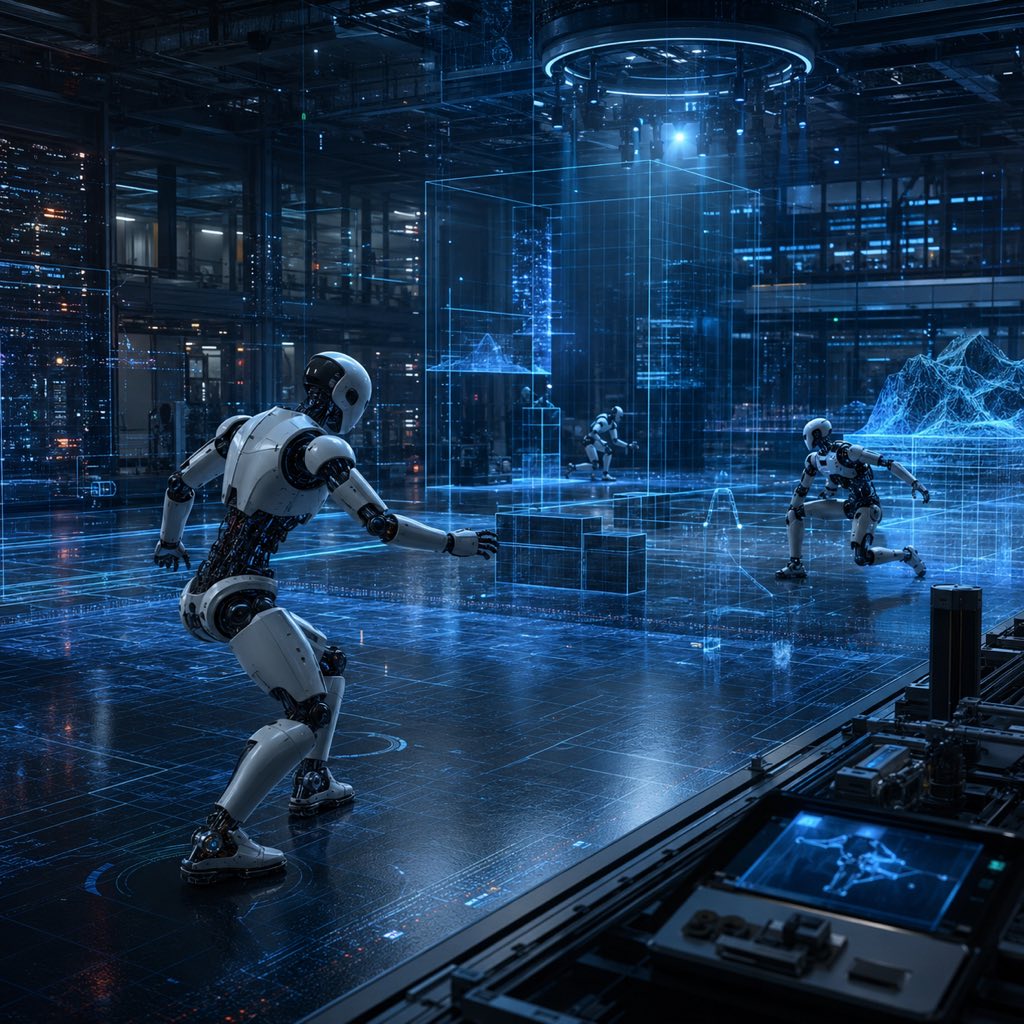
Cosmos 3: NVIDIA’s Open World Model and the Dawn of Physical AI
⚡ Key Takeaways NVIDIA launched Cosmos 3 on June 1, 2026, at COMPUTEX in Taipei — the world’s first fully...
AI & Automation
Google Leases 110,000 GPUs From SpaceX: Inside the $920M/Month AI Compute Crunch
⚡ Key Takeaways Google has agreed to pay SpaceX $920 million per month — $30 billion over 32 months —...
Infrastructure & Cloud
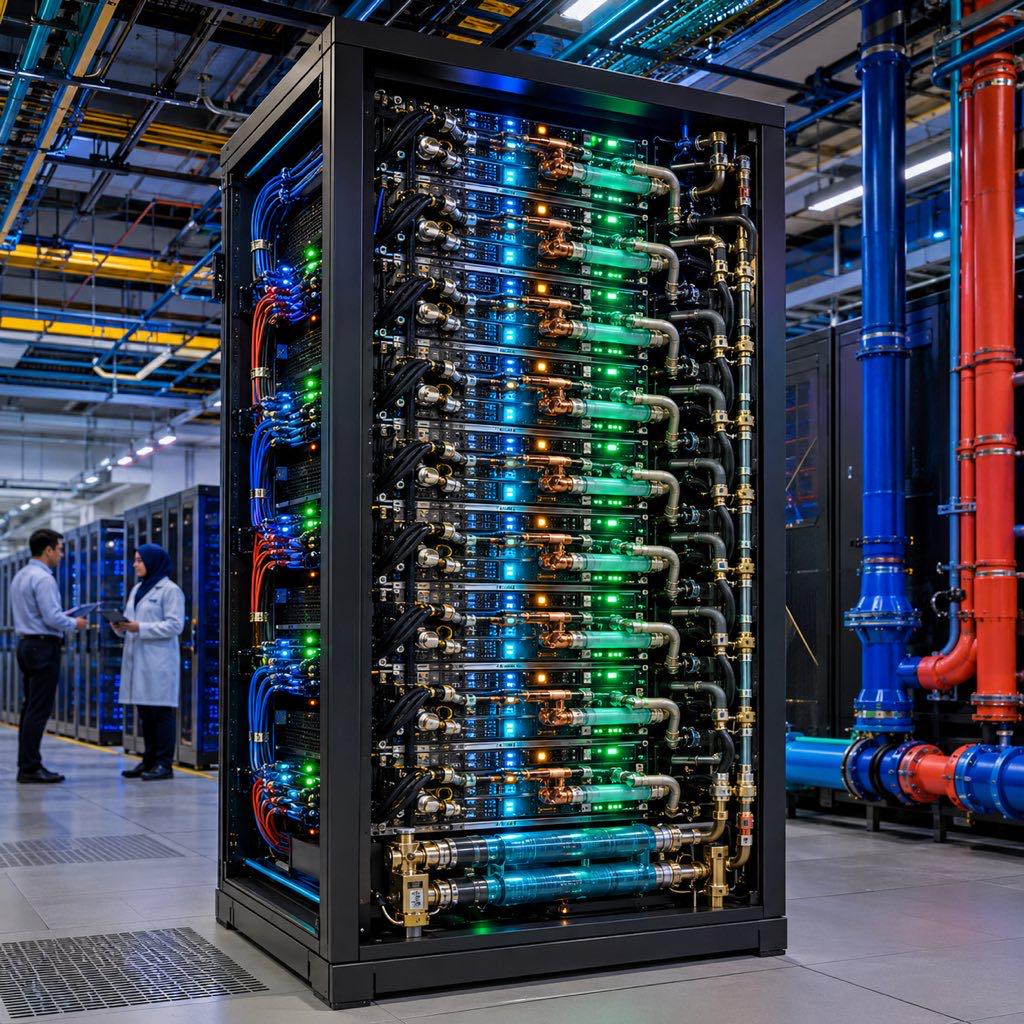
AI Racks at 1 MW: How AI Is Forcing a Complete Rethink of Data Center Design
⚡ Key Takeaways At Data Center World 2026, engineers from Oracle, Nvidia, and Google confirmed that AI training facilities are...

AI & Automation
Cassava and NVIDIA’s $720M AI Factory: Africa Builds Its First Large-Scale GPU Compute Hub
⚡ Key Takeaways Cassava Technologies and NVIDIA are building a $720M AI factory near Johannesburg with approximately 3,000 GPUs in...

Startups
Neysa’s $1.2 Billion Moment: Blackstone Bets on India’s AI Infrastructure Boom
⚡ Key Takeaways Blackstone led a $1.2B financing deal for Mumbai-based Neysa — India’s largest AI funding round ever —...

Startups
Mistral’s $830M Debt Deal: Why Europe Is Betting on Its Own AI Infrastructure Stack
⚡ Key Takeaways Mistral AI secured $830M in debt from a 7-bank consortium (led by Bpifrance) to build a Paris...

Infrastructure & Cloud
GPU Cloud Price War 2026: Specialised Providers Undercut Hyperscalers by 60-85%
⚡ Key Takeaways As of April 2026, A100 80GB GPUs rent for $0.78/hr on Thunder Compute and $1.21/hr on Vast.ai,...

Infrastructure & Cloud
The $450B Treadmill: How GPU Obsolescence Is Rewriting Hyperscaler Economics
Hyperscalers will spend $450B on AI infrastructure in 2026 while depreciating GPUs over 5–6 years. A 2–3 year refresh cycle is breaking the math.

AI & Automation
NVIDIA’s Agent Toolkit: What Algerian Developers Need to Know
⚡ Key Takeaways NVIDIA's Agent Toolkit — open-sourced at GTC 2026 on March 16 and already backed by 17 enterprise...




