fintech

Startups
Africa’s Startup Funding Diversifies Beyond Fintech: The Continental Sector Shift
⚡ Key Takeaways In a historic reversal, clean energy overtook fintech as Africa's top-funded startup sector by Q3 2025, capturing...

Policy & Regulation
Instruction 06-2025: Algeria’s PSP Framework Gives Fintech Its First Legal Playbook
Algeria's Instruction 06-2025 creates the first PSP licensing framework with 160M DZD minimum capital, three wallet tiers, and agent networks.

Digital Economy
Podcast and Digital Content Monetization in Algeria: The Creator Economy’s Next Chapter
⚡ Key Takeaways Algeria has 27.5 million social media users and 25.4 million YouTube viewers. Scroll through Instagram, TikTok, or...

Digital Economy
B2B Marketplaces Are Coming to Algeria: Digitizing Industrial Procurement
⚡ Key Takeaways A construction foreman in Blida needs 50 tons of reinforcing steel for a housing project. He calls...

Skills & Careers
Hackathons as Open Innovation: Are Algeria’s Hundreds of Annual Events Producing Real
Algeria hosts hundreds of hackathons and innovation challenges yearly. We tracked what happens after the trophies and the results are sobering.

Digital Economy
Instant Payments Go Mainstream: 74% Adoption and the Global Race
74% of consumers have received instant payouts. With 80+ country systems and a $157B market by 2030, real-time payments are the new normal.

Digital Economy
Creators Become Bankers: MrBeast, Step, and the Influencer-Fintech Convergence
Beast Industries acquired Step's 7M users and filed a digital banking trademark. With 466M subscribers as distribution, the creator-to-fintech pipeline is real.

Startups
YC Goes Crypto: Stablecoin Funding and the New Startup Finance Stack
Y Combinator now offers its Spring 2026 batch $500K in USDC stablecoins. The first major accelerator to embrace crypto funding signals a finance revolution.

AI & Automation
Block Layoffs: 4,000 Jobs Cut in AI-Driven Restructuring
Jack Dorsey's Block slashed 4,000 jobs — nearly half its workforce — citing AI tools. Stock surged 24%. Is this the template for AI-native companies?
Digital Economy
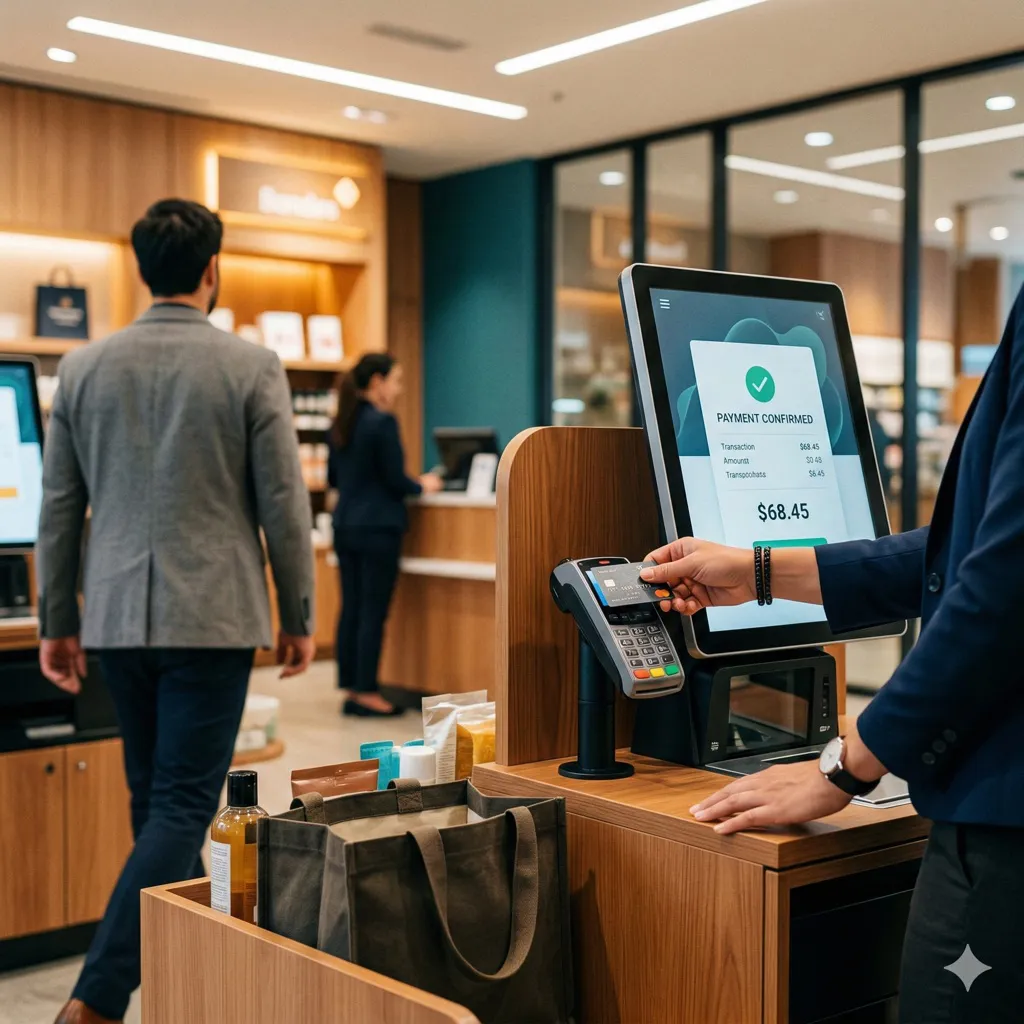
Embedded Finance: When Every App Becomes a Bank
You open a ride-hailing app to request a car. Before you close it, you check your in-app wallet balance, pay your driver a tip, and take out a short-term micro-loan to cover a bill coming due next week.

Cybersecurity & Risk
DORA Is Live: What the EU Operational Resilience Act Means for Financial Tech
On January 17, 2025, the European Union's Digital Operational Resilience Act — DORA — entered full enforcement. After two years of transition, the regulation is no longer a planning exercise.