From 2 Gigawatts to 5 in One Announcement
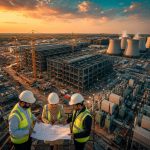
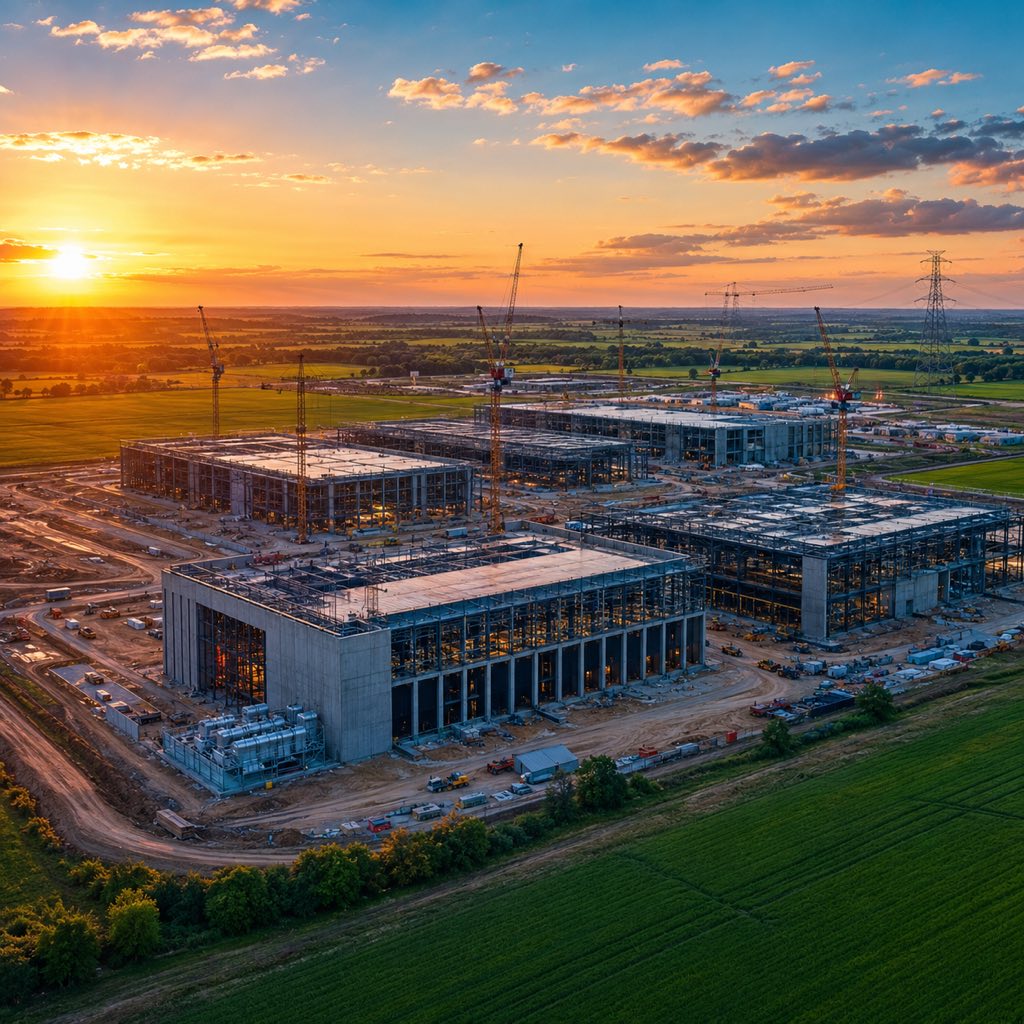
On July 13, 2026, Meta confirmed it would expand its Hyperion data center campus in Richland Parish, Louisiana, from an original 2-gigawatt design to a 5-gigawatt target, according to reporting on the expansion. The project’s price tag grew alongside it: from an initial $27 billion buildout to more than $50 billion in total planned investment.
Meta expects to reach the original 2-gigawatt milestone by 2030, per the same reporting, with the full 5-gigawatt buildout targeted for around 2032, according to LouisianAI’s tracking of the project. The campus itself spans roughly 10 million square feet across 3,200 acres near Rayville in Richland Parish, and Meta has said it will support around 500 permanent jobs once operational, alongside 5,000 construction jobs during the buildout, per the same source. For context, energy-industry estimates commonly put one gigawatt of continuous electricity as roughly enough to power several hundred thousand average U.S. homes — meaning Hyperion at full 5-gigawatt scale is being built to draw power on the order of a mid-sized American city, dedicated entirely to AI computing.
Who’s Paying, and How
The expansion is financed through a mix of Meta’s own balance sheet and outside capital. The original joint venture, announced October 21, 2025, gave funds managed by Blue Owl Capital an 80% ownership stake against Meta’s 20%, with Blue Owl contributing approximately $7 billion in cash toward the original $27 billion project and Meta receiving a one-time distribution of roughly $3 billion, with additional debt raised through a private securities offering to PIMCO and other bond investors. BlackRock is also listed as an investor in the broader financing structure, according to Yahoo Finance’s coverage of the July 2026 expansion — though no new financial partner has yet been announced specifically for the expansion phase from 2 to 5 gigawatts.
Beyond the data center itself, Meta committed to more than $1 billion in local infrastructure improvements covering roads, water, and wastewater systems, and local Louisiana businesses had already landed $1.6 billion in contracts since construction began in December 2024.
Powering Hyperion: Seven Gas Plants and 240 Miles of Wire
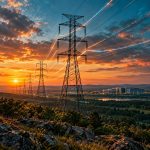
The most consequential detail in the expansion is not the data center itself but what it takes to power it. To supply Hyperion’s growing electricity demand, Meta is financing seven combined-cycle natural gas plants, grid-scale battery storage at three sites, and approximately 240 miles of high-voltage transmission infrastructure, built and operated through the regional utility Entergy Louisiana.
Meta and Entergy have estimated the combined benefit to Entergy’s broader customer base — from the grid upgrades and new generation capacity Meta is financing — at $2.65 billion. That figure is central to how Meta and Louisiana officials have publicly justified the deal: the argument that a single company’s data center buildout can subsidize grid improvements the state would otherwise have had to fund through ordinary utility rate increases. The full scope of that power package is currently under review by the Louisiana Public Service Commission (LPSC), and per LouisianAI’s tracking, includes more than 5,200 megawatts of additional generation, 500-kilovolt transmission lines, storage, nuclear plant uprates, and renewable generation — meaning the natural gas plants are only one part of a broader regulatory filing still being evaluated by state utility regulators.
Advertisement
The Deal Was Negotiated in Near-Total Secrecy
Not every account of Hyperion’s expansion has been celebratory. Reporting on the project’s local impact found that discussions between Meta, Louisiana Governor Jeff Landry’s administration, local officials, and Entergy occurred “with a high degree of secrecy,” with Governor Landry defending the closed-door approach by arguing that greater transparency could have jeopardized the deal.
The same reporting documented a concrete downside for residents: the arrival of large numbers of construction workers has increased demand for housing in the area, contributing to higher rents and pressure on local accommodation — a familiar pattern in communities hosting large-scale industrial buildouts, but one made more acute by the scale and speed of Hyperion’s expansion. The coverage framed the broader tension plainly: who ultimately benefits from the AI infrastructure boom, who bears its costs, and how much public oversight should accompany projects of this unprecedented scale.
Community Investment as Part of the Pitch
Meta has paired the expansion with local workforce commitments. The company is donating $5 million to Louisiana Delta Community College to fund scholarships training local residents for data center jobs, and every graduate from Richland Parish high schools beginning with the class of 2026 is eligible for a full scholarship covering data center-related trade certificates or coursework, according to Yahoo Finance’s reporting on the expansion.
Whether that workforce investment offsets the housing-cost pressure documented by local reporting is precisely the kind of question state and local officials will face repeatedly as similar-scale AI infrastructure projects are negotiated elsewhere — a tension between the direct economic benefits a hyperscaler brings and the secondary costs a host community absorbs.
What This Means for Regions Courting Hyperscale AI Investment
1. Separate headline investment figures from committed, contracted capital
A $50 billion “total investment” figure spans years and is not fully committed on day one. Regional and state officials evaluating similar hyperscaler pitches should ask specifically what capital is contractually committed versus aspirational, and should structure incentive packages with milestones tied to actual capacity delivered (megawatts online, jobs filled) rather than the headline number announced at signing.
2. Negotiate transparency requirements into the deal structure itself, not as an afterthought
Louisiana’s experience shows that even a state government willing to defend closed-door negotiations still faces public scrutiny once terms emerge. Jurisdictions negotiating hyperscaler deals should build a minimum disclosure standard into their own process — the ratepayer benefit estimate, the environmental review timeline, the housing-impact assessment — before finalizing terms, rather than defending secrecy after the fact.
3. Model housing and cost-of-living impact before construction begins, not after rents rise
The housing-pressure pattern documented in Richland Parish is predictable and has occurred around large-scale industrial and energy projects before. Local governments should require developers to fund or co-fund temporary workforce housing and monitor local rental markets from the start of construction, rather than treating rising rents as an unanticipated side effect once residents are already affected.
4. Scrutinize energy-financing arrangements for who actually captures the “customer benefit”
The $2.65 billion customer-benefit estimate tied to Meta’s grid investment is a useful headline figure, but regulators and ratepayer advocates should independently verify how that benefit is realized — whether through direct rate reductions, deferred rate increases, or simply avoided future capital expenditure the utility would have needed regardless. The distinction determines whether ordinary Entergy customers actually see lower bills or merely avoid a hypothetical future increase.
Where This Fits in 2026’s AI Infrastructure Boom
Hyperion’s expansion is one data point in a broader 2026 pattern of hyperscalers committing tens of billions of dollars to single-site AI campuses, each requiring dedicated power generation on a scale that rivals mid-sized utilities. What distinguishes the Louisiana case is the explicit pairing of massive private capital with public utility infrastructure — seven gas plants and 240 miles of transmission lines financed by a private company but operated through the regional grid — creating a hybrid arrangement that is neither purely private infrastructure nor purely public utility investment. As more states compete for similar projects, the Hyperion negotiation — its secrecy, its ratepayer-benefit framing, and its documented local housing impact — is likely to become the template regulators and community advocates point to, for better or worse, when evaluating the next hyperscaler deal that lands in their state.
Frequently Asked Questions
How big is Meta’s Hyperion data center expansion?
Meta expanded its Hyperion data center in Richland Parish, Louisiana from an original 2-gigawatt, $27 billion project to a 5-gigawatt target with more than $50 billion in total planned investment, announced July 13, 2026, according to Yahoo Finance’s reporting. Meta expects to reach the original 2-gigawatt milestone by 2030.
How is all that electricity being generated?
Meta is financing seven combined-cycle natural gas plants, grid-scale battery storage at three sites, and roughly 240 miles of high-voltage transmission infrastructure, built and operated through the utility Entergy Louisiana. Meta and Entergy estimate a combined $2.65 billion benefit to Entergy’s broader customer base from these investments.
What concerns have been raised about the deal?
Local reporting found that negotiations between Meta, Louisiana’s state government, and Entergy occurred with a high degree of secrecy, which Governor Jeff Landry defended as necessary to avoid jeopardizing the deal, according to coverage of the expansion’s local impact. The same reporting documented that the influx of construction workers has driven up local rents and housing demand in the area.
Sources & Further Reading
- Meta expands Louisiana Hyperion data center to 5GW and $50 billion — Yahoo Finance
- Meta’s $50 billion Louisiana AI data center sparks scrutiny — American Bazaar
- Meta Hyperion Data Center: Status, Power, Water — LouisianAI
- Meta Announces Joint Venture with Funds Managed by Blue Owl Capital to Develop Hyperion Data Center — Barchart
🔗 Related Intelligence

Meta’s $135B Gamble: Inside the 2026 Superintelligence Infrastructure Build

Meta Compute: A Fourth Hyperscaler Takes On AWS, Azure, and Google Cloud

Meta Deepens AI Infrastructure With 1B CoreWeave Deal
The Data Center Capacity Mirage: Why Committed Gigawatts Aren’t Getting Built