A Cable Named “Bridge” — and What It’s Bridging
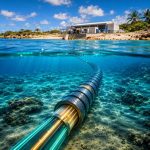
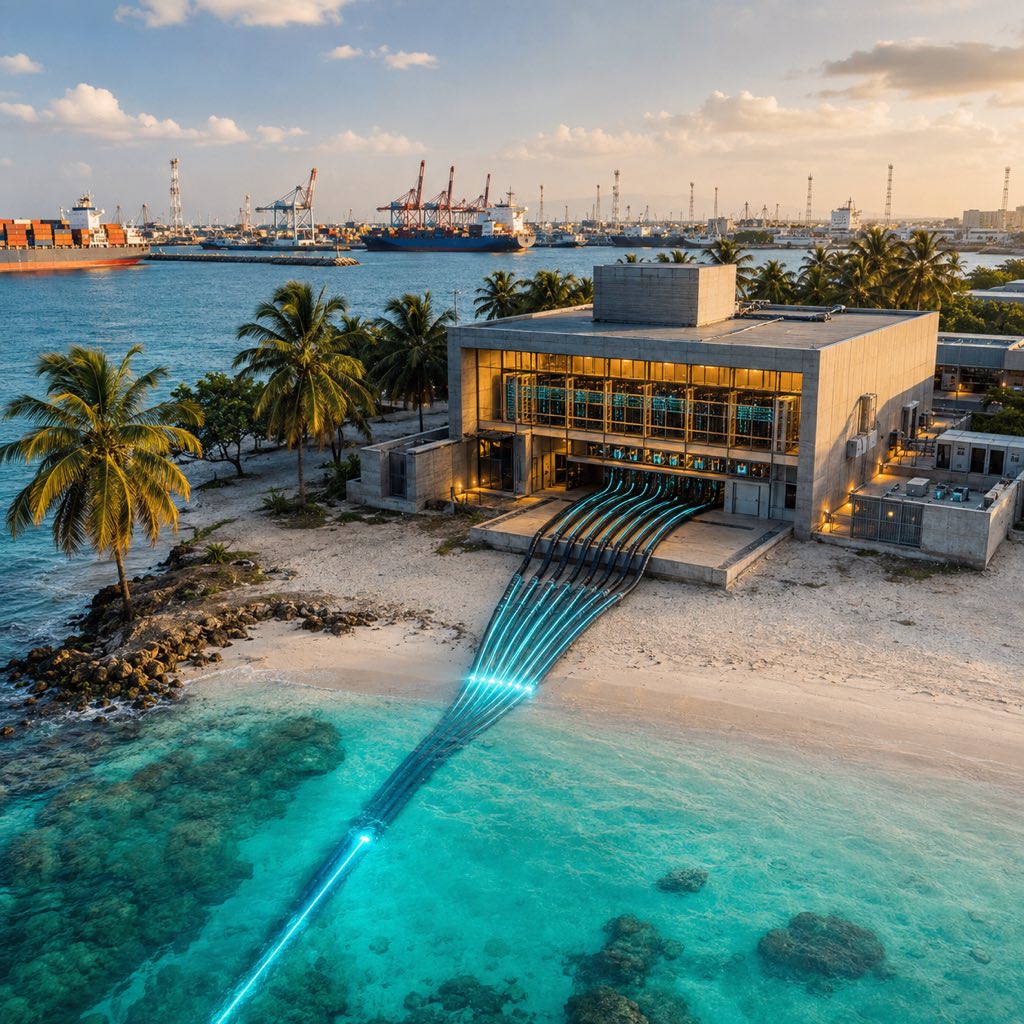
The Daraja cable — its name means “bridge” in Swahili — will run 4,108 kilometers between Salalah, Oman and Mombasa, Kenya, carrying 24 fiber pairs, according to Developing Telecoms’ coverage of the project. The system is fully funded by Meta’s Irish subsidiary, Edge Network Services Ltd., and is being built by Alcatel Submarine Networks (ASN), with a ready-for-service target of 2026. Meta selected Safaricom as the landing partner for Kenya, meaning Safaricom will land and operate the cable segment within Kenya’s territorial waters rather than depending on a third-party consortium — a structural shift Developing Telecoms describes as Safaricom’s first international subsea cable under its own direct control.
That direct-control detail matters more than it might first appear. Developing Telecoms reports the move reflects Safaricom’s effort to reduce dependence on third-party cable providers and strengthen network resilience following previous cable damage incidents — a reference to the recurring problem of accidental anchor drags and fishing-trawler damage that has periodically severed East African subsea cables and knocked entire countries offline for days. Owning and operating a landing segment directly gives Safaricom more control over repair prioritization and maintenance scheduling than being one client among many on a shared international consortium cable.
Safaricom CEO Peter Ndegwa framed the investment around capacity demand rather than resilience alone: the cable positions the company to “meet the surging demand for high-capacity, low-latency connectivity which is critical for powering economic growth, cloud adoption and digital innovation,” Ndegwa said, according to Developing Telecoms.
Daraja Is One of Two Cables Racing to Reach Mombasa
Daraja is not arriving in isolation. TechTrends Kenya reports a second system, Africa-1, running from France through Africa to the Middle East, is also expected to land in Mombasa, though on a slightly longer timeline — arrival is projected for 2027 rather than 2026. Both systems are converging on the same landing point at a moment when TechTrends Kenya’s analysis of the first quarter of 2026 data shows Kenya’s international bandwidth capacity grew 16.4 percent in a single quarter. That growth took total capacity from roughly 24,161 Gbps to about 28,130 Gbps. The single largest contribution came from SEACOM, whose own capacity rose from about 6,850 Gbps to 10,500 Gbps over the same period.
Despite that growth, TechTrends Kenya notes Kenya currently has just 7 submarine cable landings, placing it behind regional peers Egypt (15 landings), Djibouti (12), South Africa (9), and Nigeria (8) — a gap that explains why both Daraja and Africa-1 represent meaningful infrastructure catch-up rather than incremental capacity addition. On the demand side driving that need, the same analysis puts Kenya’s mobile broadband subscriptions at 52.9 million and mobile data subscriptions at 62.6 million, with monthly mobile data consumption exceeding 800 million GB and average usage per subscription rising to 15.1 GB, up from 14.6 GB the previous period.
Advertisement
Why Meta Is Funding a Second Cable Into Kenya
Submarine Networks reports Daraja is Meta’s second submarine cable connecting to Kenya, following the earlier 2Africa cable system — meaning Meta is now backing two separate, physically distinct routes into the same country rather than relying on a single point of failure. For a company whose products (Facebook, Instagram, WhatsApp) depend on consistent low-latency connectivity to remain usable and ad-monetizable across East African markets, funding redundant subsea infrastructure is a direct hedge against the outage risk that periodically knocks entire countries’ internet access offline when a single cable is damaged.
The Salalah, Oman landing point is also a strategic choice: it connects Kenya’s east coast directly to a Gulf hub rather than routing exclusively through older Europe-Africa or Asia-Africa cable corridors, giving Kenya a more direct path to Middle Eastern and South Asian data traffic and cloud regions — relevant as more global cloud providers stand up infrastructure in the Gulf.
What This Means for East African Digital Infrastructure
1. Expect bandwidth-dependent sectors to price in lower latency and higher resilience by 2026-2027
Cloud service adoption, streaming, and enterprise SaaS usage in Kenya have historically been constrained by both cost and reliability of international bandwidth. Businesses planning cloud migrations or latency-sensitive deployments in East Africa should factor Daraja’s 2026 target date and Africa-1’s 2027 target into procurement timelines, since landing dates for new capacity typically precede meaningful price and reliability improvements by several months to a year.
2. Treat cable landing diversification as a resilience metric, not just a capacity one
Kenya’s current position — 7 landings versus 15 for Egypt — means outages from cable damage have historically had an outsized impact relative to more cable-diverse markets. Enterprises and ISPs operating in Kenya should track landing-point diversification (not just aggregate Gbps growth) as the more meaningful resilience indicator, since a single cable cut in a market with few alternative routes causes more severe disruption than the same cut would in a market with a dozen landings.
3. Watch Safaricom’s shift toward direct cable ownership as a template for other African operators
Safaricom taking direct control of an international cable segment — rather than remaining purely a capacity buyer on a shared consortium system — signals a maturing model other major African telecom operators may replicate as traffic volumes justify the capital investment. Operators in markets with similarly concentrated cable ownership should watch whether this model produces measurably better repair times and pricing leverage for Safaricom over the next contract cycle.
The Bigger Picture for Mombasa as a Regional Landing Hub
Two new cables converging on the same Kenyan port within roughly a year of each other is not a coincidence — it reflects Mombasa’s position as the most viable East African landing point for traffic moving between the Gulf, South Asia, and the African interior via Kenya’s existing terrestrial fiber backbone. As both Daraja and Africa-1 come online, Mombasa’s role shifts from a single-cable dependency risk to a genuine regional hub with route diversity, which historically correlates with falling wholesale bandwidth prices as landing operators compete rather than hold effective monopoly pricing power. For a country whose mobile data consumption is already climbing past 800 million GB monthly and rising, the real test will be whether that new capacity translates into lower retail data prices for Kenyan consumers and businesses, or is absorbed primarily by continued subscriber growth without meaningfully improving affordability.
Frequently Asked Questions
What is the Daraja cable and when will it be ready?
Daraja is a 4,108-kilometer subsea cable linking Salalah, Oman to Mombasa, Kenya, funded by Meta’s Edge Network Services subsidiary and built by Alcatel Submarine Networks, with a target ready-for-service date in 2026. Safaricom will operate the Kenyan landing segment directly.
How many submarine cables does Kenya currently have, and how does that compare regionally?
Kenya currently has 7 submarine cable landings, behind Egypt (15), Djibouti (12), South Africa (9), and Nigeria (8), according to TechTrends Kenya’s analysis — a gap Daraja and the Africa-1 cable are intended to help close.
Why is Safaricom operating this cable directly instead of joining a shared consortium?
Developing Telecoms reports the direct-control model reflects Safaricom’s push to reduce dependence on third-party cable providers and strengthen network resilience after previous cable damage incidents disrupted service, giving the company more direct control over repair prioritization than it would have as a client on a shared system.
Sources & Further Reading
🔗 Related Intelligence
Orange’s 20,000km ‘Via Africa’ Cable and the Subsea Race Redrawing Africa’s Bandwidth Map

Via Africa Cable: How a New Atlantic Subsea Route Will Reshape African Cloud Access

Via Africa: Orange’s 20,000km Atlantic Cable and What It Means for West Africa’s Cloud Future

Sovereign Cloud in Africa: Kenya, AfriCloud, and the Pan-Continental Strategy