
🧭 Decision Radar
Relevance for Algeria
Medium
▾
Infrastructure Ready?
Partial
▾
Skills Available?
Yes
▾
Action Timeline
12-24 months
▾
MPT, Ministry of Energy, Ministry of Environment, Sonelgaz, local wilaya authorities
Decision Type
Regulatory
▾
Quick Take: The 135-day construction pause in Memphis shows that community resistance over water, power, noise and air quality can halt data-centre expansion even after a flagship operator like SpaceXAI moves in. Algerian policymakers planning digital infrastructure zones should pair power allocation with upfront environmental and cooling-water rules so projects do not face retroactive freezes.
From City Hall Turmoil to a 135-Day Construction Freeze
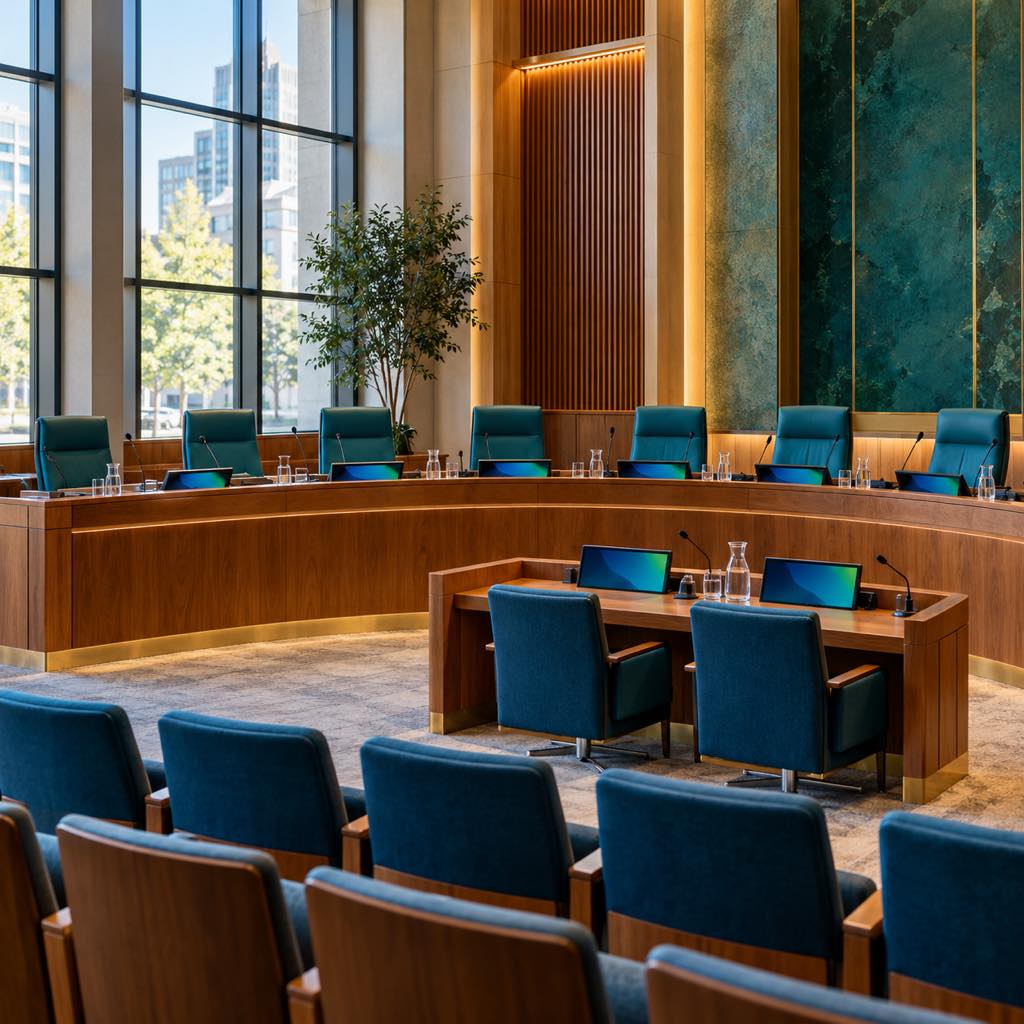
At a council meeting on Tuesday 20 October 2026, Memphis leaders rejected a longer data-centre moratorium and instead passed a substitute ordinance halting data-centre construction for 135 days. Before turning to the shorter pause, council members deadlocked 6-6 on the longer moratorium on new data centres and expansions, under which existing legally operating facilities would not have been shut down.
The vote followed weeks of public friction. An earlier vote on 6 October was postponed to 20 October after the meeting was halted amid turmoil, with more than 100 people attending and a fight spilling into the lobby.
Rather than imposing a longer freeze, councillors aligned the temporary halt with city hall’s review timetable. The new ordinance complements Mayor Paul Young’s order for a 90-day study of data-centre impacts.
SpaceXAI’s Colossus and Rising Community Pushback
At the heart of the controversy is rapid AI infrastructure buildout in the region. The debate is centred on facilities tied to Elon Musk’s SpaceXAI, which began converting a former industrial site in southwest Memphis into its Colossus supercomputer operation in 2024.
Local opposition has focused on tangible environmental and neighbourhood pressures. Residents have raised concerns about air quality, water and energy use, and noise, while the NAACP filed a federal Clean Air Act lawsuit over gas turbines at SpaceXAI’s Southaven, Mississippi, site.
Memphis is not an isolated case of public hesitation. A Pew Research Center survey cited by CBS found over half of Americans are uncomfortable with a new data centre in their area.
Advertisement
What This Means for Algeria
The Algeria hook is indirect: this is a municipal governance dispute in Tennessee and neighbouring Mississippi. Still, the underlying triggers—water consumption, energy demand, turbine emissions and neighbourhood noise—apply directly to any North African city or industrial zone seeking to host large-scale compute.
1. Assess water, air and noise impacts before permits are issued
Memphis opted for a 90-day study and a 135-day construction halt only after residents protested over water use, energy draw, noise and gas turbines. Algerian planners can avoid reactive pauses by building clear environmental and cooling-water thresholds into initial data-centre zoning rules.
2. Regulate on-site backup and bridging power transparently
The federal Clean Air Act lawsuit filed by the NAACP over gas turbines at the Southaven site highlights the legal risk of unvetted on-site power generation. Where Algerian data centres rely on dedicated gas turbines or generators, emissions standards should be settled upfront.
3. Treat local community buy-in as project infrastructure
With a Pew Research Center survey showing over half of Americans uncomfortable with a nearby data centre, public trust is now a scheduling variable. Engaging municipalities early around utility impacts helps prevent the kind of civic deadlock seen in Memphis.
The Bigger Picture
Converting a former industrial site into a supercomputer campus in 2024 gave SpaceXAI speed, but the subsequent 6-6 council split and 135-day construction halt show the limits of moving faster than local consensus. As AI facilities grow larger, environmental scrutiny over water and power is becoming a decisive factor in whether expansions proceed on time.
Frequently Asked Questions
What did the Memphis City Council decide on 20 October 2026?
Council members deadlocked 6-6 on a longer moratorium on new data centres and expansions, then passed a substitute ordinance halting new data-centre construction for 135 days. The measure complements Mayor Paul Young’s order for a 90-day study of data-centre impacts.
Why have data centres sparked protests in Memphis?
The debate centres on facilities linked to Elon Musk’s SpaceXAI, which began converting a former industrial site in southwest Memphis into its Colossus supercomputer operation in 2024. Residents have raised concerns about air quality, water and energy use, and noise, and the NAACP filed a federal Clean Air Act lawsuit over gas turbines at SpaceXAI’s Southaven, Mississippi, site.
Why was the council vote delayed earlier in October?
An earlier vote scheduled for 6 October was postponed to 20 October after the council meeting was halted amid turmoil. More than 100 people attended that session, and a fight spilled into the lobby.
Sources & Further Reading
🔗 Related Intelligence

Texas vs. Virginia: The Data Center Capital of the World Is Shifting

Africa’s Data Center Boom: 360 MW Live, a Chronic Energy Gap, and the Hyperscaler Delay

Data Centers as Power Catalysts: Africa’s Cloud Boom Modernizes Its Energy Grid

Sovereign Cloud Rising: How African Nations Are Building Local Data Infrastructure