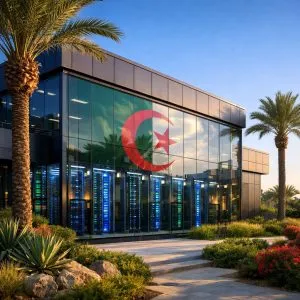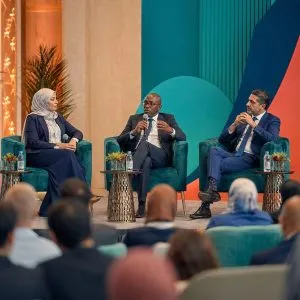
Algiers hosted Global Africa Tech 2026 at the Abdelatif Rahal International Conference Center from March 28 to 30, the first pan-African summit dedicated to digital sovereignty. For Algerian CIOs, CTOs, and platform engineers, the three-day event was less a conference and more a signal: the next wave of cloud infrastructure, training, and procurement decisions in Algeria will be filtered through a sovereignty-first lens.
What the summit was actually about
Unlike previous regional tech events focused on adoption and innovation metrics, Global Africa Tech 2026 framed its agenda around three interlocking questions:
- Where does compute physically sit? Which workloads can remain on foreign hyperscalers, and which must move to domestic or regional facilities?
- Who controls the software stack? Open-source alternatives, African-built tooling, and the trade-offs with proprietary enterprise software.
- Who trains the people? Local talent pipelines for cloud, security, and AI roles that reduce dependence on imported expertise.
The summit brought together ministers, telecom operators, cloud providers, research institutions, and development-finance actors from across the continent. It produced a set of commitments around infrastructure investment, joint-training programs, and procurement preferences that will shape 2026-2027 roadmaps.
The Huawei–Mohammadia partnership
One of the most concrete outcomes relevant to Algerian technologists was the partnership signed between Huawei and the École Nationale Polytechnique d’El Harrach / Mohammadia engineering ecosystem. The agreement covers joint-training tracks for cloud, AI, and networking certifications, hands-on lab access, and a pipeline for Algerian engineers to work on regional infrastructure projects.
For local CIOs, this translates into three practical implications:
- A growing pool of Algerian engineers with vendor-certified cloud and AI skills
- Lower training costs for teams adopting Huawei Cloud, OceanStor, or related stacks
- A clearer on-ramp for Algerian talent to contribute to pan-African infrastructure builds
The partnership is one of several announced at the summit; similar tracks with other vendors and training institutions are expected through 2026.
What the Algerian cloud landscape looks like today
According to Data Center Map, Algeria currently lists a handful of colocation and provider facilities, with several more announced and under construction. The Data Center Platform country profile tracks rising investment as the national SNTN strategy is executed. The U.S. Trade Administration’s information-and-communications-technologies guide highlights the cloud segment as one of the fastest-growing parts of the Algerian ICT economy, with opportunities in hybrid-cloud, managed services, and vertical SaaS.
This backdrop matters because the sovereignty agenda is not abstract. Each new colocation site, each new managed-service offering, and each new training cohort moves specific workloads off foreign hyperscalers and into domestic or pan-African stacks.
What CIOs should plan for in 2026-2027
Re-score your cloud portfolio. Not every workload needs to move. But CIOs should now maintain an explicit map of which applications, datasets, and inference endpoints run where — and why. Workloads handling personal data, public-sector records, or regulated sectors should be first in line for evaluation.
Negotiate multi-cloud clauses. New contracts with hyperscalers or regional providers should include portability commitments, data-export SLAs, and exit clauses that make migration viable if policy or economics shift.
Invest in certified local talent. The Huawei-Mohammadia and equivalent training tracks are directly relevant. Budgeting now for staff certifications in cloud, security, and AI reduces the dependency on expatriate consultants in 2027-2028.
Engage with procurement preferences. Expect public-sector procurement to increasingly reward providers with local data-center presence, local-language support, and regional training commitments. If you sell to government or state-owned enterprises, these criteria are becoming scoring factors, not just marketing talking points.
Pilot African cloud options. Beyond the three major global hyperscalers, providers with African points of presence are expanding. Running a real pilot — even a small one — builds the operational knowledge to make bigger decisions later.
Advertisement
The broader significance
Algeria’s hosting of the first pan-African digital sovereignty summit places it at the center of a continental conversation about compute, data, and talent. This is complementary to the country’s ongoing fiber rollout and the Oran AI data center initiative: together they describe an infrastructure and policy stack oriented toward keeping more of the digital value chain — and the decisions that shape it — closer to home.
Bottom line
The summit did not change any laws on March 30. But it did set an agenda that Algerian CIOs and CTOs will encounter repeatedly over the next 18 months in procurement tenders, training budgets, and cloud-architecture reviews. Treating digital sovereignty as a serious planning dimension — rather than a slogan — is the right posture for 2026.
What Algerian CIOs and Platform Architects Should Prioritise Now
The summit produced commitments, not yet regulations. That means the current window — roughly 12 to 18 months — is the highest-leverage moment to shape how sovereignty requirements are operationalised in your organisation before they arrive as procurement mandates. The three priorities below are drawn from what CIOs at Algerian public enterprises and large private firms have already begun doing since the March summit.
1. Score Your Workload Portfolio Against a Three-Tier Residency Framework
Not all workloads have the same sovereignty exposure. Build a three-tier classification: Tier 1 (must stay local — citizen personal data, public-sector records, financial transactions under CCP or SATIM rails), Tier 2 (preferred local with documented justification for exceptions — enterprise ERP, HR systems, supplier data), and Tier 3 (can remain on foreign hyperscalers with contractual portability — development environments, non-sensitive SaaS, global collaboration tools). This classification forces explicit trade-off decisions and produces the workload map that procurement, legal, and architecture teams all need. The U.S. Trade Administration’s Algeria ICT guide identifies hybrid-cloud adoption as the fastest-growing segment of Algerian enterprise IT spending — organisations with a clear tier-one workload list are winning those procurements faster than those still using ad-hoc decisions.
2. Negotiate Portability-First Clauses Into Every New Cloud Agreement
New contracts with hyperscalers or regional providers signed after March 2026 should include three explicit terms: a data-export SLA specifying that customer data can be extracted in a standard format within 30 days of notice; a portability test conducted annually at no cost that proves the export actually works; and a jurisdiction clause specifying that contract terms comply with Algerian data-handling law and the sovereignty commitments of the Algiers Declaration. The Huawei-Mohammadia partnership model shows that vendor relationships can incorporate training and local-talent obligations alongside technical service commitments — the same negotiating dynamic applies to cloud contracts. Organisations that don’t negotiate these terms now will find them much harder to insert at renewal in 2028, when sovereignty-compliance scoring will likely appear in public tender criteria.
3. Fund One Certified Engineer Cohort Through Huawei-Mohammadia or an Equivalent Track by Q3 2026
Sovereign cloud strategy fails if the organisation cannot operate the infrastructure it moves to. The Huawei-Mohammadia partnership creates a certified talent pipeline for cloud, AI, and networking roles — but organisations need to activate it proactively rather than wait for engineers to emerge from the programme on their own. Identify five to ten current staff who can complete vendor-certified cloud or cybersecurity credentials through the partnership tracks, budget the time and fees, and create a retention commitment tied to the certification. Data Center Map’s Algeria tracking and the Data Center Platform country profile both show Algeria’s domestic hosting capacity growing fastest in organisations that have simultaneously invested in local talent — the correlation is not accidental. Infrastructure without operators depreciates; talent without infrastructure underutilises. Build both in the same cycle.
The Bigger Picture
Algeria’s hosting of Global Africa Tech 2026 is not just a conference outcome — it is a positioning signal at the continental level. By organizing the first pan-African digital sovereignty summit, Algeria placed itself at the center of a governance conversation that will shape procurement rules, training standards, and infrastructure investment across the continent for the next decade. That positioning has compounding value: the relationships built between ministers, operators, and institutions at the March summit will influence which countries set interoperability standards, which training frameworks get adopted regionally, and which infrastructure providers earn preferred-partner status in pan-African tenders.
For Algerian technology organizations, the summit’s significance is most visible in its three-way overlap with the country’s existing infrastructure agenda: the Oran AI data center initiative, the ongoing fiber rollout, and the ARPCE cloud-certification framework under Law 22-39. Together, these represent an infrastructure and policy stack oriented toward keeping more of the digital value chain within Algerian and African control. The Huawei-Mohammadia partnership is one concrete output; the deeper output is the institutional expectation — among both Algerian organizations and their continental peers — that sovereignty requirements are now a planning factor, not a rhetorical one.
The next 18 months will test whether the summit’s commitments translate into procurement criteria, training enrollment, and workload migration decisions. Organizations that treat the summit as a signal and act before mandates arrive will be better positioned for the public tenders, partnership frameworks, and talent pipelines that are already being designed around a sovereignty-first lens.
Frequently Asked Questions
What was Global Africa Tech 2026?
It was the first pan-African summit dedicated to digital sovereignty, held in Algiers from March 28 to 30 at the Abdelatif Rahal International Conference Center. It convened ministers, operators, cloud providers, and institutions from across the continent.
What is the Huawei–Mohammadia partnership?
It is a joint-training agreement covering cloud, AI, and networking certifications between Huawei and the École Nationale Polytechnique ecosystem, creating a new pipeline for Algerian engineers.
Does sovereignty mean leaving AWS, Google Cloud, or Azure?
No. It means making explicit, justified decisions about which workloads sit where, negotiating portability into contracts, and building domestic capacity where it is strategically important. Most organizations will remain multi-cloud.