The Scale of the Crisis
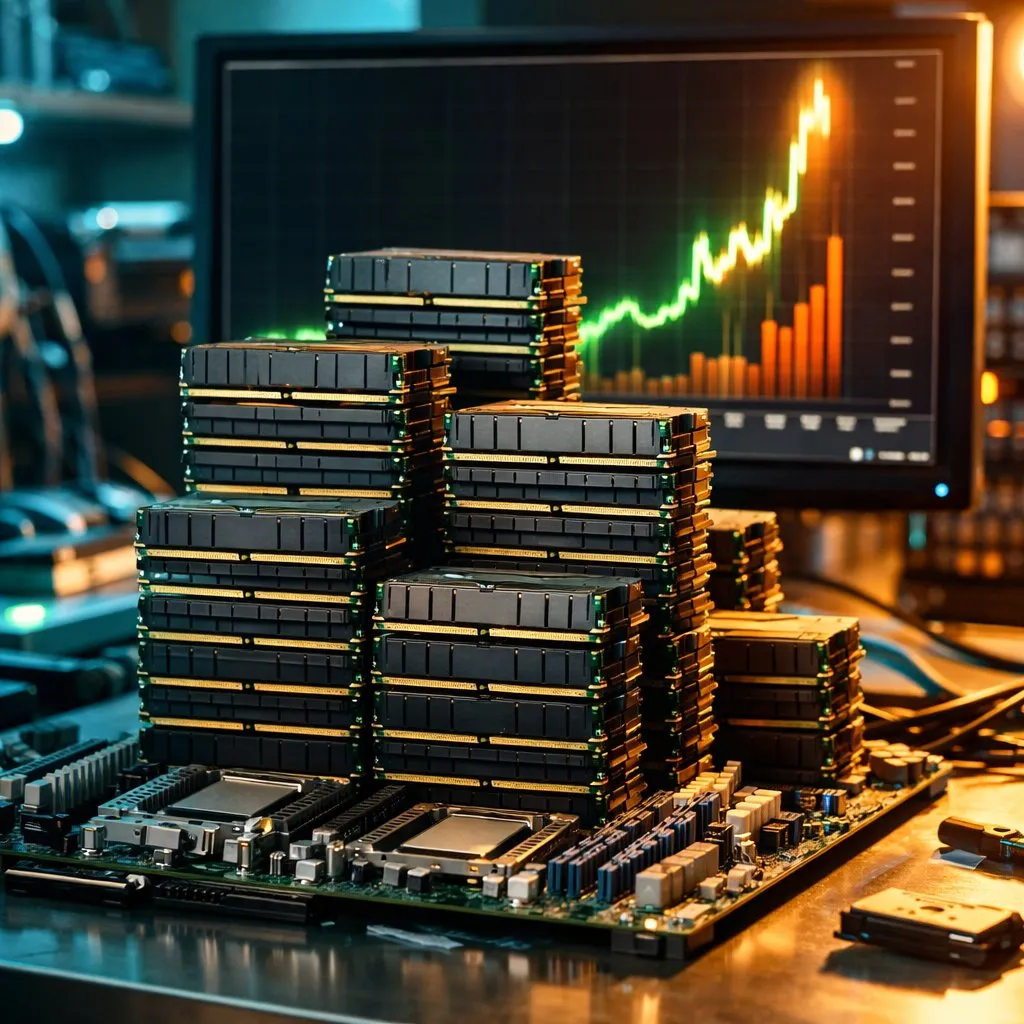
The tech industry is facing an unprecedented memory shortage that has earned its own name: RAMageddon. DRAM prices surged 172% year-over-year through 2025, and the escalation has intensified in 2026. TrendForce reports that conventional DRAM contract prices surged 90-95% quarter-over-quarter in Q1 2026, with PC DRAM hitting 105-110% QoQ increases and server DRAM posting a record 90% quarterly jump.
Samsung raised prices for 32GB DDR5 modules from $149 to $239, a 60% increase. DDR5 contract pricing has climbed more than 100%, reaching nearly $19.50 per unit from around $7 in early 2025. As Silicon Motion CEO Wallace Kou put it: “We’re facing what has never happened before — HDD, DRAM, HBM, NAND… all in severe shortage in 2026.”
Goldman Sachs projects a DRAM undersupply of roughly 4.9% in 2026, calling it “the most severe one during the last 15+ years,” with a further 2.5% undersupply expected in 2027.
Why AI Is the Root Cause
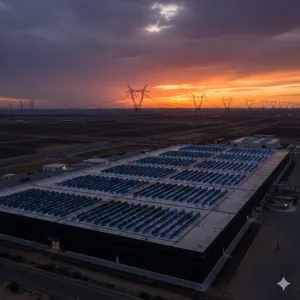
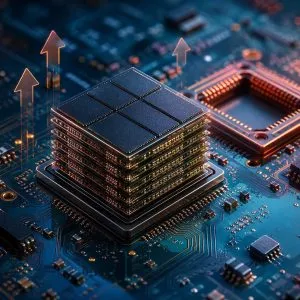
The crisis traces directly to High Bandwidth Memory (HBM), the specialized memory chips that sit atop AI accelerator GPUs. Producing one bit of HBM consumes approximately three times the wafer capacity required to produce one bit of standard DDR5. As Samsung, SK Hynix, and Micron — who control approximately 95% of global DRAM output — allocate increasing wafer capacity to HBM for contracts with AI infrastructure providers, the supply of conventional DDR4 and DDR5 contracts sharply.
AI now consumes 20% of total DRAM production, up from single digits two years ago. Server-related memory accounts for more than 50% of total DRAM demand in 2026, driven by the global buildout of AI training and inference clusters. Memory manufacturers have limited incentive to rebalance: Goldman Sachs forecasts operating margins for major producers reaching 70-80%, near record territory, on the back of HBM’s premium pricing.
Advertisement
The Downstream Impact on Hardware Costs
Enterprise server prices are rising 15-30% as memory components that once represented 15-18% of system build cost have surged to approximately 35%. AWS raised GPU instance prices by 15% in January 2026, quietly increasing H200 EC2 Capacity Block rates from $34.61 to $39.80 per hour. OVH Cloud forecasts 5-10% price increases across all cloud providers by mid-2026, ending an era of declining per-unit compute prices.
On the consumer side, Lenovo, Dell, HP, Acer, and ASUS have warned of 15-20% PC price increases, with some projections reaching 30%. IDC analysis warns the shortage will also affect smartphone pricing and production volumes, particularly for flagship devices requiring larger memory configurations.
When Does the Shortage End?
Not soon. Samsung and SK Hynix warn the shortage will persist through at least late 2027. SK Group chairman Chey Tae-won has gone further, stating the shortage could last until 2030 with wafer supply trailing demand by 20%. Micron’s next DRAM factory is not expected to come online until 2030, and new fabrication capacity generally takes 18-24 months to ramp.
The fundamental dynamic is structural: as long as AI infrastructure buildout continues at its current pace, conventional memory will remain supply-constrained. The only scenarios that ease pressure are a significant slowdown in AI data center construction or a breakthrough in manufacturing technology that reduces HBM’s wafer capacity penalty.
Strategic Responses for Organizations
Organizations facing RAMageddon have several options. Cloud-first strategies can shift capital expenditure to operating expenditure, though cloud prices are also rising. Hardware refresh cycles should be accelerated before further price increases take hold. Memory-efficient software architectures and optimization of existing infrastructure become more valuable when every gigabyte costs significantly more.
For the broader tech industry, RAMageddon is a reminder that the AI revolution does not exist in isolation. The resources powering AI advancement are being drawn from a finite semiconductor supply, and the costs are being distributed across the entire technology stack.
Frequently Asked Questions
What is RAMageddon and why is it happening in 2026?
RAMageddon is the industry term for the global memory shortage caused by AI data centers consuming massive amounts of High Bandwidth Memory (HBM). Producing one bit of HBM requires three times the wafer capacity of standard DDR5, so as manufacturers prioritize HBM for AI chips, conventional memory supply contracts. Goldman Sachs calls the resulting 4.9% undersupply the worst in 15 years.
How much will servers and PCs cost more in 2026?
Enterprise servers are seeing 15-30% price increases as memory now represents 35% of build cost, up from 15-18%. Consumer PCs from Lenovo, Dell, HP, Acer, and ASUS face 15-20% price hikes, with some projections reaching 30%. AWS has already raised GPU instance prices by 15%, and other cloud providers are expected to follow by mid-2026.
When will memory prices return to normal?
Samsung and SK Hynix warn the shortage will persist through at least late 2027. SK Group’s chairman has indicated it could last until 2030, with wafer supply trailing demand by 20%. Micron’s next DRAM factory is not expected online until 2030, making a return to 2025 pricing levels unlikely in the near term.
Sources & Further Reading
- RAMageddon: AI-Starved DRAM Supply Sparks Shortage Crisis — AInvest
- Memory Price Outlook for Q1 2026 Sharply Upgraded — TrendForce
- RAM Shortage 2026 Explained: Why AI Is Causing a DDR5 Crisis — Wccftech
- AWS Raises GPU Prices 15% — The Register
- Samsung and SK Hynix Warn Memory Shortages Will Persist Into 2027 — Data Center Dynamics
- SK Group Chairman Says Shortage Could Last Until 2030 — Tom’s Hardware
- The Era of Cheap PCs May Be Over — Tom’s Guide