
🧭 Decision Radar
Relevance for Algeria
Medium
▾
Infrastructure Ready?
Partial
▾
Skills Available?
Partial
▾
Action Timeline
Monitor only
▾
Algeria Venture, Algerian app developers, digital businesses and legal teams
Decision Type
Strategic
▾
Quick Take: Examine the evidence connecting store charges and the app’s own pricing. The UK hearings test a disputed consumer claim; they do not establish a local payout or a proven overcharge.
October hearings follow a listed reading week
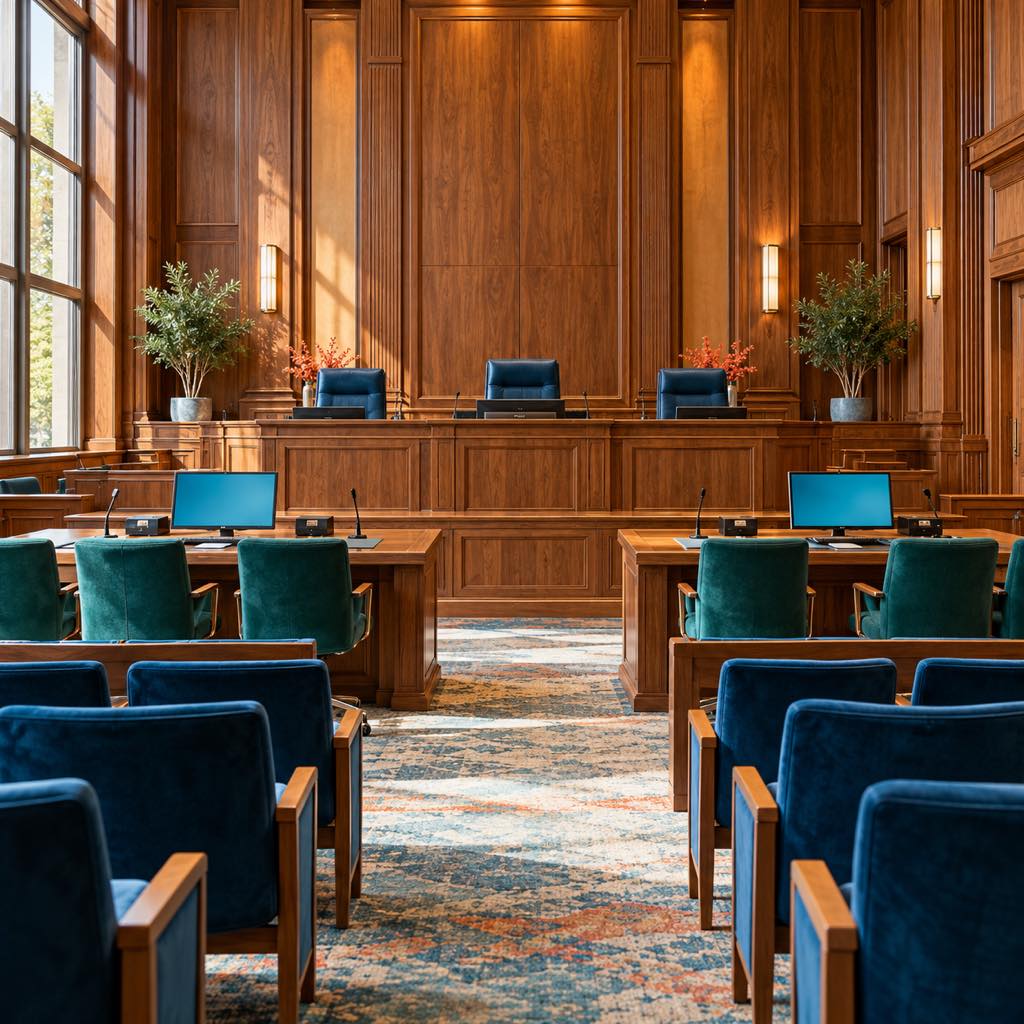
Hearings began on 6 October 2026 in the Coll v Alphabet case; the Competition Appeal Tribunal’s diary lists a hearing at 10.30am that day. Competition Appeal Tribunal This is a trial-hearing milestone, not an announcement that the consumer claim has been decided. The distinction matters before discussing the amount sought or the commission allegation.
The tribunal diary gives an estimated hearing duration of 8 weeks. Competition Appeal Tribunal That is the official estimate used here. It should not be turned into a fixed completion date or a prediction about when a judgment will be available. A business monitoring the case should leave those later milestones open.
The case page lists trial commencement on 28 September 2026, with the first week designated as a reading week. Competition Appeal Tribunal This explains why the case page and hearing diary identify different points in the timetable. An account can preserve both dates without treating them as a contradiction or implying that the October hearings followed a newly filed claim.
For a management update, record the hearing stage separately from the eventual decision. A trial can be commercially important while its outcome remains undetermined. The timetable is useful for monitoring, but it does not by itself answer whether an overcharge occurred or how a court would assess a claimed loss.
The amount sought and the represented group
The consumer collective action seeks more than £1 billion in damages, PocketGamer.biz reports. PocketGamer.biz “Seeks” is essential: the amount is not compensation awarded. The supplied development provides no basis to describe Google as having been ordered to pay it or to assign an expected payout to an individual buyer.
According to PocketGamer.biz, the claim is brought on behalf of around 20 million UK consumers and businesses. PocketGamer.biz The approximate wording and UK scope should remain visible. This does not establish eligibility for an Algerian customer or a developer, and it should not be used as an estimate of affected users worldwide.
The claim alleges that Google charged developers excessive commissions of up to 30%, PocketGamer.biz reports. PocketGamer.biz Both “alleges” and “up to” belong in the sentence. The allegation is not a finding that every transaction carried that rate, nor a judicial conclusion that the commission was excessive.
For readers assessing the commercial question, the useful distinction is between the allegation about a developer charge and the claim about loss to buyers. A fee description alone does not quantify a particular consumer’s loss. The hearings should not be pre-empted by treating the alleged rate as a complete answer to the pricing question.
Advertisement
Purchase period and denial define the dispute
The claim concerns Google Play purchases made between 1 October 2015 and 31 July 2026, according to Geradin Partners. Geradin Partners That is the purchase period of this consumer claim. It should remain distinct from the hearing dates and should not be expanded into a statement covering every purchase made through the platform.
Google denies the allegations in the consumer claim, Geradin Partners reports. Geradin Partners Its denial needs to appear alongside the allegations rather than only after a conclusion implying liability. The hearing milestone changes the procedural position; it does not settle the competing accounts.
A clear case note would therefore keep separate fields for the purchase period, represented group, alleged charge, amount sought and procedural status. This is a recommendation for accurate reporting. None of those fields should be treated as proof of the others, and a headline sum should not substitute for the tribunal’s eventual assessment.
What Algerian developers can examine without assuming a payout
For Algerian developers and digital consumers, the connection is the question of how a store fee relates to downstream prices. The UK consumer trial provides a case to follow. It does not establish an Algerian overcharge, create a local compensation route or determine the revenue model of an individual app.
A developer could use the subject to review the assumptions connecting platform charges, its own pricing and the evidence behind revenue projections. An internal analysis should separate a known contractual input from an assumed pricing effect, and mark what would need further evidence. These are suggested business-review questions, not findings supplied by the trial.
The practical next step is to improve that analysis while following the proceedings. Keep the consumer claim’s UK scope, the estimate of hearing duration and Google’s denial in view. Until a decision supplies an outcome, the accurate story is that disputed allegations are being heard.
Frequently Asked Questions
Has the requested compensation been awarded?
No. The claim seeks damages. The hearing milestone does not establish liability or an award.
Why do the timetable dates differ?
The case page lists a reading week before the October hearings. The hearing diary identifies the later hearing date.
Has Google accepted the allegations?
No. Google denies the consumer claim’s allegations. The alleged commission rate remains disputed.
Sources & Further Reading
🔗 Related Intelligence

Google Search Data: A New DMA Enforcement Test

Google Cloud London Outage: How One Power Event Hit Banks and Tested Oversight Rules

Google’s Android Fine Goes Final: The New EU Antitrust Standard for Platforms

Google’s €890M DMA Fine: The EU’s First Penalty and What Gatekeepers Face Next