What the BMW Numbers Actually Prove
For two years, the humanoid robotics sector has been dominated by demo videos — robots folding laundry, picking strawberries, walking down staircases. BMW Spartanburg changed the conversation. It produced, for the first time, real production data from a real manufacturing line.
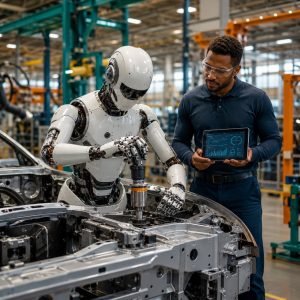
Figure 02 worked 1,250 operational hours, placed over 90,000 parts, hit 84-second cycle time targets required to match human operators, and recorded >99% placement accuracy. These are not demo metrics. They are the kind of numbers a plant manager uses to evaluate whether a robot belongs on the shop floor next quarter.
The deployment matters because automotive manufacturing is one of the hardest environments for a humanoid robot. It combines variable part geometry, time-pressured cycle economics, safety-critical physical positioning, and continuous operation requirements. A humanoid that works in automotive can plausibly work in warehouses, light assembly, and general manufacturing. One that only works on a curated demo stage cannot.
The Figure 03 Transition
BMW ran Figure 02. Figure's next-generation platform, Figure 03, is the version pushed toward pilot deployments in commercial sites during 2026. Figure 03 was engineered explicitly for warehouse and light-manufacturing economics — lighter chassis, improved end-effectors, lower per-unit manufacturing cost.
The key design shift: Figure 03 is built to be manufactured at scale, not hand-built as a prototype. This is the difference between a company that can sell five robots to BMW and a company that can deploy 5,000 robots across a logistics network.
BotQ's first-generation manufacturing line, per Figure's announcements, will initially produce up to 12,000 humanoid robots per year, with a target of 100,000 robots over four years. Those numbers are aggressive but not outlandish for a company that has just proven production readiness with a customer like BMW.
Why Warehouses Are the Next Target
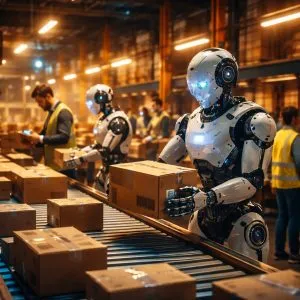
Warehouse deployment sits at the intersection of economic pressure and technical feasibility, which is why every humanoid robotics company — Figure, Agility, Apptronik, 1X, Unitree — is racing to stake out warehouse deployment as its commercial beachhead.
The economic pressure is acute. Amazon, Walmart, and major 3PLs face persistent warehouse labor shortages, rising hourly wages, and turnover rates above 100% in many facilities. A humanoid robot that handles picking, sorting, and loading tasks competitively with a human worker — at $5-8 per hour amortized cost including capital, maintenance, and downtime — generates enormous ROI at scale.
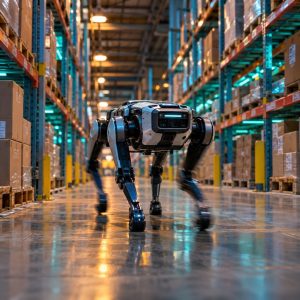
The technical environment is favorable. Warehouses have flat floors, structured shelving, consistent lighting, and repetitive task patterns. Each of these makes humanoid navigation and manipulation dramatically easier than open-world environments.
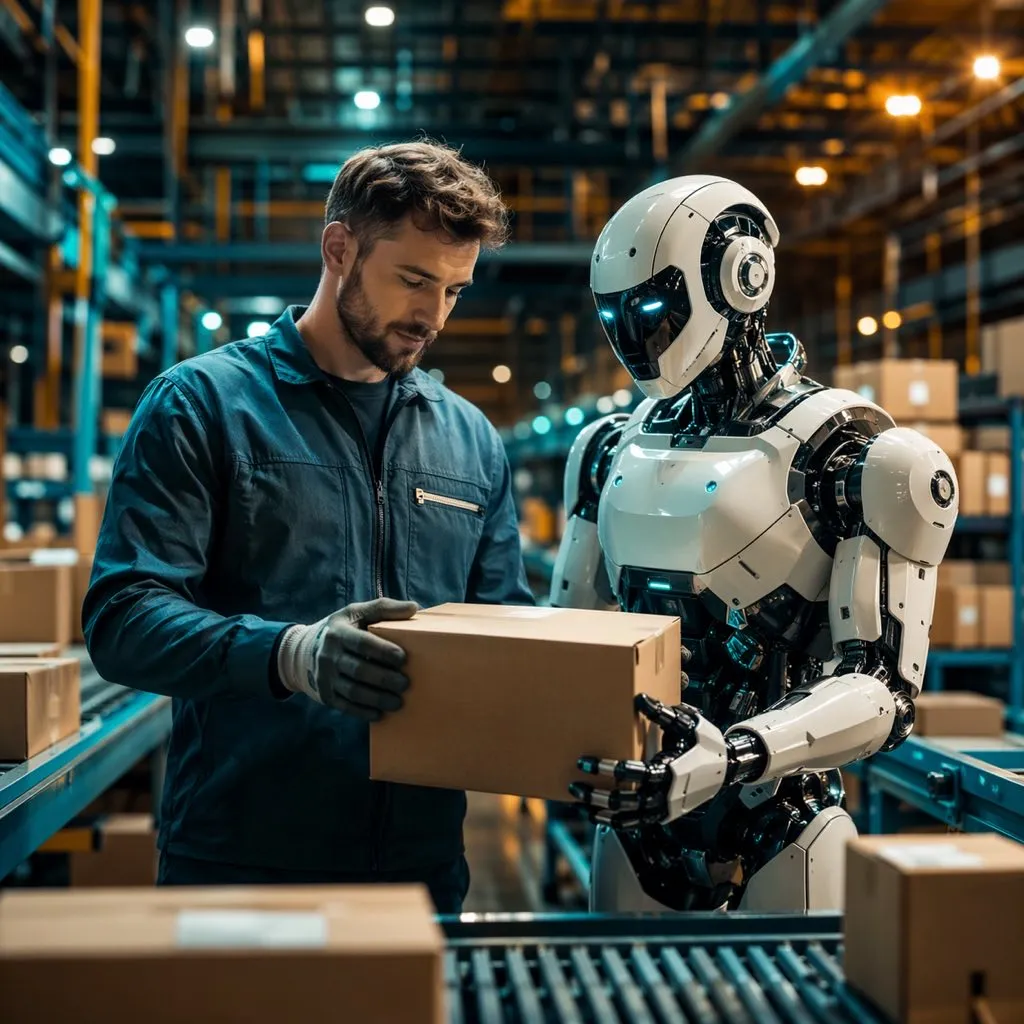
The deployment math works. A warehouse with 500 human pickers can absorb 50 humanoid robots without reorganizing operations. At Figure's projected 12,000-unit annual production, a handful of Fortune 500 customers can absorb the entire run.
Bank of America's forecast of 90,000 humanoid units shipped in 2026, scaling to 1.2 million by 2030, implicitly assumes warehouse and logistics absorption as the dominant deployment category. By 2027, deployment is expected to concentrate in warehousing and logistics (33%), automotive (24%), and general manufacturing (15%) — shares that track the addressable-market gravity rather than technical preference.
Advertisement
The Competitive Field
Figure is not alone. The humanoid sector has at least five companies that could credibly reach production-scale deployments in 2026-2027:
- Agility Robotics (Digit) — already deployed at GXO Logistics sites for pallet and tote handling
- Apptronik (Apollo) — Mercedes-Benz partnership for automotive manufacturing
- 1X Technologies (EVE, NEO) — focused on home and light commercial applications
- Unitree — Chinese manufacturer offering the H1 and G1 platforms at aggressive price points
- Tesla (Optimus) — vertically integrated with massive manufacturing capacity, though production timeline remains uncertain
Figure's differentiator is the combination of BMW production data, OpenAI-free autonomy (Figure ended its OpenAI partnership in early 2025 in favor of in-house models), and the BotQ manufacturing facility purpose-built for humanoid production. Whether these advantages translate to winning contracts against Agility's deployed footprint and Unitree's pricing remains the commercial question.
The Risks That Matter
Honest assessment: three risks could break the humanoid deployment thesis.
Unit economics at scale. Figure's BMW pilot is profitable for BMW because BMW paid a price that covered custom deployment support. At 12,000 units a year with generic customer deployments, margins compress. Whether the economics hold depends on how quickly Figure reduces manufacturing cost and field support requirements.
Regulatory friction. OSHA and equivalent regulators globally are still developing frameworks for humanoids in workplaces with humans. A serious workplace injury involving a humanoid could compress the deployment curve by months or years.
Reliability at high duty cycle. BMW's 1,250 hours are meaningful but short compared to annualized duty cycles. A fleet of 10,000 robots running 6,000+ hours per year will surface failure modes the pilot did not.
What Business Buyers Should Do in 2026
For logistics, manufacturing, and warehouse operators evaluating humanoid deployment, three practical steps matter.
First, pilot before you commit. The vendors are maturing fast but not uniformly. A 6-12 month pilot on a non-critical workflow lets you compare Figure, Agility, Apptronik, and others without betting operations on a single platform.
Second, build the integration layer now. Humanoids are only as useful as the warehouse management systems, WMS integration, and task-assignment software they connect to. Companies that wait until the robots arrive to build integration will lose 12-18 months of deployment velocity.
Third, plan for workforce transition. Humanoid deployment is not a headcount-zero plan. It shifts the composition of warehouse work toward fewer pickers and more technicians, integration engineers, and exception handlers. The workforce design is a 2026-2027 project, not a post-deployment afterthought.
Frequently Asked Questions
What did Figure's BMW pilot actually demonstrate?
Figure 02 operated at BMW's Spartanburg, South Carolina plant for 11 months, logging 1,250 operational hours and placing over 90,000 parts. The robots achieved greater than 99% placement accuracy and met the plant's 84-second cycle time targets — metrics comparable to human operators. It is the first publicly documented production-scale humanoid deployment in automotive manufacturing.
How many Figure robots will be manufactured?
Figure's BotQ manufacturing line will initially be capable of producing up to 12,000 humanoid robots per year, targeting 100,000 robots over four years. Industry-wide, Bank of America projects 90,000 humanoid units shipped in 2026 scaling to 1.2 million by 2030, with warehousing, logistics, automotive, and general manufacturing absorbing most of the deployment.
Who competes with Figure in humanoid warehouse robots?
Main competitors include Agility Robotics (Digit, deployed at GXO Logistics), Apptronik (Apollo, Mercedes-Benz partnership), 1X Technologies (EVE, NEO), Unitree (Chinese manufacturer with aggressive pricing on H1 and G1), and Tesla (Optimus, with uncertain timeline). Figure's differentiators are the BMW production data, the BotQ manufacturing capacity, and in-house autonomy models following its departure from the OpenAI partnership in early 2025.