No Driver, No Safety Operator, Real Fares
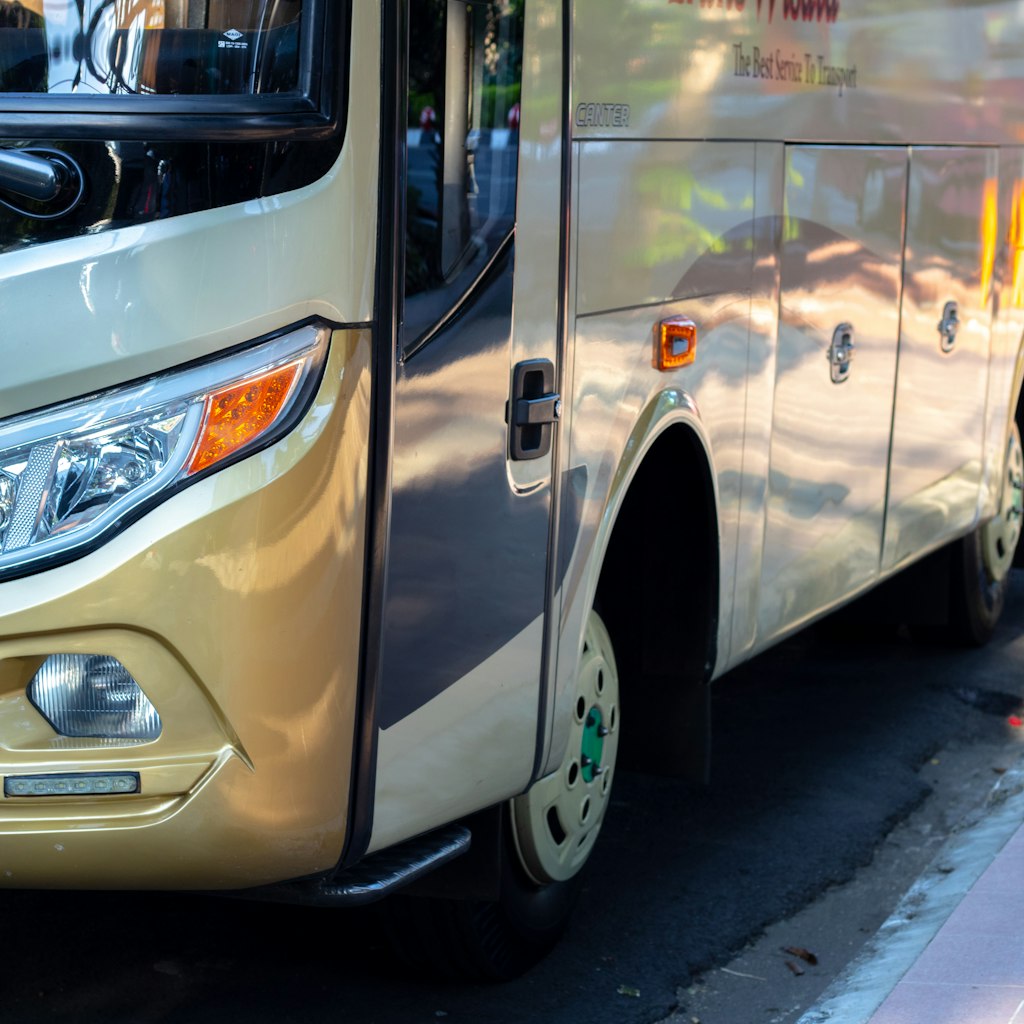
On March 31, 2026, Chinese autonomous driving company WeRide and ride-hailing giant Uber launched fully driverless robotaxi fare-charging operations in Dubai, marking the first commercial deployment of Level 4 autonomous vehicles in the Middle East with no human safety operator on board. Riders select the “Autonomous” option in the Uber app and are matched with a WeRide robotaxi that arrives, navigates traffic, and completes the trip entirely without human intervention.
Public commercial operations launched along routes in Jumeirah and Umm Suqeim, two of Dubai’s most popular coastal tourist districts. The service operates under Dubai’s Roads and Transport Authority (RTA), which granted WeRide a driverless vehicle trial permit in February 2026 following a supervised trial that began in December 2025. The progression from supervised to fully driverless operations in under four months demonstrates the regulatory agility that has made the UAE a preferred testing ground for autonomous mobility companies.
Local mobility operator Tawasul manages WeRide’s fleet in Dubai under an asset-light model, handling vehicle maintenance, fleet logistics, and regulatory coordination. This partnership template — local operator manages the physical fleet while the technology company provides the autonomous driving stack — may become the standard for robotaxi deployments in markets where foreign companies cannot directly operate vehicle fleets.
1,200 Vehicles Across Three Countries
The Dubai launch is part of a much larger commitment. In February 2026, WeRide and Uber agreed to deploy at least 1,200 robotaxis across the Middle East, spanning Dubai, Abu Dhabi, and Riyadh, with completion targeted as soon as 2027. WeRide currently operates more than 200 autonomous vehicles in the region, with Abu Dhabi vehicles completing up to 20 trips per day in 12-hour shifts.
Expansion zones include Dubai Silicon Oasis, Jabal Ali Industrial, Nad Al Sheba, and Al Hamriya Port. The industrial and port areas are particularly significant — these zones offer fewer pedestrian interactions and more predictable traffic patterns, ideal conditions for scaling autonomous operations rapidly.
The economic results are encouraging. WeRide’s Abu Dhabi operations are on track to achieve unit economic breakeven, a milestone that has eluded most robotaxi companies worldwide. The company’s Q3 2025 results showed 144.3% year-over-year revenue growth, with gross margins expanding to 33% from just 5% a year earlier and net losses narrowing by 71%.
Advertisement
Why Dubai Beats San Francisco
Dubai’s emergence as a global robotaxi hub is deliberate. The emirate has set a target of 25% of all trips handled by autonomous vehicles by 2030. This policy commitment, backed by clear regulatory frameworks and government investment, creates a more predictable environment than the patchwork of state and local regulations in the United States.
Dubai also offers favorable operating conditions: well-maintained roads, relatively predictable traffic, clear lane markings, and consistent weather during peak hours. For WeRide, the Middle East provides premium pricing, lower competitive pressure, and government partners actively facilitating deployment — a path to profitability that is difficult in China’s intensely competitive autonomous driving market.
WeRide vs. Waymo: Different Geographies, Different Strategies
WeRide, headquartered in Guangzhou, has emerged as one of the most internationally active autonomous driving companies. Since its Nasdaq IPO in October 2024, the company operates in eight countries with particularly strong Middle East and Southeast Asia traction. While competitors like Baidu’s Apollo and Pony.ai focused on the domestic Chinese market, WeRide built its strategy around international deployment.
The partnership with Uber is equally strategic. Uber provides the demand generation layer — the app, the brand, the user base — that autonomous vehicle companies cannot replicate. For Uber, the partnership offers autonomous rides without building its own self-driving technology, a bet it abandoned when it sold its autonomous driving unit to Aurora in 2020.
Meanwhile, Waymo raised $16 billion in February 2026 at a $126 billion valuation and plans to expand into 20+ cities including Tokyo and London. But Waymo’s operations remain US-concentrated, giving WeRide first-mover advantage in the Middle East where Waymo has no presence.
Frequently Asked Questions
Can anyone ride a WeRide robotaxi in Dubai?
Yes, the service is available to any Uber user in the coverage area. Riders select the “Autonomous” option in the Uber app and are matched with a WeRide robotaxi. The service currently operates in Jumeirah and Umm Suqeim districts, with expansion planned to Dubai Silicon Oasis, Jabal Ali Industrial, and other areas.
How does WeRide’s business model work in the Middle East?
WeRide uses an asset-light model where local partners like Tawasul manage fleet operations while WeRide provides the autonomous driving technology. This reduces regulatory and operational barriers in markets where foreign companies cannot directly operate vehicle fleets. Abu Dhabi vehicles are completing up to 20 trips per day, putting the operation on track for unit economic breakeven.
How many driverless robotaxis will operate in the Middle East?
WeRide and Uber committed to deploying at least 1,200 robotaxis across Dubai, Abu Dhabi, and Riyadh, with completion targeted as soon as 2027. Currently over 200 autonomous vehicles operate in the region. All vehicles will be bookable through the Uber app.
Sources & Further Reading
- WeRide and Uber Launch Fully Driverless Robotaxis in Dubai — Uber Investor Relations
- WeRide and Uber to Deploy 1,200 Robotaxis in the Middle East — WeRide IR
- Global Expansion: Record Revenue Growth of 144.3% — WeRide IR
- WeRide and Uber Launch Fully Driverless Robotaxis in Dubai — TechMoran
- Waymo Raises $16 Billion Investment Round — Waymo Blog
🔗 Related Intelligence

Humanoid Robotics Gold Rush: $14 Billion and the Race to Automate Warehouses

AV Liability: Who Is Liable When the Robot Crashes?
Industrial Robotics in Algeria: The State of Manufacturing Automation from Sonatrach to

Robotics Foundation Models: The Real Breakthrough Is Software, Not Hardware