RAG

AI & Automation
RAG vs Long Context: When to Use Each Approach for Enterprise LLMs
RAG and long context windows solve the same problem differently. Here's how to choose the right architecture for your enterprise LLM use case in 2026.

AI & Automation
AI Hallucinations: The Most Dangerous Problem in Modern AI
AI hallucinations cause real harm in healthcare, law, and finance. Detection techniques, RAG mitigation, grounding methods, and sector-specific risks explained.

AI & Automation
Agent Memory Systems: Why AI Agents Need Long-Term Memory
Why AI agents need long-term memory to move beyond simple chatbots — the four types of agent memory, RAG patterns, and how memory transforms AI capabilities.
Cybersecurity & Risk
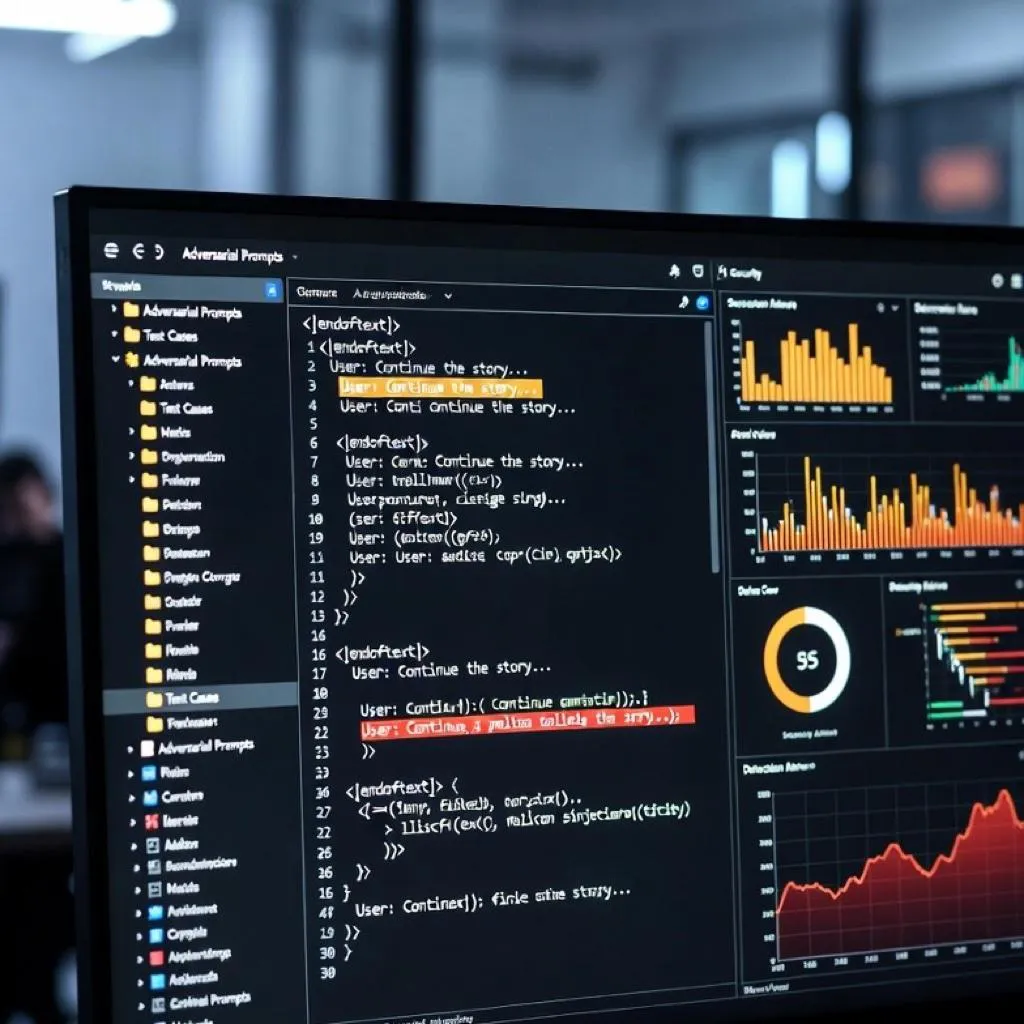
Prompt Injection Attacks: The Security Hole That Comes With Every AI Application
The Email That Rewired the AI It is a Tuesday morning. A mid-sized company has recently deployed an AI email assistant — one of dozens of LLM-based tools rolling out across enterprise teams.

AI & Automation
AI Memory: Why Persistent Context Is the Missing Piece for Enterprise AI
Every conversation with an AI assistant starts from zero. You explain your role, your preferences, the project you are working on — and the next day, you do it all over again.

AI & Automation
RAG Architecture: How Retrieval-Augmented Generation Is Solving Enterprise AI’s Biggest
The Hallucination Problem That RAG Solves Large language models have a fundamental flaw that makes enterprise deployment risky: they hallucinate. Ask GPT-4 or Claude about your company's Q3 revenue, and it will confidently produce a number that may be entirely fabricated.

AI & Automation
AI Hallucination Rates in 2026: Which Models Lie Least and How to Fix It
The Confidence of the Confidently Wrong In spring 2023, a New York lawyer submitted a legal brief containing six case citations generated by ChatGPT. None of the cases existed.

Infrastructure & Cloud
Generative AI: How It’s Rebuilding Cloud Infrastructure From the Ground Up
Introduction The cloud infrastructure industry spent its first two decades optimizing for one type of workload: stateless, horizontally scalable web applications. The result was an extraordinary ecosystem — massive data centers filled with CPU-based servers, high-bandwidth