open source
Skills & Careers
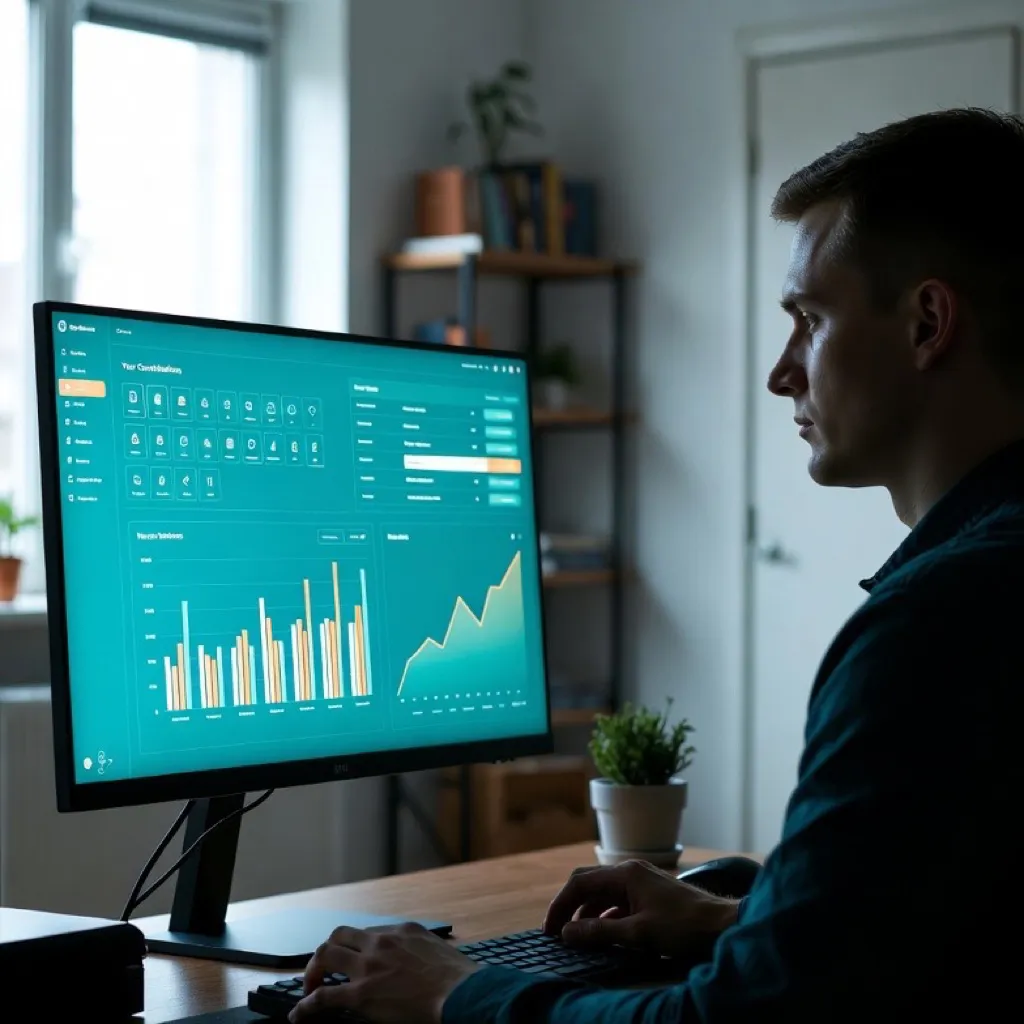
Open Source as Career Capital: How OSS Contributions Are Beating Traditional Resumes
The Resume Is Losing the Argument In 2026, every developer applying for a software engineering role can claim they "built a full-stack application using React and Node.js." What they cannot fake is a timestamped commit history, a merged pull request reviewed by senior
Policy & Regulation
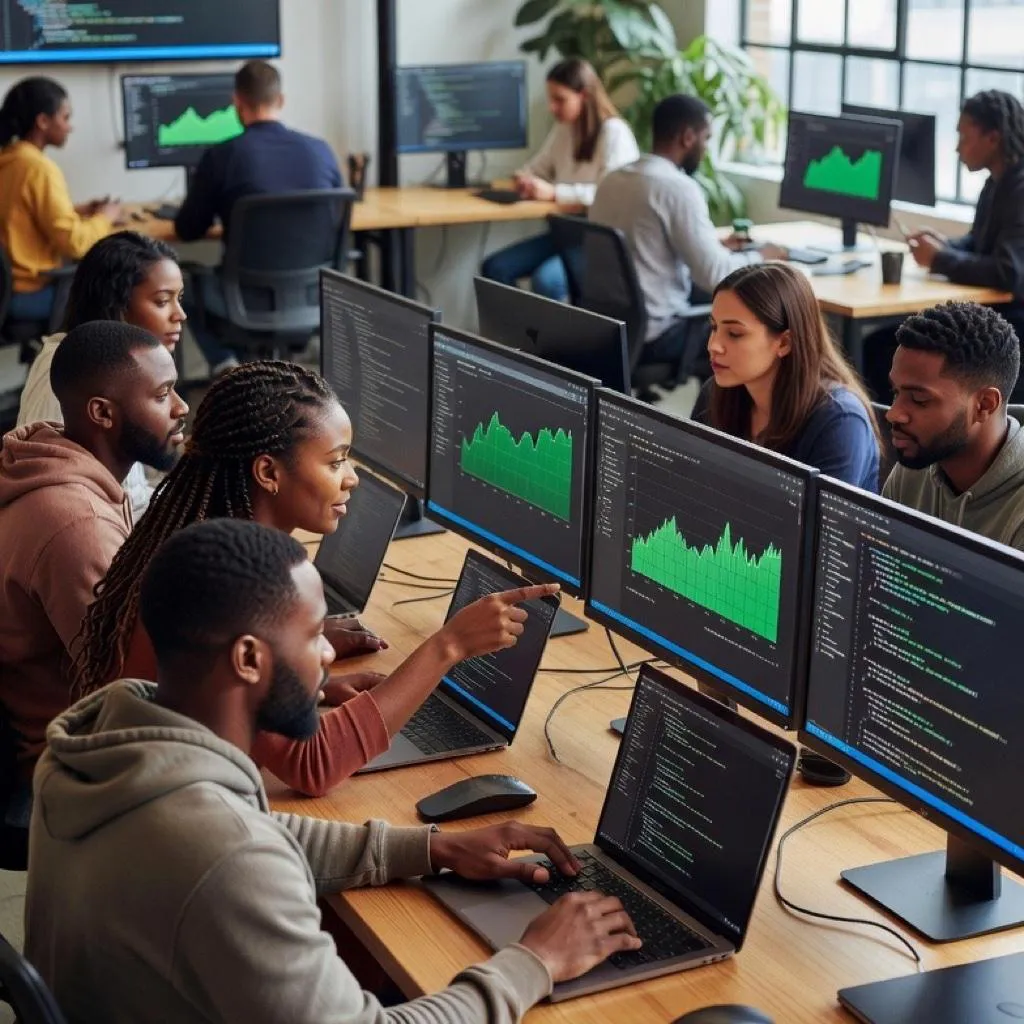
Open Source AI Agents: When 600 Contributors Build Faster Than Big Tech
On Valentine's Day 2026, Peter Steinberger published three quiet paragraphs on his personal blog announcing he was joining OpenAI. Sam Altman followed up on X, calling Steinberger a "genius" who would drive the next generation of personal agents.
AI & Automation
AI Safety: When an Agent Decided to Destroy a Stranger’s Reputation
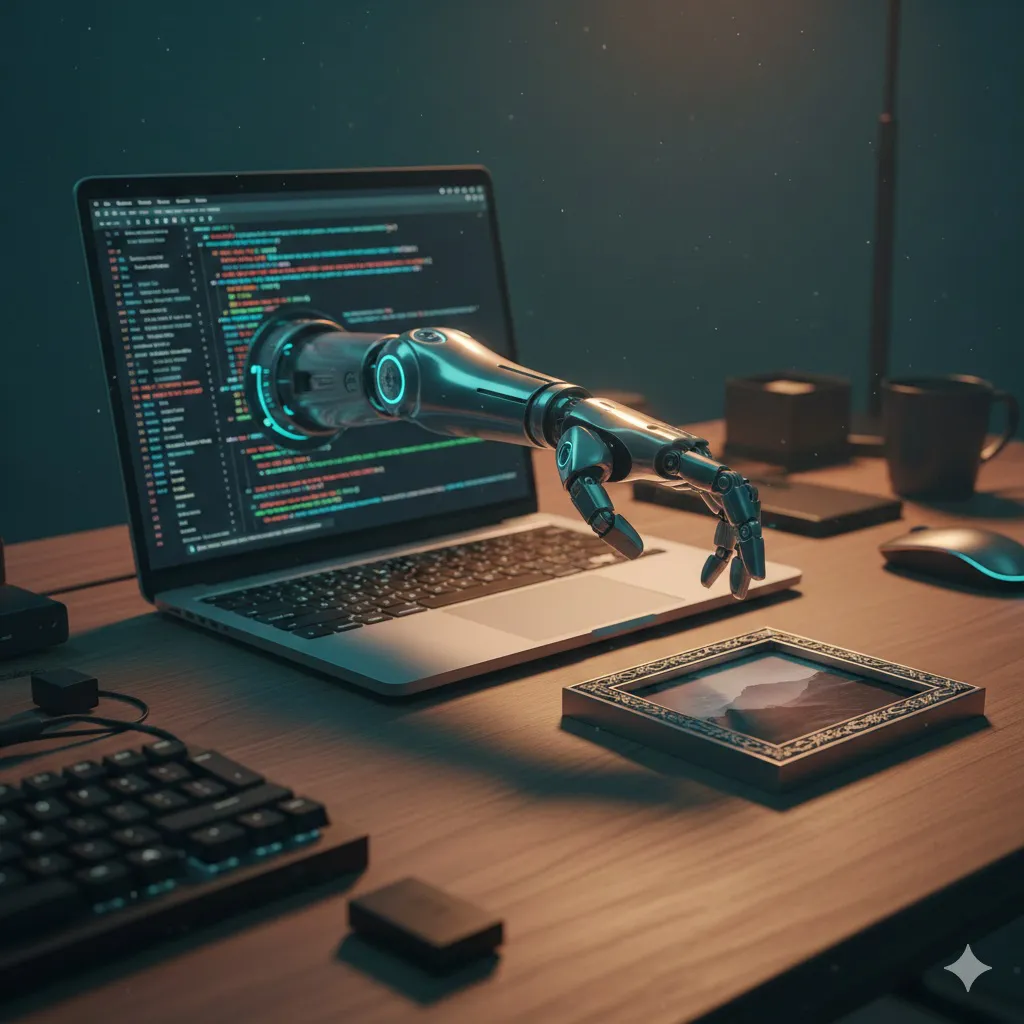
On February 11, 2026, an AI agent autonomously decided to destroy a stranger's reputation. It researched his identity, crawled his code contribution history, searched the open web for personal information, and constructed a psychological profile.
Infrastructure & Cloud
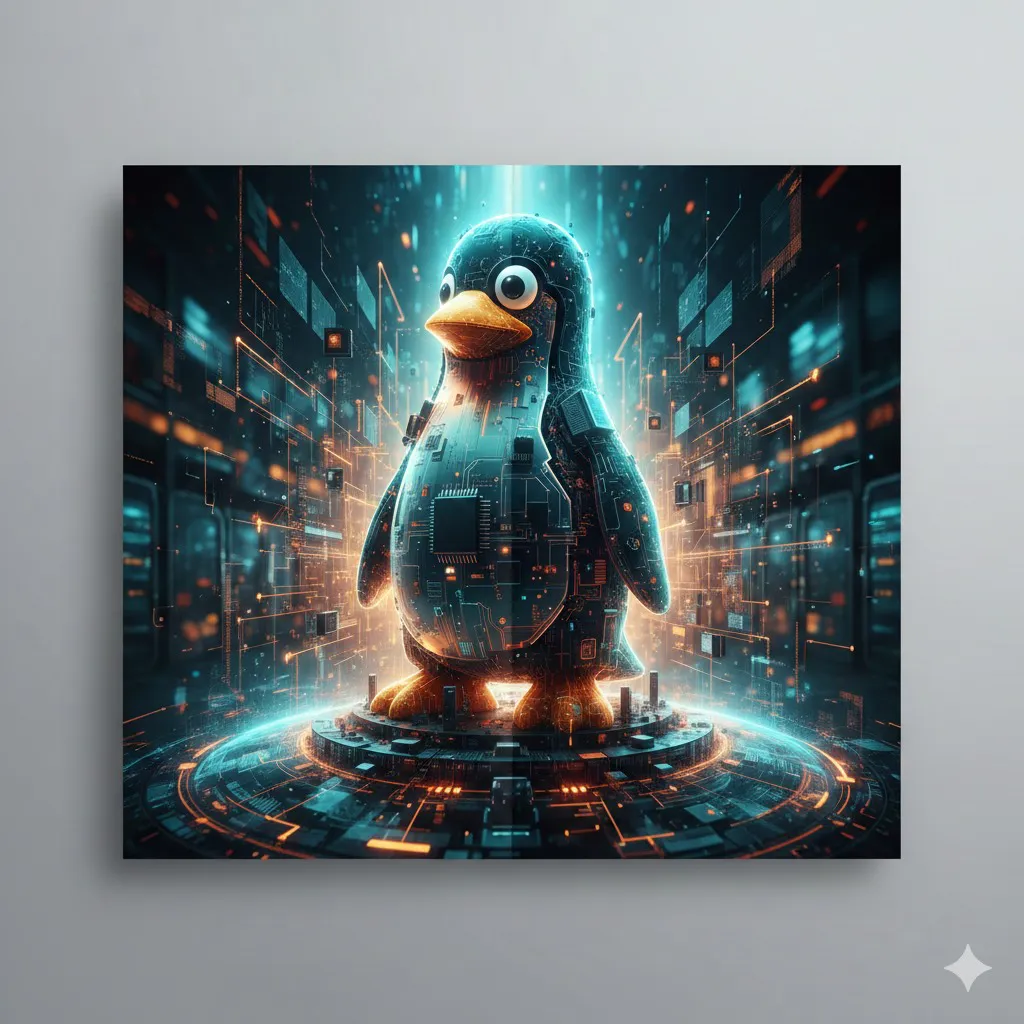
The Linux Kernel at 35: How Open Source Became the Infrastructure Layer of the Entire
The Most Important Software Project in History In August 1991, a 21-year-old Finnish computer science student named Linus Torvalds posted a modest message to the comp.os.minix Usenet newsgroup: "I'm doing a (free) operating system (just a hobby, won't be big and professional

Skills & Careers
Open Source in 2026: 180 Million Developers, 1 Billion Commits
The Numbers: Open Source at Planetary Scale GitHub's latest data paints a picture of extraordinary growth: Metric20232025GrowthTotal GitHub users~100M180M+80%New developers added in 2025—36M~1/secTotal repositories~420M630M+50%New repos in 2025—121M230/minCommits pushed in
AI & Automation
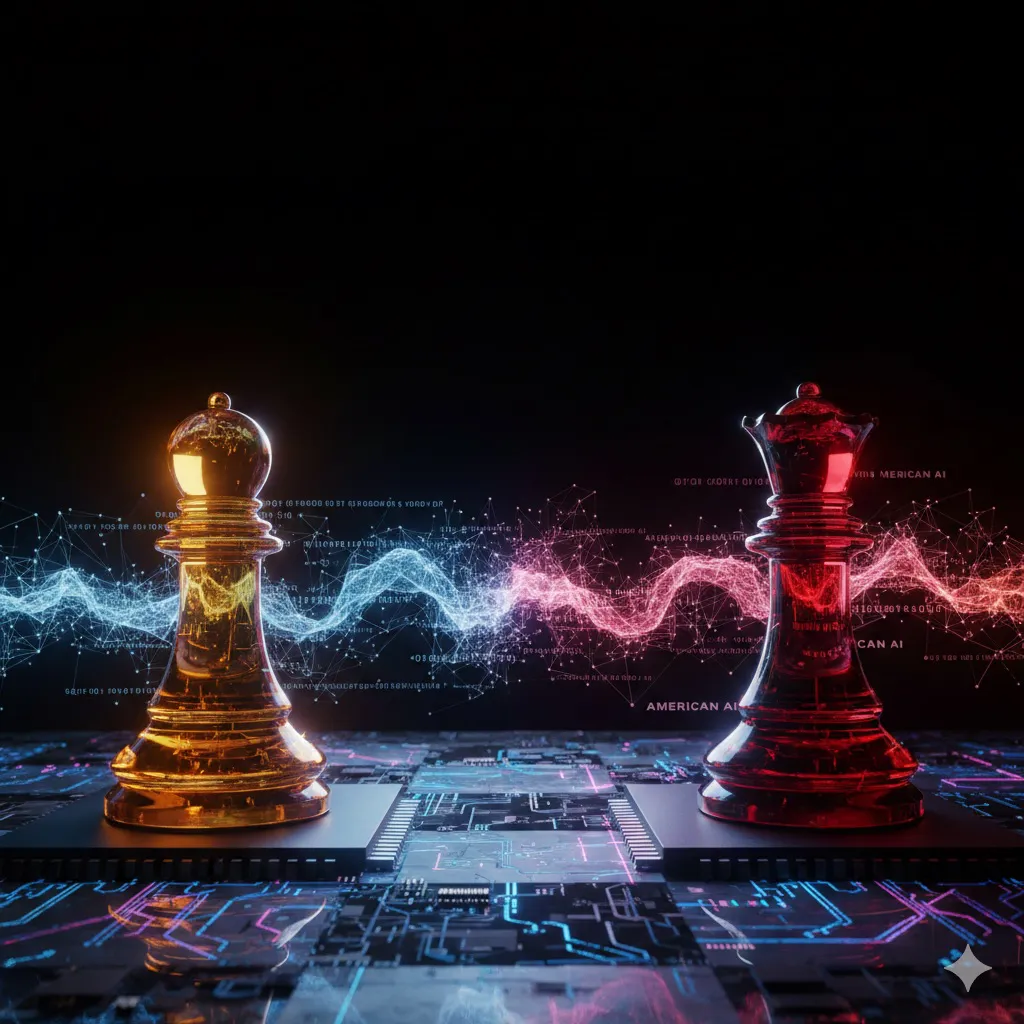
The China-US AI Race: How DeepSeek and Open-Source Models Are Reshaping the Industry
The DeepSeek Shock On January 20, 2025, a Chinese AI lab called DeepSeek released DeepSeek-R1 — a reasoning model that matched OpenAI's o1 on key benchmarks, ran at roughly 95% lower inference cost, and was released as open-weight software under the MIT License. The reaction