
🧭 Decision Radar
Relevance for Algeria
Medium
▾
Infrastructure Ready?
Not established
▾
Skills Available?
Not established
▾
Action Timeline
Monitor and evaluate
▾
Suggested readers: Sonatrach, Algerian industrial maintenance and environmental teams; no involvement asserted.
Decision Type
Operational
▾
Quick Take: Algerian industrial buyers should consider the reported methane-inspection application as a reason to ask precise evaluation questions. Require mission evidence and distinguish direct flight emissions, leak detection and verified emissions reductions before drawing a climate conclusion.
Financing an Inspection Service with a Climate Application
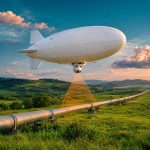
HyLight announced €13 million in financing on October 12, 2026, according to EU-Startups. The story merits attention as an inspection investment with a methane-monitoring application. It should be read through that operational purpose: what can the aircraft inspect, what evidence does it collect, and what would a customer still need to establish before commissioning a mission? Funding is the starting point for those questions, rather than an answer to all of them.
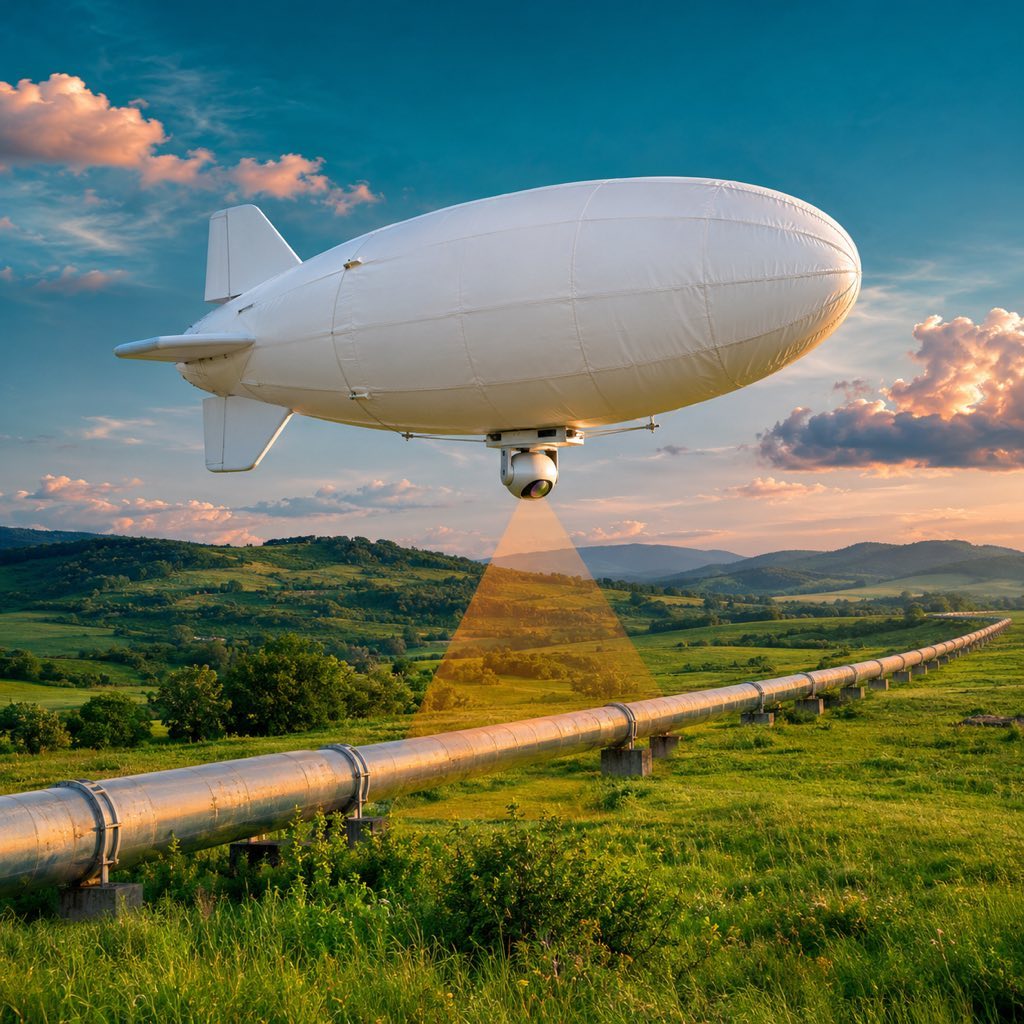
The application is already more specific than a general promise of aerial observation. EU-Startups reports that HyLight aircraft are already used to identify methane leaks during infrastructure-inspection missions. That establishes a reported use case. It does not establish how much methane has been prevented from escaping, how quickly operators acted on a detection, or whether a particular prospective customer would obtain comparable results. Buyers should keep the detection task separate from the subsequent repair decision and any claim about avoided emissions.
The distinction matters for the Algeria lens. An industrial operator considering this approach should first define the inspection question it wants answered. A potential monitoring tool deserves assessment against that question, rather than against the size of its financing. The supplied evidence concerns activity outside Algeria; it does not establish a local contract or a local operating record. The useful connection is therefore a procurement and evaluation framework, not an announcement of adoption.
Direct Flight Emissions and Reported Operating Experience
EU-Startups describes the electrically powered, hydrogen-fuelled HyLighter as flying with no direct emissions. The word “direct” is essential. It should remain attached to the flight claim in a purchasing brief, a climate assessment or a public summary. A customer seeking a broader emissions comparison should request evidence covering hydrogen production and logistics before assigning a lifecycle advantage. No quantified lifecycle saving is established by the claims used here.
There is also a difference between operating experience and independently audited performance. HyLight reports 750+ flight hours and thousands of kilometres inspected in France and Europe, as relayed by Windkraft-Journal. This is a company-reported record, not an independent operational audit. It can inform the questions a buyer asks about previous missions, but should not be converted into a guarantee about availability, detection accuracy or performance at a new site. Those measures would require their own evidence.
The same discipline applies to the aircraft’s operating envelope. Windkraft-Journal reports a target range of 350 kilometers. A target is useful for framing a proposed route and discussing a mission plan; it is not proof that every mission can cover that distance. A prospective customer should ask what conditions attach to the proposed range and which proposed inspection routes have actually been demonstrated. This article does not supply the missing mission-level measurements.
Sensors, Data and the Planned Fleet
According to Windkraft-Journal, HyLight says the payload can include up to 10 kg of sensors, including methane detectors. “Up to” must remain part of the description. Buyers should request a mission-specific sensor configuration rather than assume the payload statement certifies every possible combination. The procurement question is whether the proposed configuration answers the defined inspection need and produces evidence that the customer can evaluate and use.
HyLight describes a combination of hydrogen-powered airships, sensors and AI for long-distance inspection data. That combination is a description of the company’s approach. It does not by itself validate every interpretation generated from the collected data. An operator should ask how observations are presented, which outputs need human review and what evidence supports an alert. These are proposed evaluation questions, not claims that the company’s system has particular undocumented features or shortcomings.
Expansion is similarly forward-looking. HyLight aims to grow from four operating aircraft to 15 in 2027, according to Startup.eu. The existing fleet and the intended fleet should remain distinct in any assessment of service capacity. A buyer considering a contract should ask which resources are available for its proposed work and which depend on the expansion plan. A future fleet target cannot stand in for an agreed mission schedule.
Advertisement
How Industrial Buyers Should Frame an Evaluation
1. Define a Detection Result Before Discussing a Climate Result
A proposed trial should specify the inspection objective and the evidence needed to judge it. For methane monitoring, a buyer should ask how a reported detection would be checked and handed over to the people responsible for maintenance. It should also decide what constitutes a usable inspection record. These requirements should be written before any discussion of emissions avoided. Detection, follow-up and a quantified climate result should each have their own evidential basis, rather than being collapsed into a single promotional claim. This approach allows a buyer to evaluate the reported application without inventing an outcome that has not been measured.
2. Separate Demonstrated Missions from the Proposed Operating Envelope
A buyer should request examples relevant to its intended routes and ask which aspects are demonstrated and which remain planned. Range, sensor configuration and aircraft availability belong in the same evaluation discussion, because the purchasing decision concerns a complete mission. The purpose is not to infer a failure from an unanswered question. It is to identify exactly what must be established before a service commitment becomes credible. A clearly bounded pilot could then test the agreed requirements without treating the reported operating record as a substitute for local evidence.
3. Request an Emissions Boundary and a Follow-Up Plan
An assessment should retain the distinction between direct flight emissions and lifecycle emissions. Ask the provider to specify the scope of any environmental comparison and the supporting evidence. Separately, ask the inspection customer to define responsibility for reviewing and acting on findings. A monitoring proposal should not receive credit for a repair or an emissions reduction before evidence of that outcome exists. For a prospective Algerian industrial user, these are suggested conditions for evaluation; they do not imply that a procurement process, hydrogen supply arrangement or inspection partnership is already in place.
What the Financing Establishes—and What Buyers Still Need
The reported financing, methane-detection application and operating experience give this story a concrete industrial focus. The most useful reading is to connect each item to a different question: the financing concerns expansion, the missions concern experience, and the payload and range descriptions concern a proposed operating envelope. None should silently become proof of the others.
For Algeria, the lesson is to evaluate inspection as a chain of evidence and decisions. A prospective user should ask what has been observed, what has been confirmed, who will act and how a claimed environmental outcome will be assessed. The available claims do not establish local readiness, a measured methane reduction or a lifecycle carbon saving. Keeping those limits visible leaves room for a serious technical evaluation while avoiding an unsupported promise about deployment or climate impact.
Frequently Asked Questions
What financing did HyLight announce?
HyLight announced €13 million in financing on October 12, 2026, according to EU-Startups. The reported expansion plan includes increasing its operating fleet.
Does the aircraft have zero lifecycle emissions?
The reported claim concerns no direct flight emissions from the electrically powered, hydrogen-fuelled HyLighter. A quantified lifecycle saving is not established here, and a broader assessment would need to address hydrogen production and logistics.
Are the range and expanded fleet already demonstrated?
The range is a target, and expansion from four operating aircraft to 15 in 2027 is an aim. HyLight’s reported flight hours should be treated as company-reported experience rather than an independent audit.