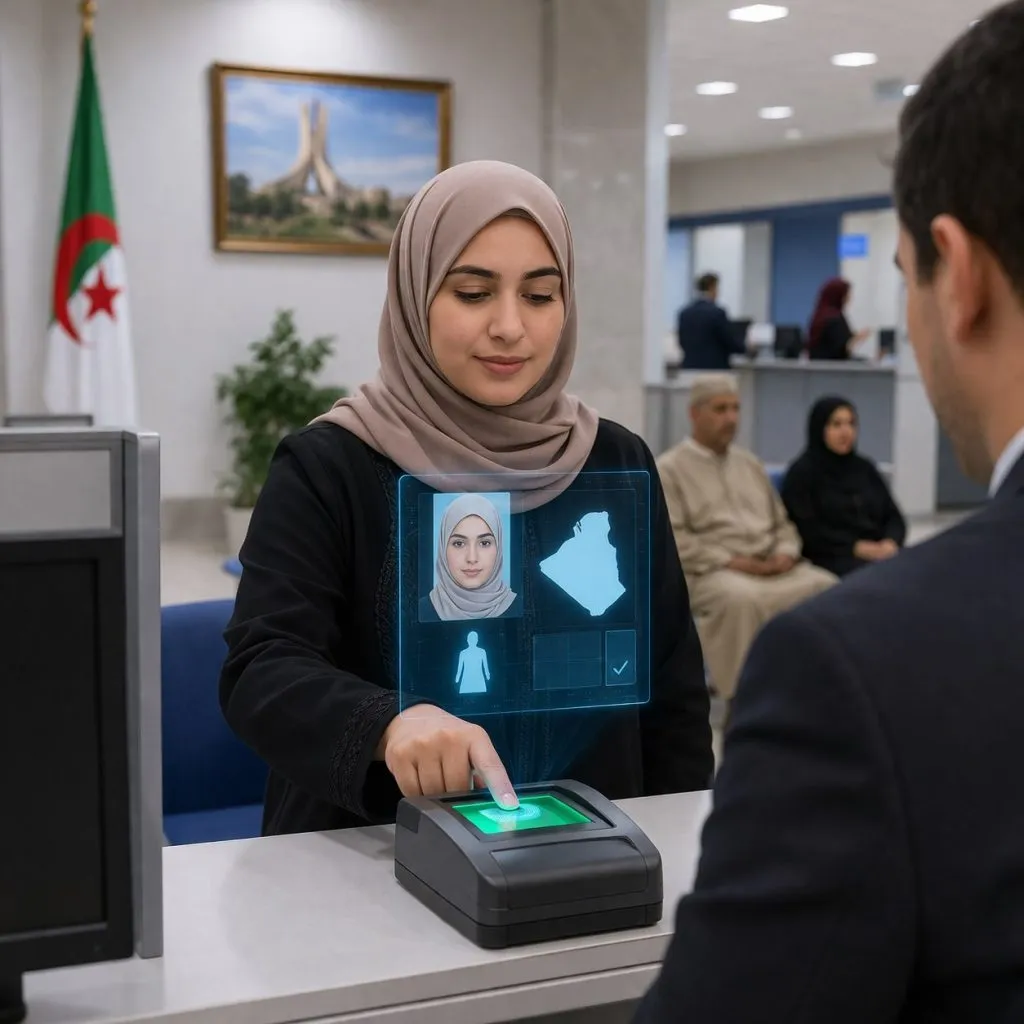
As Algeria accelerates its digital identity infrastructure through landmark legislation approved in November 2025, the country joins 49 African nations grappling with a fundamental tension: how to modernize citizen services without creating surveillance systems that exclude vulnerable populations.
The stakes are high. A March 2026 study by the Atlantic Council’s Digital Forensic Research Lab found that biometric identification systems across Africa frequently operate with “limited transparency, weak data protection, and minimal public oversight.” For Algeria, which is building one of the continent’s most ambitious digital ID ecosystems, these findings demand serious consideration.
Algeria’s Digital Identity Push
On November 2, 2025, Algeria’s government approved draft legislation defining general rules governing trust services for electronic transactions. The new framework introduces a national digital identification system linked to the existing biometric identity card, centralizing citizen identities for online services and granting full legal recognition to digital transactions.
This legislation modernizes the 2015 electronic signature framework and represents a significant expansion of Algeria’s digital infrastructure. The biometric identity card, issued in credit card format with a digital chip, serves as the foundation for this broader ecosystem.
The government has emphasized that the expansion requires a stronger legal environment ensuring reliable transactions while protecting personal data. But critics argue that the implementation timeline is outpacing the development of adequate safeguards.
The Continental Picture: 49 Nations, Uneven Protections
Algeria’s digital ID push occurs within a broader continental trend that raises significant concerns. According to research published in TechXplore and The Conversation in March 2026, biometric IDs are being rolled out across Africa with insufficient attention to risks and pitfalls.
The numbers tell a sobering story. While 49 African nations have adopted at least one form of biometric technology, only 29 have operationalized data protection oversight authorities. This gap between technological deployment and regulatory capacity creates fertile ground for abuse.
Key concerns identified across the continent include:
- Conditional rights: Universal human rights that should be unconditional, including access to education, healthcare, social security, and voting, become conditional on enrollment in biometric digital ID schemes
- Exclusion barriers: Millions face exclusion due to enrollment barriers, disabilities, or discrimination, particularly in rural and underserved communities
- Surveillance risks: In several African countries, facial recognition has reportedly been used to monitor critics and opposition figures
- Rushed timelines: Projects frequently outpace data protection regulations, limiting civil society’s ability to raise concerns
Advertisement
What This Means for Algeria
Algeria’s position presents both advantages and vulnerabilities. On the positive side, the country’s relatively strong institutional framework and the explicit mention of data protection in the new legislation suggest awareness of the risks. The integration with the existing biometric card system also provides a foundation that many African nations lack.
However, several factors require vigilance:
Regulatory gaps remain. While Algeria has data protection provisions in various laws, it lacks a comprehensive, standalone data protection act comparable to the EU’s GDPR or even the frameworks adopted by Morocco and Tunisia. The new digital ID legislation acknowledges the need for data protection but details on enforcement mechanisms remain thin.
Centralization risks. The national digital identification system linked to the biometric card creates a single point of failure. A breach of this centralized system could expose millions of citizens’ biometric data, which unlike passwords cannot be changed or reset.
Digital divide concerns. Algeria’s digital transformation strategy aims to be inclusive, but the reality is that internet penetration, while growing, remains uneven between urban and rural areas. Tying essential services to digital identity could inadvertently exclude the populations most in need.
Vendor dependency. Algeria’s biometric card system was developed with Thales Group, raising questions about data sovereignty when foreign companies hold critical infrastructure knowledge.
Lessons from Regional Peers
Algeria can draw valuable lessons from other African nations’ experiences with biometric ID systems.
Morocco’s Commission Nationale de Controle de la Protection des Donnees a Caractere Personnel (CNDP) provides a model for independent oversight that predates the country’s digital ID expansion. Tunisia’s data protection authority, while imperfect, demonstrates the importance of establishing oversight before scaling deployment.
On the cautionary side, Kenya’s Huduma Namba program faced constitutional challenges over privacy concerns, and Nigeria’s National Identity Number (NIN) rollout was criticized for creating barriers to SIM card access and financial services.
The Path Forward
For Algeria to navigate the biometric digital ID expansion responsibly, several steps are critical:
- Enact comprehensive data protection legislation with an independent oversight authority empowered to audit biometric data handling
- Conduct and publish data protection impact assessments before expanding digital ID requirements to additional services
- Establish clear data retention limits and deletion protocols for biometric information
- Ensure alternative pathways for citizens who cannot or choose not to enroll in biometric systems
- Mandate transparency about which government agencies can access biometric data and under what circumstances
The digital identity revolution offers Algeria genuine opportunities to improve service delivery, reduce fraud, and modernize governance. But without robust safeguards, the same technology that promises inclusion could become a tool for exclusion and surveillance.
Frequently Asked Questions
What biometric data does Algeria’s digital ID card collect?
Algeria’s biometric identity card, issued in credit card format with a digital chip, collects fingerprint data and facial images. The new 2025 legislation expands this system into a national digital identification platform linking biometric data to electronic trust services and digital transactions.
How does Algeria’s data protection framework compare to other African nations?
Algeria has data protection provisions embedded in various laws, and consolidating them into a standalone comprehensive data protection act is a clear opportunity area. Only 29 of 49 African nations with biometric systems have operationalized data protection oversight authorities. Building on existing provisions through a unified standalone framework would put Algeria in that leading group.
Can Algerian citizens opt out of biometric digital ID enrollment?
Currently, the biometric identity card is mandatory for Algerian citizens aged 18 and above. As the digital ID ecosystem expands to cover more services, the question of alternative access pathways for those who cannot or choose not to enroll becomes increasingly urgent.
Sources & Further Reading
- Algeria Approves Draft Legislation on Digital ID, Trust Services — Biometric Update
- Biometric IDs Are Being Rolled Out in Africa: Study Reveals the Risks and Pitfalls — TechXplore
- 49 African Nations Adopt Digital ID Technology Amid Surveillance Risks — TechAfrica News
- Africa’s Digital ID Ecosystem Needs More Transparency to Protect Human Rights — Biometric Update
- African Digital ID Systems Need Better Governance by Stronger Independent Bodies — Biometric Update