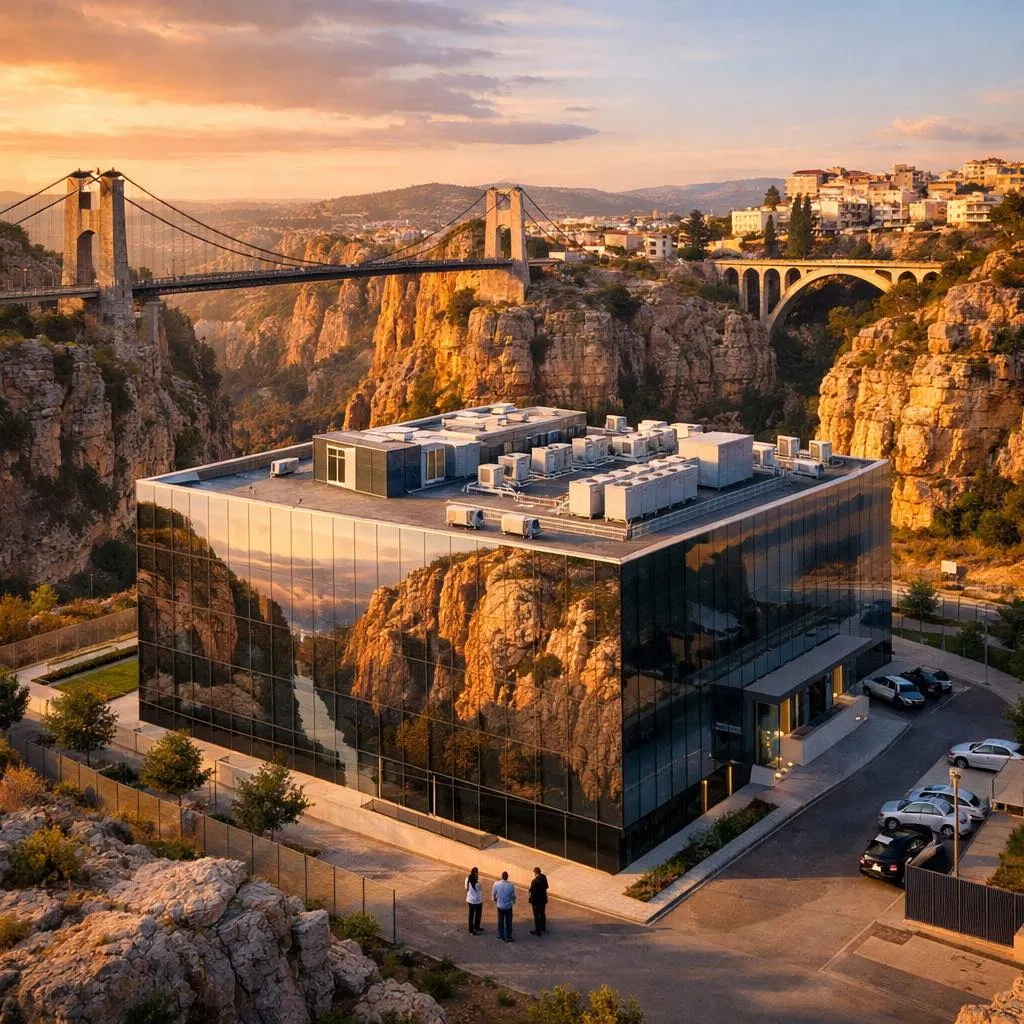
Why Algeria Needs Data Centers Outside Algiers
For years, Algeria’s data center infrastructure told a simple story: everything important lived in Algiers. The capital hosted the country’s primary facilities — from Algerie Telecom’s Mohammadia center built with Huawei to CenterServ’s colocation facility — while the rest of the country’s 48 wilayas relied on long-haul connections to Algiers for cloud services, government platforms, and enterprise applications.
This concentration created three problems. First, latency: businesses in eastern and southern Algeria experienced measurably slower performance on cloud-hosted applications, with round-trip times to Algiers adding 15-30 milliseconds that compound across real-time transactions. Second, resilience: a single fiber cut, power grid failure, or natural event in the capital region could theoretically disrupt services nationwide. Third, compliance: as Algeria’s data sovereignty requirements under Law 18-07 expand to cover more sectors, organizations need geographically distributed hosting options that still qualify as “local.”
Constantine, Algeria’s third-largest city and the economic anchor of the east, is the logical place to break this pattern.
Algeria Telecom’s Constantine Facility
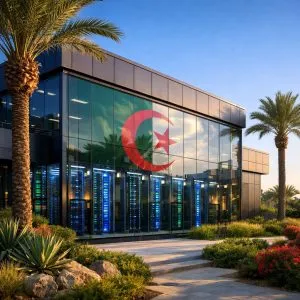
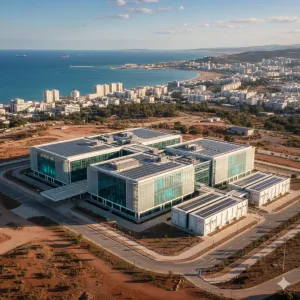
Algeria Telecom inaugurated its Constantine data center equipped with modern infrastructure and a cloud platform designed to support enterprise data collection, processing, and storage. The facility serves as a regional node in Algeria Telecom’s broader cloud strategy, reducing the distance between eastern Algerian businesses and their hosted infrastructure.
The data center extends Algeria Telecom’s sovereign cloud offering — a platform positioned to serve government agencies, banks, and enterprises that must comply with data localization mandates. By placing compute and storage capacity in Constantine, Algeria Telecom reduces the east-to-capital latency penalty and provides a disaster recovery option geographically separated from Algiers-based primary infrastructure.
Algeria Telecom has indicated plans to build additional data centers across the country, though specific locations and timelines have not been publicly confirmed. The Constantine facility serves as the template for this regional expansion model.
Ooredoo’s Syntys MDC Constantine
Ooredoo Algeria operates a separate data center in Constantine through its Syntys subsidiary, classified as a Tier 3 facility. The Tier 3 designation indicates concurrently maintainable infrastructure — meaning individual components can be taken offline for maintenance without service interruption, a critical requirement for enterprise SLA commitments.
The Syntys MDC (Modular Data Center) approach allows Ooredoo to deploy standardized infrastructure modules that can be scaled as demand grows. This modular strategy avoids the capital risk of building a massive facility upfront in a market where enterprise cloud adoption is still maturing.
Having two competing data center operators in Constantine creates a healthier market dynamic than the Algiers model, where limited competition has constrained pricing and service innovation. Eastern Algerian enterprises can now evaluate options from both the national incumbent and a private-sector alternative.
Advertisement
The Sovereign Cloud Imperative
Algeria’s data governance framework is driving much of the demand for local infrastructure. Law 18-07 requires local hosting for applications handling personal or financial data. The 2025 executive decree on data classification (Decree 25-320) further categorized government data into sensitivity tiers, each with specific hosting requirements.
For enterprises in eastern Algeria, this creates a practical problem. If the only compliant data centers are in Algiers, they face a choice between hosting locally (with latency penalties and limited redundancy) or accepting the risk concentration of an Algiers-only strategy. Constantine’s facilities give them a third option: regionally proximate, compliant infrastructure from established operators.
The sovereign cloud opportunity extends beyond compliance. Algeria Telecom invested 1.5 billion dinars in 2025 to fund AI, cybersecurity, and robotics startups — many of which need local compute infrastructure for development and deployment. A data center in Constantine makes eastern Algeria viable as a startup ecosystem location, rather than forcing every cloud-dependent business to base itself in Algiers.
Market Context: Algeria’s Data Center Growth
Algeria’s data center market is growing but remains undersized relative to the country’s economy and population. Industry estimates value the market at approximately $218 million in 2025, projected to reach $447 million by 2035 — a 7.4% compound annual growth rate.
Currently, Algeria has six data center facilities from five operators tracked by international databases. By comparison, Morocco has over a dozen, and South Africa has over forty. The gap reflects both Algeria’s later start in cloud infrastructure and the regulatory environment that has historically favored state-owned operators.
The government’s Oran AI data center project, which broke ground in March 2025, adds a third geographic node focused specifically on AI workloads. If all three cities — Algiers, Constantine, and Oran — develop viable data center clusters, Algeria would have the geographic distribution necessary for true infrastructure resilience.
What Enterprises Should Evaluate
Organizations operating in eastern Algeria should take concrete steps to leverage the Constantine facilities:
Latency benchmarking. Measure application performance from Constantine-based infrastructure versus Algiers-hosted alternatives. For real-time applications (POS systems, video conferencing, industrial monitoring), even 15-20ms improvements are operationally meaningful.
Disaster recovery planning. Use Constantine as a DR site for Algiers-primary deployments, or vice versa. Geographic separation of approximately 400 km provides meaningful protection against localized disruptions while staying within Algeria’s data sovereignty boundaries.
Hybrid cloud architecture. Evaluate Algeria Telecom’s and Ooredoo’s cloud platforms as the local tier of a hybrid architecture, with international hyperscalers handling workloads that do not fall under data localization requirements.
Cost comparison. Request pricing from both operators and benchmark against Algiers alternatives. Regional competition should create pricing leverage that did not previously exist.
The Bigger Picture: Decentralizing Algeria’s Digital Infrastructure
Constantine’s data center development is part of a broader pattern. Algeria’s digital transformation cannot succeed if it remains an Algiers-only phenomenon. The 5G rollout is targeting eight pilot wilayas. The startup ecosystem is expanding to Oran and Constantine. University partnerships with tech companies are distributed across multiple cities.
Data centers are the foundation layer that makes all of this possible. Without local compute and storage, regional businesses and institutions remain dependent on distant infrastructure with performance and resilience penalties. Constantine’s facilities are a necessary — though not yet sufficient — step toward a geographically distributed digital Algeria.
Frequently Asked Questions
What tier classification does the Constantine data center have?
Ooredoo’s Syntys MDC Constantine facility carries a Tier 3 classification, meaning it has concurrently maintainable infrastructure that allows component-level maintenance without service interruption. Algeria Telecom’s Constantine facility has not publicly disclosed a formal tier certification, though it is described as equipped with modern technology and cloud platform capabilities.
How does hosting data in Constantine compare to Algiers for eastern Algerian businesses?
Businesses in eastern Algeria can expect 15-30 milliseconds of latency reduction when accessing applications hosted in Constantine versus Algiers. For real-time workloads like point-of-sale systems, video conferencing, and industrial IoT monitoring, this improvement is operationally significant. Constantine hosting also provides geographic redundancy for disaster recovery planning.
Does hosting in Constantine satisfy Algeria’s data sovereignty requirements?
Yes. Both Algeria Telecom and Ooredoo are Algerian-registered operators, and their Constantine facilities are located on Algerian soil. Data hosted in these facilities meets the local hosting requirements of Law 18-07 and the 2025 data classification decree, making them compliant options for personal, financial, and government data.
Sources & Further Reading
- Algeria Telecom Launches New Data Center in Constantine — Data Center Dynamics
- Algeria Telecom Inaugurates a New Data Center — Algeria Telecom
- Syntys Algeria MDC Constantine — Data Center Map
- Algeria Data Centers — Data Center Map
- Algeria Accelerates Digital Transformation — Tech Review Africa
- Algeria Data Center Market Size and Forecast — DC Market Insights