

Scope: Global

Policy & Regulation
The DEFIANCE Act: America’s Federal Civil Remedy for Deepfake Victims
The Senate unanimously passed the DEFIANCE Act, creating a federal civil action for deepfake victims with up to $250K damages. Full legislative analysis.

Policy & Regulation
Colorado’s AI Act: America’s Most Comprehensive State AI Law Faces Its Reckoning
Colorado SB 24-205 mandates impact assessments and bias testing for high-risk AI. Delayed to June 2026, it faces amendments and federal preemption threats.

Policy & Regulation
AI Employment Discrimination: The Impossible Patchwork of Hiring Algorithm Laws
Illinois, Texas, California, Colorado, and NYC all regulate AI in hiring differently. Here's the compliance landscape facing every US employer in 2026.
Policy & Regulation
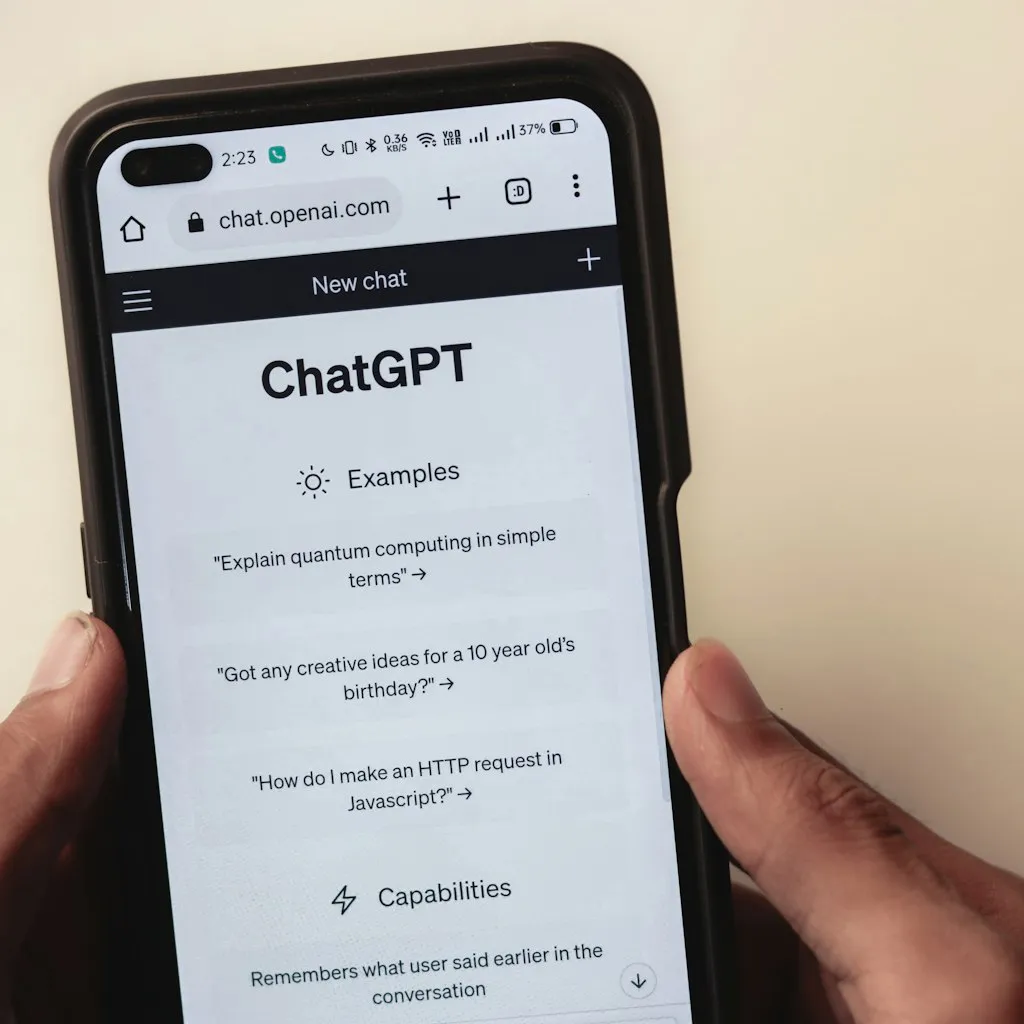
After the Suicides: The Global Push to Regulate AI Companion Chatbots
After teen suicides linked to AI chatbots, California, Congress, and courts worldwide are racing to regulate AI companions. Here's the full legal landscape.

Cybersecurity & Risk
Six Zero-Days Under Active Attack: Inside February 2026’s Most Dangerous Patch Tuesday
Microsoft patched 58 vulnerabilities including 6 actively exploited zero-days in February 2026. CISA set a March 3 deadline. Full breakdown of the threats.

Cybersecurity & Risk
RoguePilot: How Hidden Instructions in GitHub Issues Let Attackers Hijack Repositories
Orca Security discovered RoguePilot, a passive prompt injection that let hidden GitHub Issue instructions hijack Copilot to leak tokens and take over repositories.

Cybersecurity & Risk
The $580 Million Pig Butchering Takedown: Inside the DOJ’s War on Crypto Romance Scams
DOJ Scam Center Strike Force seized $580M in crypto from pig butchering scams in three months, including a $61M Tether freeze tied to Southeast Asian compounds.

Cybersecurity & Risk
Pentagon vs. Anthropic: When AI Safety Guardrails Collide with National Security
Defense Secretary Hegseth designated Anthropic a supply chain risk, ending a $200M contract over AI safety guardrails on autonomous weapons and surveillance.
Cybersecurity & Risk
The Odido Mega-Breach: When a Telecom Giant Refuses to Pay and Millions of Records Hit
Dutch telecom Odido refused a ransom after ShinyHunters stole 6.2 million customer records via social engineering. The four-day data dump that followed.

Cybersecurity & Risk
The Infostealer Epidemic: How Credential Theft at Scale Is Fueling the Cybercrime Economy
Infostealer malware stole 3.9 billion credentials from 4.3 million devices in 2024. Lumma, RedLine, and StealC power a MaaS economy starting at $250/month.

Cybersecurity & Risk
When Ransomware Kills: Healthcare’s Patient Safety Crisis
Hospital ransomware attacks now threaten patient lives. Cardiac arrest survival dropped from 40% to 4.5% at hospitals near an attacked facility. The crisis is here.




