Format: Analysis

AI & Automation
Model Distillation Wars: How Chinese Labs Industrialized the Extraction of Western AI
Anthropic accused DeepSeek, MiniMax, and Moonshot AI of using 24,000 fake accounts and 16 million queries to extract Claude's capabilities at industrial scale.

Startups
DjazairIA: Algeria’s First AI Incubator Connects Local Founders to Global Markets
Something is shifting in Algiers. On the fourth floor of a renovated building on Boulevard Zighout Youcef — one of the capital's most central arteries — a 260-square-meter space is quietly becoming the nerve center of Algeria's artificial intelligence ambitions.
Cybersecurity & Risk
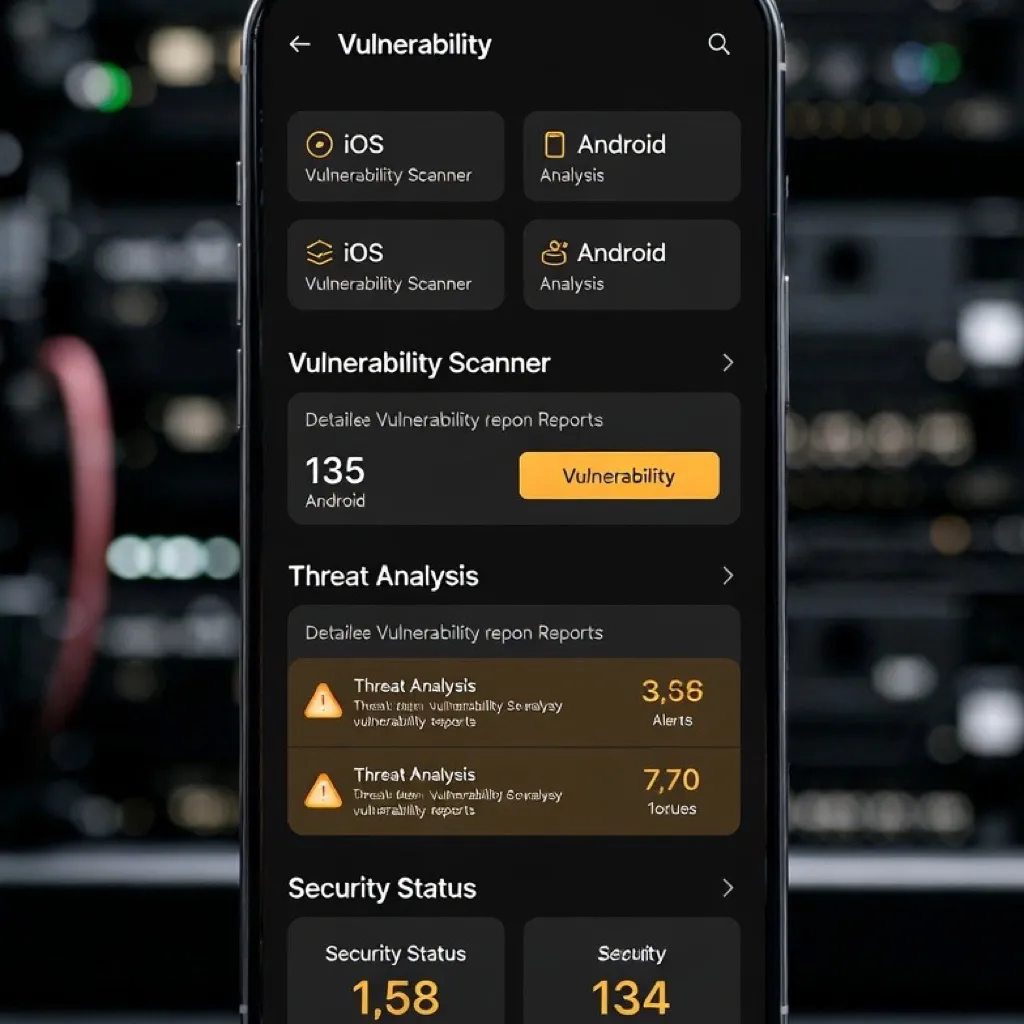
Mobile Zero Days: iOS and Android Under Sustained Nation-State Attack in 2026
The message never arrived. There was no suspicious link, no urgent attachment, no call from an unknown number.

AI & Automation
Mixture of Experts: How MoE Architecture Is Making Frontier AI Affordable
GPT-4 is estimated to have around 1.8 trillion parameters. On any single token — one word, one punctuation mark — the vast majority of those parameters sit completely idle, doing nothing.

Cybersecurity & Risk
MFA Fatigue Attacks: How Hackers Bypassed the Layer Everyone Trusted
It is 2:17 a.m. Your phone buzzes.

Policy & Regulation
Mandatory AI Audits: Governments Are Now Requiring Third-Party Checks on AI Systems
For most of the past decade, AI developers operated in a regulatory grey zone. They could deploy systems that decided who got a loan, who passed a job screening, or who received a medical referral — with no external check on whether those systems actually worked as claimed.

AI & Automation
1 Million Tokens: What Extreme Context Windows Actually Change
Two years ago, 4,096 tokens was considered generous. Today, Gemini 2.0 Flash processes 1 million tokens in a single call.
Infrastructure & Cloud
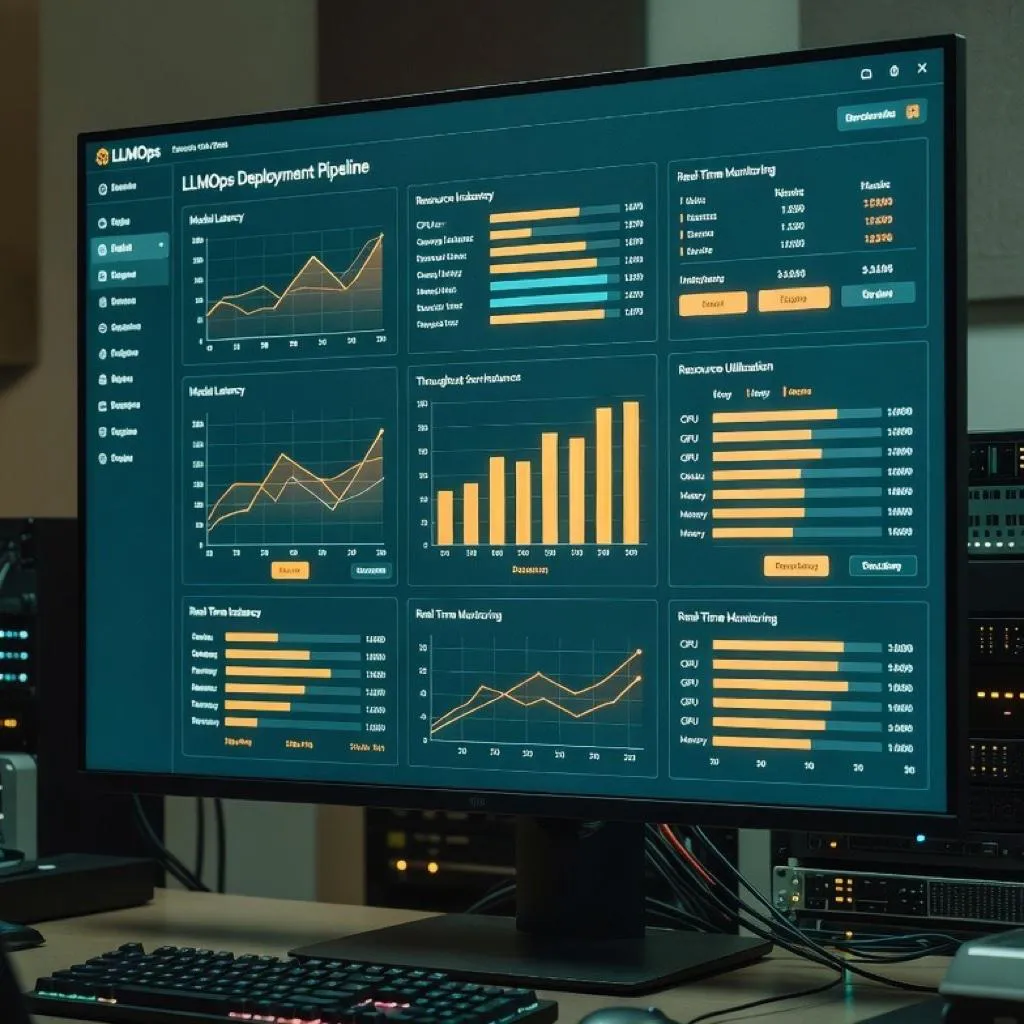
LLMOps in Production: What Running AI at Scale Actually Requires
Deploying a large language model into production is nothing like deploying a traditional software service. The code ships.
Policy & Regulation
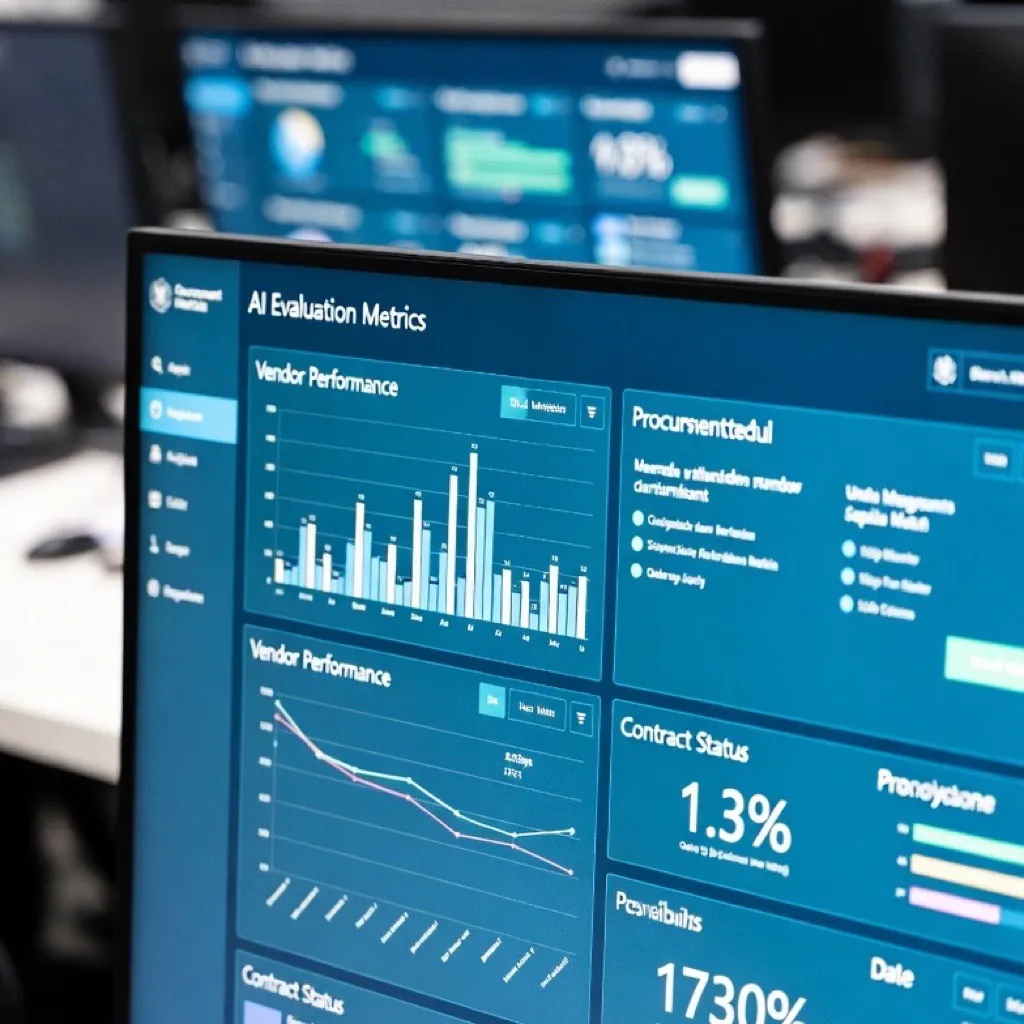
How Governments Buy AI: Procurement Rules Reshaping the Market
Governments have quietly become the largest single class of AI buyers on the planet. Defense agencies, tax authorities, health ministries, border control operations, and social welfare departments are all deploying AI at scale — and the procurement rules governing those
Digital Economy
The Gig Economy at a Crossroads: Upwork, Fiverr, and What AI Does to the Freelance Market
The numbers do not lie. In 2023, Upwork reported that job postings for writing, translation, and basic graphic design dropped by double digits on its platform — categories that had been the reliable backbone of the freelance economy for a decade.

Digital Economy
The Cookieless Future Is Here: First-Party Data Strategies That Actually Work
The deadline that advertisers spent years dreading has arrived. Google completed the deprecation of third-party cookies in Chrome for the vast majority of users by early 2025, joining Safari and Firefox, which killed cross-site tracking years earlier.