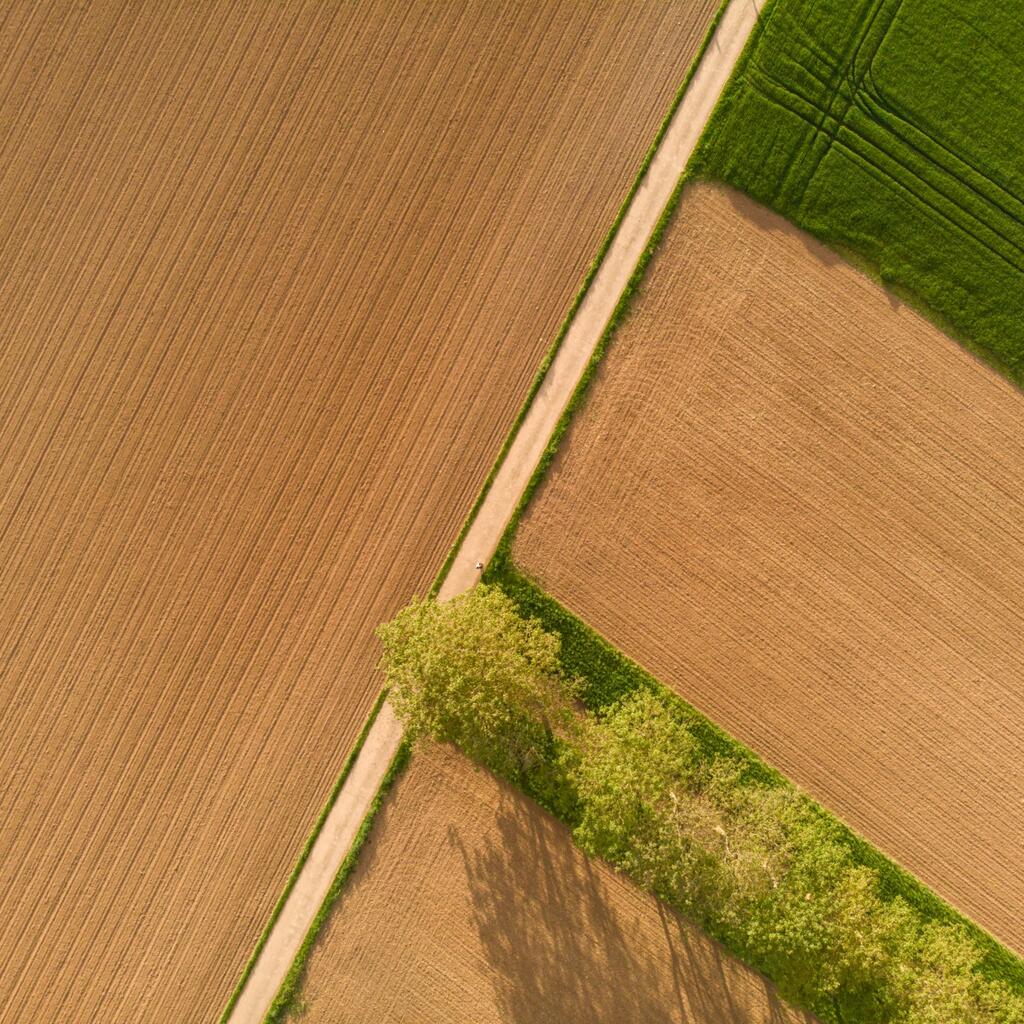
Algeria feeds 46 million people from a country where roughly 12–13% of arable land is irrigated. That gap between potential and reality is the market that a generation of regional agritech founders is now working to close — and the action is not only in Algiers.
While early narratives of Algerian agritech centered on a handful of Algiers-based players, 2024 marked a turning point. An EU-GIZ funded AgriTech Challenge drew submissions from university labs in Constantine and El Oued. Drone crop-monitoring startups emerged from tech incubators. Government wastewater-reuse programs opened new infrastructure for irrigation in Oran, Tlemcen, and Constantine. The geography of Algerian agritech innovation is spreading — and the startups forming in these agricultural heartlands are solving distinctly local problems.
Algeria’s Agricultural Geography: Where Food Is Actually Grown
Algeria’s food production is highly regional. The fertile plains stretching from Sidi Bel Abbès through Oran to Tlemcen in the northwest grow citrus, table grapes, and cereals. The Constantine plateau and the highlands around Sétif and Batna are Algeria’s cereal bowl, producing wheat and barley across the nation’s largest contiguous dryland farming zone. The olive belts of Tizi Ouzou, Béjaïa, and eastern Algeria generate most of the country’s olive oil output, with Constantine’s surroundings contributing highland varieties.
This geography matters for startups. A precision irrigation startup founded in Algiers faces a very different customer profile than one serving smallholder citrus growers in Ain Témouchent (Oran province) or dryland cereal farmers on the Sersou Plateau near Tiaret. Solving the right problem for the right geography is the first filter that separates viable agritech from demo-ware.
Why Regional Startups Matter
The structural challenge for Algerian agritech is proximity to the farmer. Algeria’s smallholder farmers — who account for the majority of the country’s 1.1 million agricultural holdings — are concentrated in rural communities far from Algiers. Only 20% of them can secure formal bank loans, according to FAO research, and most lack access to agronomic advisory services, certified inputs, or cold storage infrastructure.
A startup based in Oran can recruit local agricultural engineers, partner with provincial chambers of agriculture, and build trust with farming communities in ways that a remote Algiers-based team cannot. The Ministry of Knowledge Economy, Startups, and Micro-Enterprises has recognized this: its AlgeriaTech hub framework explicitly targets incubator development in Oran, Constantine, and Annaba as counterweights to the capital’s concentration of startup activity.
Market access is the other structural gap. Algeria loses an estimated 30% of its fruit and vegetable production to post-harvest spoilage — a figure consistent with FAO benchmarks for North Africa — because cold chain infrastructure, sorting technology, and logistics coordination between smallholders and wholesale markets remain underdeveloped. This is a supply-chain and marketplace problem as much as a farming technology problem.
Oran’s Agritech Scene: Water, Citrus, and Drone Tech
Oran’s wilaya produces significant volumes of citrus, table grapes, and market vegetables, and borders the cereal-producing provinces of Mascara and Relizane. Its agritech challenge is primarily water. The northwest has faced below-average rainfall in recent years, putting pressure on smallholders who depend on shallow wells and gravity-fed irrigation.
The government’s national wastewater treatment upgrade program, launched in 2024, specifically targets facilities in Oran and Tlemcen to produce reclaimed water suitable for irrigation — an infrastructure shift that will create demand for water-monitoring and precision irrigation startups in the region over the next three to five years.
HydroGreen, an Oran-area startup, has developed smart irrigation controllers designed for smallholder citrus and vegetable plots. The company’s low-cost sensor network monitors soil moisture and weather data to automate drip irrigation scheduling, reducing water consumption by an estimated 35–40% compared to traditional flood irrigation. Their target customer is the 2–10 hectare plot farmer who currently irrigates by intuition.
AgriEdge DZ takes a different angle: a B2B market-intelligence platform that aggregates price data from wholesale markets in Oran, Tlemcen, and Mascara, delivering daily pricing signals to farmers via WhatsApp and a lightweight mobile app. The concept addresses the information asymmetry that forces smallholders to sell at the farmgate to middlemen who have far better visibility into city market prices.
Constantine and the Eastern Highlands
Constantine (Cirta) anchors the eastern cereal belt and sits within a cluster of wilaya — Sétif, Batna, Khenchela — that collectively represent Algeria’s most important dryland wheat and barley production zone. University Frères Mentouri Constantine 1 hosted AgriTech Challenge events in 2024 as part of the EU-GIZ Innov-Agro program, generating a pipeline of student-founded agritech projects targeting the region’s specific challenges.
CropLife Algeria, a team that emerged from Constantine’s agricultural engineering faculty, is developing a crop disease detection application using smartphone cameras and a locally trained machine learning model calibrated to disease strains prevalent in Algerian wheat and olive cultivars. The distinction from generic international solutions matters: disease pressure in the Constantine plateau (rust, septoria in cereals; olive knot and leaf spot in olive orchards) differs from the models trained primarily on European or North American crop varieties.
BioFarm DZ operates out of the eastern region and focuses on connecting certified organic produce growers with urban buyers — a nascent but fast-growing segment as Algerian middle-class consumers in major cities increasingly seek traceable, pesticide-reduced produce. The model is B2C marketplace with organic certification advisory services bundled in.
The University of El Oued, which sits on the edge of the Sahara and manages some of Algeria’s most water-stressed agricultural land, hosted the Innov-Agro challenge targeting soilless agriculture and hydroponics — technologies that allow year-round vegetable production in conditions where traditional agriculture is impossible.
Advertisement
Tlemcen and the Western Highlands
Tlemcen province’s proximity to the Moroccan border gives its agritech startups a distinctive angle: cross-border logistics and export technology. Algeria and Morocco share no open land trade routes, but the formal export of agricultural products through the Maghreb integrated market framework has created demand for traceability and phytosanitary certification tools.
The Tlemcen region grows citrus, early-season vegetables, and a modest wine-grape sector. Its main agritech opportunity is quality-to-market: producing to the consistency standards required for export requires better input tracking, harvest timing data, and cold chain management than most smallholders currently use.
Regional incubators linked to the University of Tlemcen’s Faculté des Sciences Agro-Vétérinaires have begun supporting student projects targeting post-harvest quality management, with early-stage teams working on portable Brix meters (sugar content measurement for citrus export grading) and mobile logistics coordination tools for perishable cargo.
The AirCrop Model: Drone Technology Scales Nationwide
The most technically ambitious agritech startup to emerge from Algeria’s 2024 startup ecosystem is AirCrop, which offers a Drone-as-a-Service (DaaS) platform using AI-powered aerial imaging to monitor crop health in real time. Selected as one of the most promising startups at the Algeria Startup Challenge 2024, AirCrop enables farmers to detect plant disease, pest infestations, and irrigation stress early — before losses compound.
AirCrop’s service model is significant: rather than selling drones to individual farmers (unaffordable for most Algerian smallholders), the company offers subscription-based flyovers, delivering actionable agronomic reports from its imagery analysis platform. This makes precision agriculture economics accessible to farmers operating at scales of 5–50 hectares.
The drone-imagery market in Algeria is nascent but structurally ready. The Civil Aviation Authority (EGSA) has progressively clarified commercial drone operating rules, and the Ministry of Agriculture’s push toward precision farming aligns with AirCrop’s service model. The startup has publicly targeted the cereal and citrus belts — geographies that overlap precisely with Oran, Constantine, and Tlemcen provinces.
Post-Harvest Loss: The $1 Billion Problem
Algeria’s fruits and vegetables market was valued at $3.34 billion in 2024 and is forecast to reach $4.71 billion by 2030, according to Mordor Intelligence. The 30% post-harvest loss rate means roughly $1 billion in produce is wasted annually before it reaches consumers. This is a cold chain, logistics, and marketplace problem.
The structural gap is twofold: first, cold storage capacity (refrigerated warehouses, solar cold rooms) is unevenly distributed and often inaccessible to individual smallholders; second, the logistics coordination between farm-level production and wholesale market demand is fragmented, creating mismatch between supply and demand at the wilaya level.
Startups addressing this segment are building marketplace aggregation models — connecting smallholders with urban wholesalers, restaurant chains, and supermarket buyers on a forward-contract or spot basis. The Jumia–Diar Dzair BNPL partnership launched in June 2025 signals that digital commerce infrastructure for agricultural inputs and outputs is beginning to mature, creating a foundation for agri-marketplace plays.
Farmer-to-Market Platforms: Cutting Out the Middlemen
The most commercially tractable agritech model in Algeria’s near term is not precision farming technology but digital market access. Algeria’s wholesale market structure — the regional marchés de gros — creates significant price opacity that disadvantages farmers. A farmer selling tomatoes in Mascara may receive 30–50% less than the Oran market price simply because he lacks reliable, real-time price information and transport coordination.
AgriEdge DZ’s price-signal model addresses the information layer. Other teams are working on the logistics layer: grouping smallholder harvests into consolidated loads large enough to justify refrigerated transport to city markets, and coordinating scheduling through mobile apps that match farm supply with buyer demand on a weekly planning cycle.
The B2G angle is equally promising: Algeria’s public school canteen system and military supply chains require large, consistent volumes of fresh produce. Startups that can aggregate supply from regional farmers and meet public procurement standards have a direct path to institutional buyers — bypassing the informal middleman tier entirely.
Funding and Support Outside Algiers
The AgriTech Challenge 2024, co-funded by the EU and Germany via GIZ, offered cash prizes, mentorship, and incubation support to agritech teams from across Algeria. Universities in Constantine and El Oued participated as challenge hosts, generating early-stage pipelines.
The Algérie Telecom–connected incubator in Oran and the regional branches of ANSEJ (National Agency for Youth Employment Support) provide pre-seed financing instruments — grants and interest-free loans — for young founders in regions outside the capital. ANDI (National Agency of Investment Development) has also flagged agritech as a priority sector for fast-track investment approvals.
Algeria’s broader startup ecosystem raised $650 million in 2024 — a 60% increase year-on-year — and agritech attracted $180 million of that total. The challenge for regional founders is connecting to this capital flow, which remains concentrated in Algiers. The COSOB Growth Market fee waiver program (2026–2028) offers a future equity-raising pathway for more mature agritech companies, but most current players are pre-revenue or early revenue stage.
Advertisement
🧭 Radar de Décision
| Dimension | Assessment |
|---|---|
| Relevance for Algeria | High — agriculture employs 10–12% of the workforce and food security is a national strategic priority; regional agritech gaps are real and commercially addressable |
| Action Timeline | 6–12 months — market entry windows are open for irrigation tech, price-intelligence platforms, and DaaS crop monitoring |
| Key Stakeholders | Agricultural engineers (founders), regional chambers of agriculture (partners), Ministry of Knowledge Economy (policy/grants), ANSEJ/ANDI (pre-seed financing), agribusiness buyers (B2B customers) |
| Decision Type | Strategic for investors; Tactical for founders choosing segment and geography |
| Priority Level | High |
| Quick Take: Algeria’s agritech opportunity is biggest where the problems are most acute — in the irrigated plains of Oran, the cereal highlands around Constantine, and the export-oriented western valleys of Tlemcen — not in Algiers. Founders willing to relocate or operate regionally, and investors willing to look beyond the capital, will find agricultural problems worth tens of millions of dollars with almost no direct startup competition today. |
Sources & Further Reading
- Algeria Startup Ecosystem 2025: Resilience and Transformation — Stats & Market Insights
- AgriTech Challenge 2024 — agritech.dz
- Startups: Lancement du Concours National AgriTech Challenge 2024 — Algerie Eco
- AirCrop — Drone & AI-Powered Agriculture
- Agrobusiness/Agritech: A Strategic Lever for Algeria — Algerian Agripreneurs
- Algeria Fruits and Vegetables Market — Mordor Intelligence
- FAO Family Farming — Algeria
- Ag Marketplaces & Fintech Most Popular African Agrifoodtech Investment 2024 — AgFunder
- Drones pour l’agriculture: la prouesse d’une startup algérienne — TSA Algérie
- Agriculture in Algeria — Wikipedia





Advertisement