
🧭 Decision Radar
Relevance for Algeria
Medium
▾
Infrastructure Ready?
To assess
▾
Skills Available?
To assess
▾
Action Timeline
Assessment first
▾
MPT, Algerian public-service design teams (suggested review audience)
Decision Type
Operational
▾
Quick Take: For Algeria, assess a mobile route alongside the physical document. Set separate measures for onboarding and completed services, and test where users would need assistance.
A launch with a defined baseline
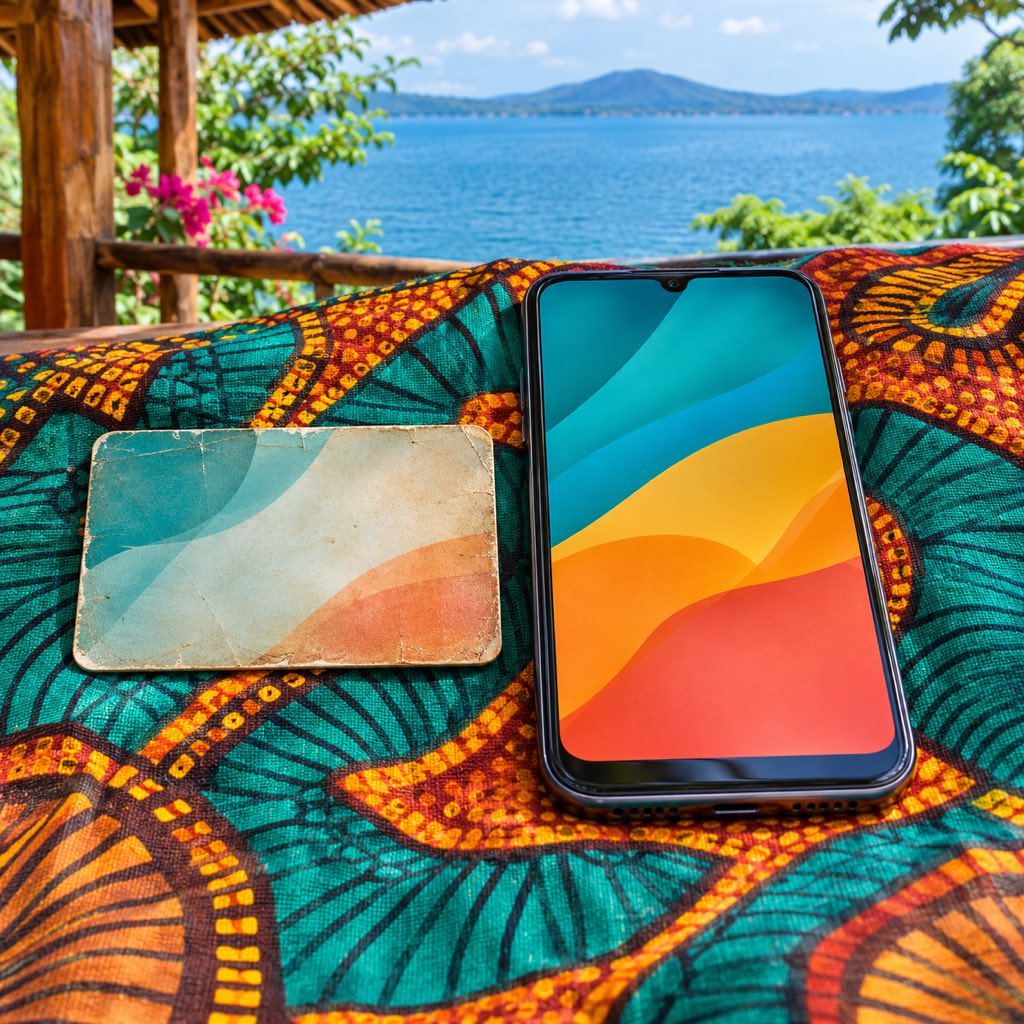
Malawi’s identity-wallet launch offers a specific service-design example: a digital credential can be introduced without withdrawing the physical document. UNDP records the launch of the Nzika Digital ID Wallet in Lilongwe on September 16, 2026. The useful question for service designers is how the mobile route fits into access to public services, rather than whether an application alone constitutes a complete transformation.
More than 22,000 Malawians had onboarded by launch day, according to UNDP. That is an onboarding baseline at a particular moment. It should not be presented as subsequent active use, repeat transactions or evidence that every registered person completed a public-service journey. Those would be different measures requiring their own evidence.
Credentials and the physical alternative
UNDP says the wallet supplements the physical national identity card. This is the central distinction in the launch: the digital channel accompanies an existing document. For an administration considering a comparable approach, retaining a physical route should be an explicit design decision, with its own instructions and support arrangements.
NRB’s initial credential list names digital national identity, birth and marriage certificates. Keep that list tied to its issuer and launch context. A list of credential types is not, by itself, evidence that every receiving organisation can accept every document. A service team should specify both what can be held and where it is intended to be used before promising a complete journey.
NRB lists distribution through the Android and iPhone app stores. Distribution describes how people can obtain the application; it does not establish the device access or practical readiness of a different country. Algerian designers should treat this as a deployment choice to assess, rather than assume that the same channel mix would reach all intended users.
Advertisement
The onboarding steps worth examining
Maravi Express reports that onboarding offers English or Chichewa. Language selection belongs in the service journey, alongside the document requirements. For any Algerian comparison, teams should define the languages and assistance they would need rather than importing Malawi’s options as a ready-made specification.
The same outlet’s instructions require a liveness check. That is a described onboarding step, not an independently demonstrated security outcome. A sensible evaluation would ask how instructions explain the check, what happens when it cannot be completed and how a person can seek help. These are evaluation questions, not reported features of Nzika.
Users can enter their national ID number or scan the code on their card, according to Maravi Express. The alternatives provide a concrete point for a usability review: compare completion of manual entry with completion of scanning. Do not assume either route is universally easier without observing the intended users.
The lesson for Algeria
The transferable idea is a service-access design to examine, not a measured claim about Algerian readiness. A local assessment should map the physical and digital routes together, identify what assistance would be necessary and distinguish account creation from successful service use.
An evaluation should also preserve the boundaries of the evidence. Launch-day onboarding is not ongoing participation; availability in an app store is not proof of universal access; a required check is not a published performance result. Keeping these distinctions visible would make a comparison useful without turning Malawi’s launch into an unsupported promise about outcomes elsewhere.
Frequently Asked Questions
Did the wallet replace the physical card?
No. UNDP says it supplements the physical national identity card. The physical and mobile routes should therefore be distinguished.
What does the onboarding figure measure?
UNDP reports more than 22,000 people onboarded by launch day. That figure does not establish subsequent active use.
Which credentials does the initial list include?
NRB names digital national identity, birth and marriage certificates. This is the initial list attributed to NRB, not a claim about every organisation’s acceptance.
Sources & Further Reading
🔗 Related Intelligence
African Digital Rights: Biometric Enrollment Concerns Across 49 Nations

Digital Wallets: Africa’s $36 Billion Boom and PayPal’s Continental Bet

Africa’s Digital Payments Reliability Crisis: 81 Billion Transactions, Fragile Rails

Stablecoins Go Mainstream in African Payments: The DRC Pilot and a Regulatory Wave