
🧭 Decision Radar
Relevance for Algeria
Medium
▾
Infrastructure Ready?
Partial
▾
Skills Available?
Partial
▾
Action Timeline
Monitor only
▾
Recommended readers: Algerian industrial CO₂ buyers, energy project developers, engineering teams, project investors
Decision Type
Educational
▾
Quick Take: Algerian readers should use this as a framework for questions about heat, electricity and industrial purchasing. No local project or durable carbon-removal outcome is established by these facts.
A development milestone with a specific job
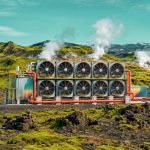
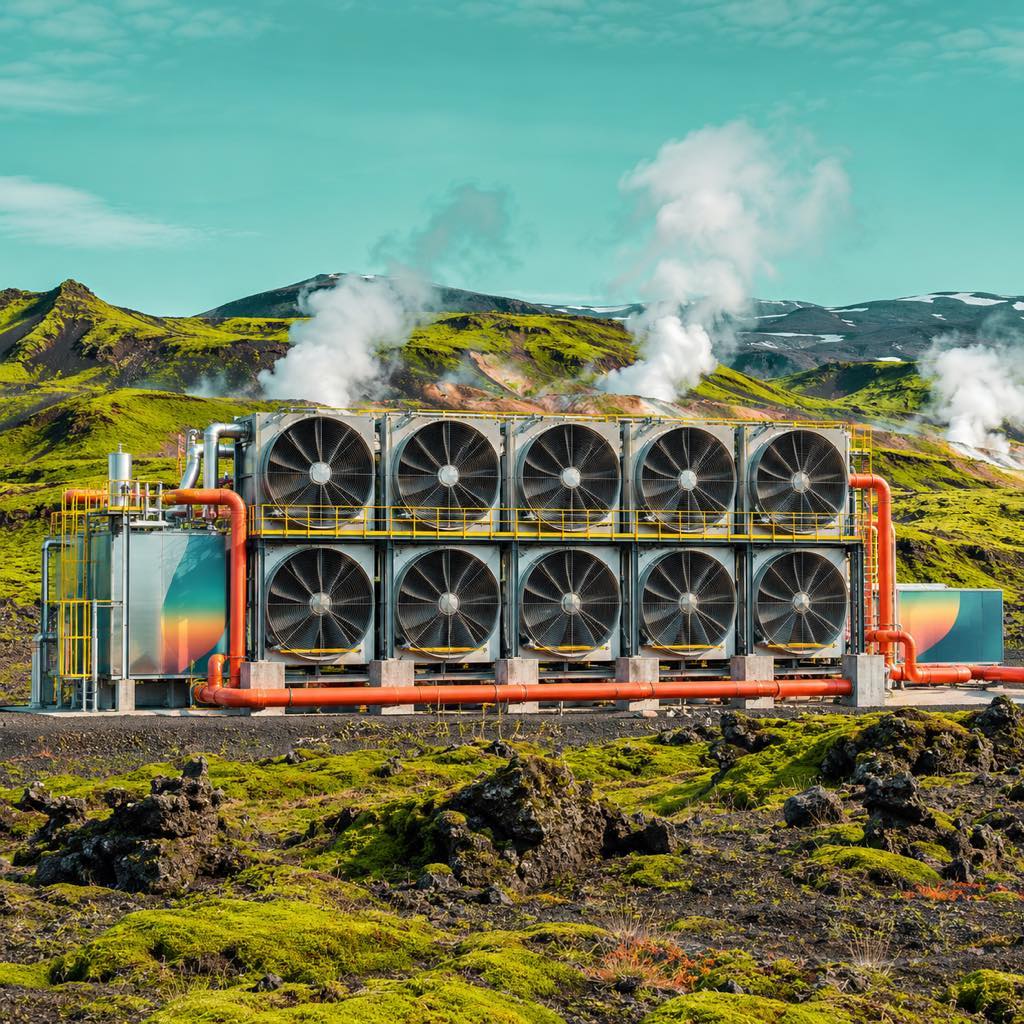
Skytree’s Iceland project offers a useful way to examine carbon capture through the work required before an industrial customer can buy its output. Invest International describes the hub as the first international deployment of Skytree’s Skypark concept and announced its €1 million development loan on October 6, 2026. The announcement concerns a development loan. Calling it a completed plant would erase the very stage that the financing is intended to support.
That distinction should guide the interpretation of the whole story. Development finance can be assessed against a development task: whether preparation becomes more concrete and whether outstanding commitments become clearer. It should not be assessed as though the announcement already supplied operating evidence. For a reader considering a similar business model, the useful question is what this funding is supposed to resolve before a larger investment decision, rather than how impressive the headline amount sounds.
Carbon Herald reports that the loan funds engineering, permitting and site preparation studies. These are specific preparatory activities, with different questions attached to each. A prospective partner should ask what engineering must demonstrate, what permissions remain to be obtained and what the site studies need to establish. Those are proposed diligence questions, not claims that the work has already been completed or that approval is assured.
The energy arrangement and the buyer belong in the same discussion
The Iceland project plans to use geothermal energy for both electricity and process heat, according to Carbon Herald. The word “plans” matters. The energy arrangement is part of the proposed project, and the announcement should not be rewritten as a measured operating result. It also does not provide a basis for adding an electricity price, a capture cost or an output figure.
For anyone studying replication, electricity and heat should therefore appear as separate questions in the investment memo. Would both be available at the proposed site? Under what conditions could a project rely on them? If a proposal can answer only the electricity question, the comparison with the Iceland design remains incomplete. This is a recommended method of examination, not a judgment about energy availability in Algeria or any other market.
The commercial structure is equally important. Carbon Herald describes Skyparks as bringing together a site and energy partner, capital providers and local CO₂ offtakers. This places the analysis across several commitments rather than inside a capture machine alone. A possible supplier must connect a site, an energy arrangement, financing and a buyer. A proposal that describes only the equipment would leave the rest of that structure unexplained.
For the prospective buyer, the relevant question becomes whether the supply arrangement fits an actual purchasing requirement. For a prospective investor, it becomes whether the parties’ commitments can be examined together. Neither question requires an invented market forecast. Both follow from the project structure described in the reporting and help distinguish an industrial proposition from a technology presentation.
Customer intent still needs a contractual destination
IO+ reports that the development funding also supports turning prospective customers’ letters of intent into binding contracts. That formulation preserves an important boundary: expressions of interest and binding purchases are different stages. The article cannot infer that every prospective customer has signed, that all sales have been secured or that revenue is already flowing. The proposed conversion is itself part of the development work.
Skypark customers would buy CO₂ through long-term contracts rather than purchase capture machines, according to IO+. This is a supply proposition for customers. Readers evaluating it should request the proposed purchasing terms: what is being supplied, how delivery would be specified and how responsibilities would be allocated. These are questions to ask before treating the model as transferable; no contract terms beyond the reported long-term structure are established here.
The timing deserves the same discipline. Invest International reports that Skytree expects the Iceland facility to become operational in 2028. That is an expectation, not a guaranteed commissioning date. A careful assessment should preserve the distinction between the development activities funded now and the operation expected later, rather than compressing them into a single achievement.
Advertisement
How Algerian project teams could use the comparison
1. Begin with a site-specific heat and electricity assessment
An Algerian project team considering a comparable supply hub should begin by asking how it would secure both energy inputs. It should not assume that an Icelandic design demonstrates local suitability. Request a description of the candidate site, the intended energy arrangements and the evidence still needed. Keep unresolved items visible instead of filling them with generic claims about renewable potential. The immediate output should be a question-led assessment that makes clear what could be tested and what remains unknown. This is a recommendation for appraisal, not evidence that an Algerian project exists.
2. Ask prospective buyers what they would actually contract for
Start the commercial discussion with the proposed purchase rather than an assumed appetite for carbon technology. Ask whether a prospective buyer would want a long-term CO₂ supply agreement and what conditions would make that agreement usable. Distinguish a conversation, a letter of intent and a binding commitment in the project record. Avoid presenting any of them as interchangeable. A local team could use the Skypark description to organize these questions without asserting local demand, naming an unverified customer or suggesting that the Iceland project has already resolved every sales issue.
3. Keep development evidence separate from environmental claims
An appraisal should give engineering studies, permits, site preparation and customer contracting their own milestones. It should also state which environmental outcomes would need separate evidence. Do not translate the proposed sale of captured CO₂ into an unsupported claim of permanent removal. Ask what evidence would be needed to support any proposed climate statement before using it in an investment case. The practical discipline is to evaluate the specific proposition in front of the team, preserving the distinction between a financing announcement, a future supply service and any environmental outcome someone might wish to claim.
A useful benchmark is a set of questions
The value of this case for Algeria is indirect. It offers a structure for examining whether a potential site, energy partner, investor and industrial buyer could form a coherent proposal. It does not establish an Algerian deployment, an available local heat source or a known local capture cost. A team can still learn from the structure while leaving those questions open.
The appropriate next step would be to define what evidence a local proposal would need before advancing. That means describing the intended service, identifying missing commitments and avoiding claims that go beyond the development stage. Read this way, the loan announcement is a prompt for disciplined project preparation. Its relevance depends on the questions it helps a reader ask, rather than on a promise that the same model will work everywhere.
Frequently Asked Questions
What does the loan fund?
It supports engineering, permitting and site preparation studies. The development funding also supports converting customer letters of intent into binding contracts.
Is the Iceland facility already operating?
Skytree expects operations in 2028. This is an expected future milestone, not proof of an operating facility.
Would customers buy capture machines?
The described model has customers buy CO₂ under long-term contracts. It places the customer relationship around supply rather than machine ownership.